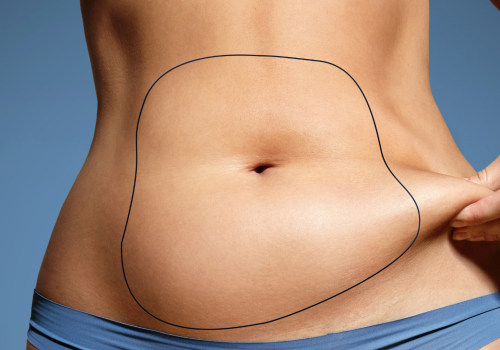
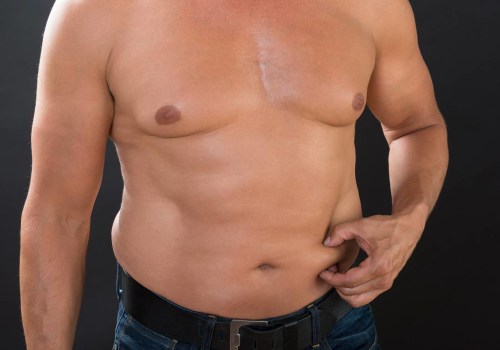
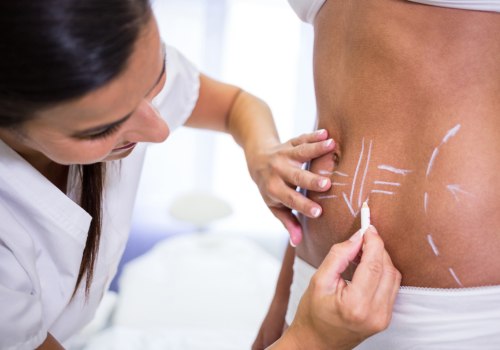
Liposuction in Glasgow is a popular cosmetic procedure designed to remove excess fat from specific areas of the body, helping individuals achieve a more contoured and aesthetically pleasing appearance. This surgical technique is not merely about weight loss; rather, it focuses on sculpting the body by targeting stubborn fat deposits that are resistant to diet and exercise. For many, liposuction in Glasgow represents a pathway to enhanced self-esteem and body confidence, particularly for those who have struggled with their weight for years. The Liposuction in Glasgow is a popular cosmetic procedure designed to remove excess fat from specific areas of the body, helping individuals achieve a more contoured and aesthetically pleasing appearance. This surgical technique is not merely about weight loss; rather, it focuses on sculpting the body by targeting stubborn fat deposits that are resistant to diet and exercise. For many, liposuction in Glasgow represents a pathway to enhanced self-esteem and body confidence, particularly for those who have struggled with their weight for years. The is a popular cosmetic procedure designed to remove excess fat from specific areas of the body, helping individuals achieve a more contoured and aesthetically pleasing appearance. This surgical technique is not merely about weight loss; rather, it focuses on sculpting the body by targeting stubborn fat deposits that are resistant to diet and exercise. For many, liposuction in Glasgow represents a pathway to enhanced self-esteem and body confidence, particularly for those who have struggled with their weight for years. The Liposuction in Glasgow is a popular cosmetic procedure designed to remove excess fat from specific areas of the body, helping individuals achieve a more contoured and aesthetically pleasing appearance. This surgical technique is not merely about weight loss; rather, it focuses on sculpting the body by targeting stubborn fat deposits that are resistant to diet and exercise. For many, liposuction in Glasgow represents a pathway to enhanced self-esteem and body confidence, particularly for those who have struggled with their weight for years. The liposuction in Glasgow procedure involves the use of a thin tube called a cannula, which is inserted through small incisions in the skin. The surgeon then uses this cannula to suction out fat from the targeted areas. Various techniques exist, including tumescent liposuction, where a solution is injected to facilitate fat removal, and Vaser liposuction, which employs ultrasound technology to break down fat cells more effectively. involves the use of a thin tube called a cannula, which is inserted through small incisions in the skin. The surgeon then uses this cannula to suction out fat from the targeted areas. Various techniques exist, including tumescent liposuction, where a solution is injected to facilitate fat removal, and Vaser liposuction, which employs ultrasound technology to break down fat cells more effectively.
Each method has its own set of advantages and is chosen based on the individual’s specific needs and health considerations.While liposuction can be an effective solution for many, it is essential to understand that it is not a one-size-fits-all approach. For individuals weighing 300 pounds or more, the complexities surrounding the procedure increase significantly. Factors such as overall health, body mass index (BMI), and the amount of fat that can be safely removed must be carefully evaluated. This makes it crucial for potential candidates to consult with qualified surgeons who can provide tailored advice and ensure that safety remains the top priority throughout the process.
Who is a Suitable Candidate for Liposuction?
Determining whether an individual is a suitable candidate for liposuction involves a comprehensive evaluation of various factors, including body mass index (BMI), overall health status, and lifestyle choices.Understanding these criteria is essential for anyone considering this procedure, especially those with significant weight concerns.
BMI Considerations
One of the primary metrics used to assess candidacy for liposuction is the BMI. This measurement helps gauge whether a person is within a healthy weight range. Generally, candidates with a BMI under 30 are considered ideal for liposuction, as they are more likely to achieve satisfactory results. However, individuals with a BMI between 30 and 35 may still be eligible, provided they have realistic expectations and are in good health.
Health Status
A thorough medical evaluation is crucial before undergoing liposuction.
Candidates should be in good overall health, free from chronic conditions such as diabetes or heart disease that could complicate the procedure or recovery. Additionally, individuals should not be smokers, as smoking can hinder healing and increase the risk of complications.
Lifestyle Factors
Beyond physical health, lifestyle choices play a significant role in determining candidacy for liposuction. Candidates should ideally maintain a stable weight for at least six months prior to the procedure. This stability indicates that the individual has adopted healthy eating habits and regular exercise routines, which are vital for long-term success post-surgery.Moreover, it is essential for candidates to have realistic expectations regarding the outcomes of liposuction.
This procedure is not a weight-loss solution but rather a body contouring method designed to remove stubborn fat deposits that resist diet and exercise.
Conclusion
In summary, suitable candidates for liposuction typically have a BMI under 30, are in good health without significant medical issues, and lead a lifestyle that supports weight management. Consulting with a qualified surgeon can provide personalized insights into whether liposuction is the right choice based on individual circumstances.
Liposuction Techniques: What You Need to Know
When considering liposuction, it is essential to understand the various techniques available, as each method has its unique advantages and implications, particularly for individuals with higher body weights. The two primary techniques are traditional liposuction and Vaser liposuction, each offering different approaches to fat removal.Traditional Liposuction
Traditional liposuction, often referred to as suction-assisted liposuction (SAL), involves the use of a cannula—a thin tube—that is inserted through small incisions in the skin. This method relies on a vacuum mechanism to suction out fat deposits from targeted areas of the body.While effective, traditional liposuction can lead to more trauma to surrounding tissues, resulting in increased bruising and swelling post-procedure.
Vaser Liposuction
In contrast, Vaser liposuction employs ultrasound technology to break down fat cells before they are removed. This technique uses sound waves to liquefy fat, making it easier to extract while preserving surrounding tissues. As a result, Vaser liposuction typically offers several benefits:- Minimally Invasive: The procedure is less invasive than traditional methods, leading to reduced recovery time.
- Less Bruising: Patients often experience less bruising and swelling due to the preservation of surrounding tissues.
- Smoother Results: The technique allows for more precise sculpting of the body contours.
Each method has its own set of risks and benefits that should be carefully weighed in consultation with a medical professional.
The Risks and Considerations for Heavier Individuals
When considering liposuction for individuals who weigh 300 pounds or more, it is crucial to understand the unique risks and complications that may arise. While liposuction can be an effective method for body contouring, heavier individuals face a range of challenges that necessitate careful evaluation and planning.One of the primary concerns is the potential for complications during and after the procedure. Heavier patients often have a higher risk of adverse events, including:- Infection: The risk of infection increases with larger incisions and the amount of fat removed. Proper post-operative care is essential to mitigate this risk.
- Fluid Imbalance: High-volume liposuction can lead to significant fluid shifts in the body, which may result in complications such as dehydration or fluid overload.
- Blood Clots: Individuals with higher body weights are at an increased risk of developing blood clots, particularly in the legs, which can lead to serious conditions like deep vein thrombosis (DVT).
- Anesthesia Risks: Heavier individuals may face additional risks associated with anesthesia, including respiratory complications and prolonged recovery times.
For those weighing 300 pounds or more, the maximum safe volume of fat removal is typically around 5 to 10 pounds. This limitation means that while liposuction can help contour specific areas, it is not a solution for significant weight loss.A comprehensive medical evaluation is essential before proceeding with liposuction. Surgeons should assess not only the patient's physical health but also their psychological readiness for surgery. Factors such as existing health conditions, lifestyle habits, and expectations from the procedure must be thoroughly discussed.In conclusion, while liposuction can offer benefits for heavier individuals seeking body contouring, it is imperative to approach this option with caution.
A thorough understanding of the risks involved and a detailed consultation with a qualified surgeon will help ensure that patients make informed decisions about their health and aesthetic goals.
What to Expect During the Liposuction Procedure
Undergoing liposuction can be a transformative experience, but understanding what to expect during the procedure is crucial for setting realistic expectations. The process typically unfolds in several key stages, from pre-operative preparations to post-operative care.Pre-Operative Preparations
Before the day of the surgery, patients will have a comprehensive consultation with their surgeon. This meeting is essential for discussing medical history, current medications, and any allergies. The surgeon will also perform a physical examination to assess the areas targeted for fat removal.Patients may be advised to:
- Avoid certain medications, such as blood thinners, for a specified period before the procedure.
- Stop smoking to enhance healing and reduce complications.
- Follow a specific diet to optimise their health prior to surgery.
The Liposuction Procedure
The actual liposuction procedure generally takes between one to three hours, depending on the extent of fat removal. Here’s what happens:- Anesthesia: Patients are given either local or general anesthesia based on the volume of fat being removed and their comfort level.
- Incisions: Small incisions are made in inconspicuous areas of the body. These incisions are typically less than half an inch long.
- Fat Removal: A thin tube called a cannula is inserted through the incisions. The surgeon uses this tube to suction out excess fat from targeted areas.
Techniques such as tumescent liposuction or Vaser liposuction may be employed to enhance results and minimise discomfort.
- Closing Incisions: Once the desired amount of fat has been removed, the incisions are closed with sutures or adhesive strips.
Post-Operative Care
The recovery phase is just as important as the procedure itself. After surgery, patients can expect:- Monitoring: Patients will be monitored in a recovery area until they are stable enough to go home.
- Pain Management: Mild discomfort is common, and pain relief medications will be prescribed as needed.
- Compression Garments: Wearing compression garments is crucial for reducing swelling and helping the skin conform to its new contours.
- Follow-Up Appointments: Regular follow-ups with the surgeon will ensure proper healing and address any concerns that may arise.
Post-Operative Care and Recovery Process
After undergoing liposuction, the recovery process is a crucial phase that significantly impacts the overall results of the procedure. Understanding what to expect during this time can help patients prepare mentally and physically for their journey towards healing.Immediately following the surgery, patients may experience swelling, bruising, and discomfort in the treated areas. These symptoms are normal and typically subside within a few days.However, it is essential to follow the surgeon's post-operative care instructions closely to ensure a smooth recovery.
Initial Recovery Phase
In the first week after liposuction, patients are advised to:- Rest: Adequate rest is vital. Patients should avoid strenuous activities and heavy lifting for at least two weeks.
- Wear Compression Garments: These garments help reduce swelling and support the healing tissues. They should be worn as directed by the surgeon.
- Manage Pain: Pain relief medications prescribed by the surgeon should be taken as needed to manage discomfort.
Long-Term Recovery Considerations
The complete healing process can take several weeks to months, depending on individual factors such as overall health, age, and the extent of the procedure. During this time, patients should:- Stay Hydrated: Drinking plenty of water aids in recovery and helps reduce swelling.
- Follow a Healthy Diet: A balanced diet rich in vitamins and minerals supports healing.
Patients should focus on consuming lean proteins, fruits, vegetables, and whole grains.
- Avoid Smoking: Smoking can hinder blood flow and delay healing. It is advisable to refrain from smoking during the recovery period.
Alternatives to Liposuction for Weight Loss
For individuals who find themselves weighing 300 pounds or more, liposuction may not always be the most suitable option for achieving weight loss and body contouring. Fortunately, there are several effective alternatives that can lead to significant weight loss and improved health outcomes.Below, we explore some of these alternatives in detail.
Bariatric Surgery
Bariatric surgery is a popular option for those struggling with obesity, particularly for individuals with a BMI over 40 or those with a BMI over 35 accompanied by obesity-related health conditions. This surgical intervention aims to facilitate weight loss by altering the digestive system. There are several types of bariatric surgery:Bariatric surgery is a popular option for those struggling with obesity, particularly for individuals with a BMI over 40 or those with a BMI over 35 accompanied by obesity-related health conditions. This surgical intervention aims to facilitate weight loss by altering the digestive system. There are several types of bariatric surgery:- Gastric Bypass: This procedure involves creating a small pouch from the stomach and connecting it directly to the small intestine, which limits food intake and reduces calorie absorption.
- Gastric Sleeve: In this surgery, a large portion of the stomach is removed, resulting in a smaller stomach that holds less food and produces fewer hunger hormones.
- Adjustable Gastric Banding: This involves placing an inflatable band around the upper part of the stomach to create a small pouch that limits food intake.
Lifestyle Changes
In addition to surgical options, lifestyle changes play a crucial role in weight management.A comprehensive approach that includes dietary modifications, physical activity, and behavioural therapy can lead to sustainable weight loss. Here are some key components:
- Nutrition: Adopting a balanced diet rich in whole foods such as fruits, vegetables, lean proteins, and whole grains can help reduce caloric intake while providing essential nutrients.
- Regular Exercise: Engaging in regular physical activity not only aids in weight loss but also improves overall health. Aim for at least 150 minutes of moderate-intensity exercise each week.
- Behavioural Therapy: Working with a therapist or joining support groups can help address emotional eating habits and provide motivation and accountability.
Frequently Asked Questions About Liposuction for Heavier Individuals
When considering liposuction for individuals weighing 300 pounds or more, several questions often arise.Addressing these concerns is crucial for making informed decisions about the procedure. Below are some frequently asked questions that can help clarify common misconceptions and provide valuable insights.
1.Is liposuction safe for individuals over 300 pounds?
While there is no strict weight limit for liposuction, safety is paramount. Heavier individuals may face increased risks during surgery, including complications related to anaesthesia and recovery. It is essential to consult with a qualified surgeon who can assess your overall health and determine if you are a suitable candidate for the procedure.2.How much fat can be safely removed during liposuction?
The maximum amount of fat that can be safely removed in an outpatient setting is typically around 5 litres, which equates to approximately 10 pounds.For those weighing 300 pounds or more, this amount may seem minimal compared to their overall weight. Therefore, liposuction should not be viewed as a primary weight-loss solution but rather as a body contouring option.
3.What are the alternatives to liposuction for heavier individuals?
- Bariatric Surgery: This surgical option focuses on weight loss through altering the digestive system, making it a more effective long-term solution for those with significant obesity.
- Diet and Exercise: A structured programme involving dietary changes and regular physical activity can lead to sustainable weight loss and improve overall health.
- Non-Surgical Treatments: Options such as CoolSculpting or radiofrequency treatments may help reduce fat without the need for invasive surgery.
4.What should I expect during the recovery process?
Recovery from liposuction varies by individual but generally involves swelling, bruising, and discomfort in the treated areas. Patients are usually advised to wear compression garments to aid healing and minimise swelling. It is crucial to follow post-operative care instructions provided by your surgeon to ensure optimal recovery.5.Can liposuction help with specific problem areas?
Liposuction is effective in targeting specific areas of stubborn fat, such as the abdomen, thighs, and arms.However, it is not a solution for overall weight loss or obesity management. For individuals over 300 pounds, focusing on comprehensive lifestyle changes may yield better results in conjunction with any cosmetic procedures.In conclusion, while liposuction can be an option for heavier individuals, it is essential to approach it with realistic expectations and a thorough understanding of the associated risks and benefits. Consulting with a qualified professional will provide personalised guidance tailored to your unique circumstances.
Conclusion: Making Informed Decisions About Liposuction
In conclusion, the journey towards understanding liposuction for individuals weighing 300 pounds or more is complex and multifaceted. Throughout this discussion, we have explored various critical aspects that must be considered before making a decision regarding this procedure.Firstly, it is essential to acknowledge that while there is no strict weight limit for undergoing liposuction, the safety and effectiveness of the procedure can vary significantly based on individual circumstances.Factors such as overall health, body mass index (BMI), and the specific areas of fat accumulation play a crucial role in determining whether liposuction is a viable option.Moreover, we have highlighted the importance of advanced techniques like Vaser liposuction, which can offer benefits such as reduced recovery time and less trauma to surrounding tissues. However, even with these advancements, the amount of fat that can be safely removed in a single session remains limited. Studies indicate that typically only 5 to 10 pounds of fat can be extracted safely, which may not meet the expectations of those seeking significant weight loss.It is also vital to consider the potential risks associated with high-volume liposuction, particularly for individuals with a BMI over 50. The possibility of complications increases with higher volumes of fat removal, making it imperative to consult with qualified professionals who can provide tailored advice based on comprehensive evaluations.Ultimately, while liposuction may seem like an appealing solution for body contouring, it should not be viewed as a substitute for sustainable weight loss methods.
A holistic approach that includes lifestyle changes, such as improved diet and regular exercise, is essential for long-term success.In summary, making informed decisions about liposuction requires careful consideration and professional guidance. Consulting with experienced surgeons who prioritise patient safety and personalised care will ensure that individuals are well-informed about their options and can achieve their body goals safely and effectively.