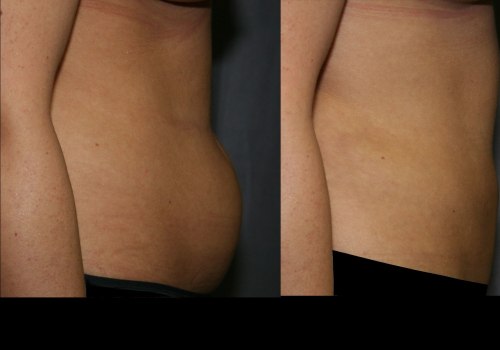
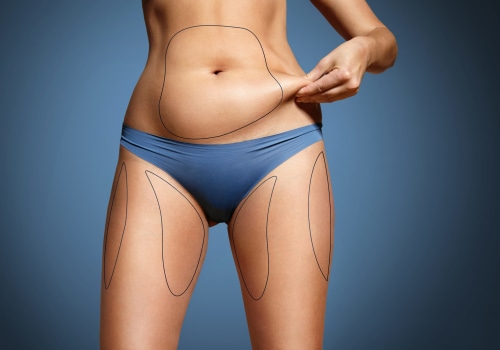
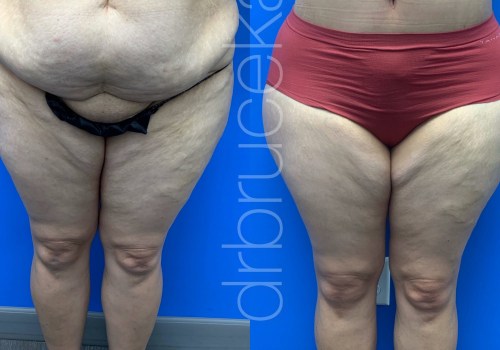
Liposuction is a popular cosmetic procedure that has gained significant attention over the years, often touted as a solution for stubborn fat deposits that resist diet and exercise. However, despite its widespread use, many misconceptions surround this treatment, leading to unrealistic expectations among potential patients. Understanding what liposuction truly entails is crucial for anyone considering this procedure.At its core, liposuction is designed to sculpt and contour the body by removing localized fat from specific areas. This can include regions such as the abdomen, thighs, buttocks, arms, and even the neck.
It is essential to note that liposuction is not a weight-loss method; rather, it serves as a tool for body shaping. The procedure works by using a suction technique to extract fat cells from beneath the skin, resulting in a more defined silhouette.One of the most common misconceptions is that liposuction can lead to significant weight loss. In reality, the amount of fat that can be safely removed during a single session typically ranges from six to eight pounds. This limitation is in place to ensure patient safety and minimise the risk of complications.
Therefore, individuals seeking substantial weight loss should consider other options in conjunction with or prior to liposuction.As we delve deeper into the intricacies of liposuction throughout this article, it will become clear that while it can be an effective solution for certain individuals, it is not a substitute for a healthy lifestyle. Understanding the basics of liposuction will empower potential patients to make informed decisions about their bodies and expectations from this transformative procedure.
How Liposuction Works
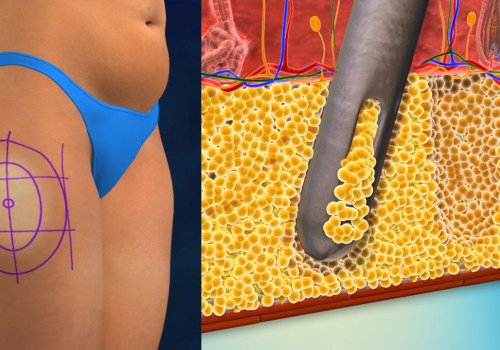
Liposuction is a surgical procedure designed to remove excess fat from specific areas of the body, helping to sculpt and contour the physique. Understanding how liposuction works can alleviate concerns and clarify expectations for those considering this treatment.The procedure typically begins with a consultation, where the surgeon evaluates the patient’s health, discusses their goals, and determines the most suitable technique. There are several methods of liposuction, each with its unique approach:- Traditional Liposuction: This method involves making small incisions in the skin through which a thin tube called a cannula is inserted.
The cannula is then used to suction out fat deposits. This technique is effective for larger areas and can remove significant amounts of fat.
- Ultrasound-Assisted Liposuction (UAL): UAL employs ultrasonic waves to liquefy fat cells before they are removed. This technique is particularly beneficial for treating denser fat deposits and can lead to less trauma in surrounding tissues.
- Laser Liposuction:Laser Liposuction: Using laser energy, this method melts fat cells, making them easier to remove. The heat from the laser also promotes skin tightening, which can enhance the overall results.
The surgeon will then target specific areas such as the abdomen, thighs, buttocks, arms, or neck. The choice of area often depends on where stubborn fat accumulates despite diet and exercise.The actual fat removal process involves creating a vacuum effect that draws out the liquefied fat through the cannula. Surgeons carefully sculpt the body by removing fat in a controlled manner, ensuring a smooth and even appearance. After the desired amount of fat is extracted, incisions are closed with sutures or adhesive strips.Post-procedure, patients may experience swelling and bruising as part of the healing process.
Compression garments are often recommended to support recovery and help maintain the new body shape. It’s essential for individuals to follow their surgeon's aftercare instructions to ensure optimal results.In summary, liposuction is a sophisticated procedure that requires skill and precision. By understanding how it works—from the techniques used to the areas treated—patients can make informed decisions about their body contouring options.
Types of Liposuction Techniques
Liposuction has evolved significantly over the years, leading to the development of various techniques tailored to meet different patient needs and body types. Understanding these techniques is crucial for anyone considering this procedure, as each method offers unique advantages and potential drawbacks.Traditional Liposuction
Traditional liposuction, often referred to as tumescent liposuction, is the most widely recognised technique.Traditional liposuction, often referred to as tumescent liposuction, is the most widely recognised technique.This method involves the injection of a saline solution mixed with anaesthetic and epinephrine into the targeted fat areas. This solution helps to numb the area and constrict blood vessels, reducing bleeding during the procedure.
- Advantages: Traditional liposuction is effective for removing larger volumes of fat and is suitable for various body areas, including the abdomen, thighs, and arms.
- Disadvantages: Recovery can be longer compared to newer techniques, and there may be more swelling and bruising post-operation.
Ultrasound-Assisted Liposuction (UAL)
Ultrasound-assisted liposuction employs ultrasonic waves to liquefy fat cells before they are suctioned out. This technique is particularly beneficial for treating areas with denser fat deposits that are resistant to traditional methods.- Advantages: UAL can be less traumatic to surrounding tissues, potentially leading to quicker recovery times. It is especially effective for areas like the back and male breasts.
- Disadvantages: The use of ultrasound can increase the risk of thermal injury to surrounding tissues if not performed correctly.
Laser Liposuction
Laser liposuction utilises laser energy to melt fat cells before removal.This technique is often marketed as a less invasive option with minimal downtime.
- Advantages: The laser energy can stimulate collagen production, which may improve skin tightening in the treated area. Additionally, recovery tends to be quicker than traditional methods.
- Disadvantages: The amount of fat that can be removed in one session may be limited compared to traditional liposuction, making it less suitable for patients needing significant fat reduction.
Who is a Suitable Candidate for Liposuction?
Determining whether you are a suitable candidate for liposuction involves several factors, including your overall health, body type, and expectations regarding the procedure. Understanding these criteria can help you make an informed decision about whether this cosmetic surgery is right for you.1.Body Type and Fat Distribution
Ideal candidates for liposuction typically have specific areas of stubborn fat that are resistant to diet and exercise.
This procedure is particularly effective for individuals who are close to their target weight but struggle with localized fat deposits. Common areas for treatment include:
- Abdomen
- Thighs
- Hips
- Arms
- Back
- Chin and neck
2.Health Status
Your overall health plays a crucial role in determining your candidacy for liposuction. Candidates should:
- Be in good physical health without any serious medical conditions that could complicate surgery or recovery.
- Have realistic expectations about the outcomes of the procedure.
- Avoid smoking, as it can hinder healing and increase the risk of complications.
3.Realistic Expectations
Having realistic expectations is vital for anyone considering liposuction. While the procedure can significantly improve body contours, it is not a miracle cure for weight issues or an alternative to a healthy lifestyle.
Candidates should understand that:
- Liposuction results vary from person to person based on individual body types and fat distribution.
- The best results are achieved when combined with a balanced diet and regular exercise.
- The procedure may not eliminate cellulite or stretch marks.
Liposuction vs. Weight Loss: Key Differences
When considering body transformation, many individuals often confuse liposuction with traditional weight loss methods. While both aim to improve body aesthetics, they serve fundamentally different purposes and are suited for different goals.Liposuction
is primarily a cosmetic procedure designed to remove stubborn fat deposits that are resistant to diet and exercise.
It is not intended as a weight loss solution. In fact, the amount of fat that can be safely removed during a single liposuction session typically ranges from 1 to 2 pounds per area, with a maximum limit of around 6 to 8 pounds overall. This makes it clear that liposuction is more about body contouring than significant weight reduction.On the other hand, traditional weight loss methods focus on reducing overall body mass through lifestyle changes such as diet and exercise. These approaches aim to create a caloric deficit, leading to fat loss throughout the entire body rather than targeting specific areas.
Weight loss can be achieved through:
- Dietary Changes: Adopting a balanced diet rich in whole foods while reducing processed foods can lead to sustainable weight loss.
- Regular Exercise: Engaging in physical activity not only burns calories but also builds muscle, which can enhance metabolism.
- Behavioural Modifications: Developing healthier habits and addressing emotional eating can significantly impact weight management.
Understanding these differences can help individuals make informed decisions about their body transformation journey.
Potential Risks and Complications of Liposuction
Liposuction, while a popular cosmetic procedure for body contouring, is not without its potential risks and complications. Understanding these risks is crucial for anyone considering the procedure, as it allows for informed decision-making and realistic expectations.Common Risks Associated with Liposuction
- Infection: As with any surgical procedure, there is a risk of infection at the incision sites. Proper aftercare and adherence to post-operative instructions can help mitigate this risk.
- Bleeding: Some bleeding is expected post-surgery; however, excessive bleeding can lead to complications and may require further medical intervention.
- Fluid Accumulation: Seromas, or pockets of fluid, can develop under the skin after liposuction. These may need to be drained if they become problematic.
- Nerve Damage: Although rare, nerve damage can occur during the procedure, potentially leading to numbness or changes in sensation in the treated areas.
- Scarring: While surgeons aim to make incisions in inconspicuous areas, scarring is a possibility.
The extent of scarring can vary based on individual healing processes.
Serious Complications
- Deep Vein Thrombosis (DVT): This condition occurs when blood clots form in deep veins, often in the legs. DVT can lead to serious complications if a clot travels to the lungs (pulmonary embolism).
- Fat Embolism: In rare cases, fat particles can enter the bloodstream and travel to the lungs or other organs, causing serious health issues.
- Anesthesia Risks: General anesthesia carries its own set of risks, including allergic reactions and respiratory complications. Patients should discuss these risks with their anesthesiologist prior to surgery.
Side Effects of Liposuction
Aside from the more severe risks and complications, patients may also experience side effects following liposuction. These can include:
- Soreness and Swelling: It is common to experience soreness and swelling in the treated areas as part of the healing process.
- Bruising: Bruising may occur due to the surgical technique used and typically resolves within a few weeks.
- Changes in Skin Sensation: Some patients report temporary changes in skin sensation, such as tingling or numbness, which usually resolve over time.
Consulting with a qualified plastic surgeon who can provide detailed information tailored to individual circumstances is vital for ensuring a safe and successful outcome.
Realistic Expectations: What Liposuction Can Achieve
When considering liposuction, it is crucial for patients to have a clear understanding of what the procedure can realistically achieve. While liposuction is an effective method for removing stubborn fat deposits, it is not a miracle solution for weight loss or a substitute for a healthy lifestyle. Setting realistic expectations is essential to ensure satisfaction with the results.One of the primary goals of liposuction is to enhance body contours rather than to achieve significant weight loss. Patients should expect to see a reduction in fat in specific areas, leading to improved proportions and a more sculpted appearance.However, the amount of fat that can be safely removed during a single session typically ranges from 1 to 2 pounds per area, with some studies suggesting that up to 11 pounds may be removed in total, depending on individual circumstances.
Understanding Achievable Outcomes
It is important to recognise that liposuction results vary significantly among individuals. Factors such as body type, skin elasticity, and the specific areas being treated all play a role in determining the final outcome. For instance:- Body Type: Individuals with a higher body mass index (BMI) may experience different results compared to those with a lower BMI.
- Skin Elasticity: Patients with good skin elasticity may find that their skin conforms better to their new body shape post-procedure.
- Treatment Areas: Some areas of the body respond better to liposuction than others; for example, the abdomen and thighs are common targets.
To maintain the desired results, patients should consider:
- Adopting a Balanced Diet: A nutritious diet rich in fruits, vegetables, lean proteins, and whole grains can help prevent weight gain.
- Regular Exercise: Engaging in regular physical activity not only helps maintain weight but also promotes overall health and well-being.
- Avoiding Yo-Yo Dieting: Fluctuating weight can lead to changes in body shape and may diminish the results of liposuction.
Frequently Asked Questions About Liposuction
When considering liposuction, potential patients often have numerous questions and concerns. Addressing these queries is essential for making informed decisions about the procedure. Below are some of the most frequently asked questions regarding liposuction.What is liposuction?
Liposuction is a cosmetic surgical procedure designed to remove excess fat from specific areas of the body.It is not a weight-loss solution but rather a method for contouring and sculpting the body by targeting stubborn fat deposits that do not respond to diet and exercise.
Who is a good candidate for liposuction?
Ideal candidates for liposuction are individuals who are at or near their target weight but struggle with localized fat deposits. Candidates should be in good overall health, have realistic expectations, and be committed to maintaining a healthy lifestyle post-procedure.What areas can be treated with liposuction?
- Abdomen
- Thighs
- Hips
- Arms
- Back
- Chin and neck
- Knees
How much fat can be removed during liposuction?
The amount of fat that can be safely removed during a single liposuction session typically ranges from 5 to 11 pounds, depending on the individual’s body type and the areas being treated. Exceeding this limit can increase the risk of complications.What are the risks associated with liposuction?
As with any surgical procedure, liposuction carries certain risks, including:- Infection
- Scarring
- Fluid accumulation
- Nerve damage
- Uneven contours or asymmetry
What is the recovery process like?
The recovery period varies by individual but generally involves swelling, bruising, and discomfort for several weeks. Most patients can return to light activities within a few days but should avoid strenuous exercise for at least four to six weeks.Will I have visible scars after liposuction?
Liposuction incisions are typically small and strategically placed in inconspicuous areas, which helps minimise visible scarring.However, individual healing processes vary, and some patients may experience more noticeable scars than others.If you have further questions or concerns about liposuction, it is advisable to consult with a qualified plastic surgeon who can provide personalised information based on your unique situation.
Conclusion: Making an Informed Decision About Liposuction
In conclusion, the journey towards considering liposuction is one that requires careful thought and thorough understanding. As we have explored throughout this article, liposuction is not merely a weight-loss solution; rather, it serves as a powerful tool for body contouring, targeting stubborn fat deposits that resist diet and exercise. It is essential to recognise that while liposuction can enhance your body shape, it should not be viewed as a substitute for a healthy lifestyle.Before making a decision, potential candidates should take the time to reflect on several key points:- Realistic Expectations: Understand the limitations of liposuction. It is designed to sculpt and refine your body rather than serve as a primary method for weight loss.
- Consultation with Professionals: Engaging with a board-certified plastic surgeon is crucial.
They can provide personalised advice based on your unique body type and health history.
- Understanding Risks: Like any surgical procedure, liposuction carries risks. Being informed about potential complications and recovery times will help you make a more educated choice.
- Post-Procedure Commitment: Successful outcomes often depend on maintaining a healthy lifestyle post-surgery. Consider how you will integrate exercise and nutrition into your routine after the procedure.
By conducting thorough research and consulting with qualified professionals, you can ensure that you are making the best decision for your body and overall well-being. Remember, achieving your desired body shape is a journey that involves both physical and emotional considerations, and taking the time to understand all aspects of liposuction will empower you to move forward with confidence.