Liposuction is a popular cosmetic procedure designed to remove stubborn fat deposits from various areas of the body. It is not merely a weight loss solution; rather, it is a body contouring technique that targets specific regions where fat tends to accumulate despite diet and exercise efforts. This procedure can help individuals achieve a more sculpted appearance, enhancing their overall body shape and boosting self-confidence.The liposuction procedure involves the use of a thin tube called a cannula, which is inserted through small incisions in the skin. The surgeon then uses this cannula to suction out excess fat from the targeted areas.
Common sites for liposuction include the abdomen, thighs, buttocks, arms, and neck. The technique can vary depending on the specific needs of the patient and the areas being treated, with options such as tumescent liposuction, ultrasound-assisted liposuction, and laser-assisted liposuction available.Understanding how liposuction works is crucial for anyone considering this procedure. It is essential to have realistic expectations about the outcomes and to recognise that while liposuction can effectively remove fat cells, it does not prevent future weight gain or replace healthy lifestyle choices. Therefore, maintaining a balanced diet and regular exercise post-procedure is vital for sustaining results.As we delve deeper into the topic of liposuction, we will address common misconceptions surrounding this procedure, clarify its benefits and limitations, and provide insights into what potential candidates should consider before undergoing treatment.
By demystifying liposuction, we aim to empower individuals with knowledge that can lead to informed decisions about their body and health.
Common Misconceptions About Liposuction
Liposuction is often surrounded by a cloud of myths and misconceptions that can lead to misunderstandings about the procedure. To help clarify these issues, we will explore some of the most common myths associated with liposuction and provide factual information to debunk them.- Liposuction is a weight loss solution. Many people mistakenly believe that liposuction is an effective method for significant weight loss. In reality, it is designed for body contouring and is most effective for individuals who are already close to their target weight but struggle with stubborn fat deposits. It should not be viewed as a substitute for a healthy diet and exercise.
- The fat will return after the procedure. A prevalent myth is that the fat removed during liposuction will inevitably return.
While it is true that new fat can accumulate in other areas if a person does not maintain a stable weight, the fat cells that are removed during the procedure do not regenerate. Therefore, maintaining a healthy lifestyle post-surgery is crucial for long-lasting results.
- Liposuction can eliminate cellulite. Many individuals seek liposuction with the hope of reducing the appearance of cellulite. However, liposuction is not an effective treatment for cellulite and may even exacerbate its visibility due to changes in skin texture after fat removal.
- Liposuction is only for women. This misconception overlooks the fact that men can also benefit from liposuction, particularly in areas such as the abdomen and love handles. The procedure is suitable for anyone, regardless of gender, who has localized fat deposits they wish to address.
- Liposuction is only for specific body parts. While many associate liposuction with areas like the abdomen or thighs, it can also be performed on various parts of the body, including the arms, back, and even the face and neck.
This versatility allows for comprehensive body contouring tailored to individual needs.
- Only young people can undergo liposuction. Age should not be a barrier to considering liposuction. As long as individuals are in good health and have realistic expectations, people in their 60s or older can safely undergo this procedure. However, skin elasticity may affect results, making it essential to consult with a qualified surgeon.
- Liposuction is an extremely painful procedure. While some discomfort during recovery is normal, many patients report that liposuction is less painful than anticipated. Modern techniques and anaesthesia options have significantly improved patient comfort during and after the procedure.
- Liposuction is only for overweight individuals. This myth suggests that only those with higher body weights can benefit from liposuction.
In fact, it is most effective for individuals who are near their ideal weight but have specific areas of fat that resist diet and exercise efforts.
- Liposuction is purely cosmetic. Although primarily considered a cosmetic procedure, liposuction can also provide health benefits by removing excess fat that may contribute to discomfort or health issues. For some patients, it can improve mobility and overall quality of life.
- Liposuction is dangerous. Like any surgical procedure, there are risks involved with liposuction; however, when performed by a qualified and experienced plastic surgeon, these risks are minimal. It’s essential to choose a board-certified surgeon to ensure safety and optimal results. Like any surgical procedure, there are risks involved with liposuction; however, when performed by a qualified and experienced plastic surgeon, these risks are minimal. It’s essential to choose a board-certified surgeon to ensure safety and optimal results.
Who is an Ideal Candidate for Liposuction?
Determining whether you are an ideal candidate for liposuction involves several factors, including your overall health, body weight, and specific areas of fat accumulation.Understanding these criteria can help you assess your eligibility and set realistic expectations for the procedure.
Health Considerations
Before undergoing liposuction, it is crucial to be in good overall health. This means:
- You should not have any serious medical conditions that could complicate surgery, such as heart disease, diabetes, or blood clotting disorders.
- Avoiding smoking is essential, as it can hinder the healing process and increase the risk of complications.
- It is advisable to discuss any medications you are taking with your surgeon, as some may need to be adjusted prior to the procedure.
Body Weight Criteria
The ideal candidate for liposuction is typically someone who is close to their target body weight. Most surgeons recommend that patients be within 25% of their ideal weight. This ensures that:
- The procedure can effectively target localized fat deposits rather than being used as a primary weight loss method.
- Your skin has enough elasticity to adapt to the new contours after fat removal.
Specific Areas of Fat Accumulation
Liposuction is most effective for individuals who have stubborn fat deposits in specific areas that are resistant to diet and exercise.
Common areas include:
- The abdomen
- Thighs
- Arms
- Back
- Love handles
- Chin and neck
Age Considerations
While age itself is not a disqualifying factor, candidates should have good skin elasticity. Older individuals may still qualify for liposuction if their skin can adequately tighten after fat removal. It’s important to have realistic expectations regarding the results based on your age and skin condition.
Conclusion
If you believe you meet these criteria, consulting with a board-certified plastic surgeon can provide further insight into your suitability for liposuction. They will evaluate your health history, discuss your goals, and help you understand what to expect from the procedure.
The Liposuction Procedure: What to Expect
Understanding the liposuction procedure is crucial for anyone considering this transformative surgery.The process involves several key steps, from the initial consultation to the recovery phase, each designed to ensure safety and effectiveness.
1.Initial Consultation
- During your first visit, you will meet with a qualified plastic surgeon who will assess your overall health and discuss your goals. This is an opportunity to ask questions and express any concerns you may have.
- Your surgeon will evaluate the areas of fat you wish to target and determine if you are a suitable candidate for liposuction.
- They will also explain the different techniques available, such as tumescent liposuction or ultrasound-assisted liposuction, allowing you to make an informed decision.
2.Pre-Operative Preparations
- Once you decide to proceed, your surgeon will provide specific instructions on how to prepare for the surgery. This may include avoiding certain medications, smoking cessation, and dietary adjustments.
- A thorough medical evaluation may be conducted to ensure that you are in good health and can safely undergo the procedure.
3.The Day of Surgery
- Liposuction is typically performed in an outpatient setting under local or general anaesthesia, depending on the extent of the procedure.
- Your surgeon will mark the areas where fat will be removed and may take photographs for your medical records.
- The actual procedure involves making small incisions in the targeted areas through which a thin tube called a cannula is inserted. The cannula is used to suction out excess fat deposits.
4.Post-Operative Care and Recovery
- After the procedure, you will be monitored in a recovery area before being discharged.
It’s essential to have someone available to drive you home.
- You may experience swelling, bruising, and discomfort in the treated areas, which can be managed with prescribed pain medication.
- Your surgeon will provide detailed aftercare instructions, including when to resume normal activities and any follow-up appointments needed to monitor your healing process.
Liposuction Results: What Can You Achieve?
Liposuction is often viewed as a transformative procedure, capable of reshaping the body and enhancing self-esteem. However, understanding the results and what can realistically be achieved is crucial for anyone considering this surgery.While many patients experience significant improvements in their body contours, it is essential to have a clear understanding of the expected outcomes.
Realistic Expectations
Before undergoing liposuction, patients should have realistic expectations regarding the results. Liposuction is not a weight loss solution; rather, it is designed to target specific areas of stubborn fat that are resistant to diet and exercise. The ideal candidates are those who are close to their target weight but struggle with localized fat deposits.Patients can expect to see a noticeable reduction in fat in the treated areas, leading to improved body proportions. However, the degree of change varies from person to person and depends on several factors:
- Body Type: Individual anatomy plays a significant role in how fat is distributed and removed.
Some may see more dramatic changes than others.
- Amount of Fat Removed: The volume of fat that can be safely removed during a single procedure typically ranges from three to four litres. Removing more than this can increase risks and complications.
- Skin Elasticity: The condition of your skin before surgery affects how well it will conform to your new body shape post-procedure. Patients with good skin elasticity often achieve smoother results.
- Post-Operative Care: Following the surgeon's post-operative instructions, including wearing compression garments and maintaining a healthy lifestyle, can significantly influence the final results.
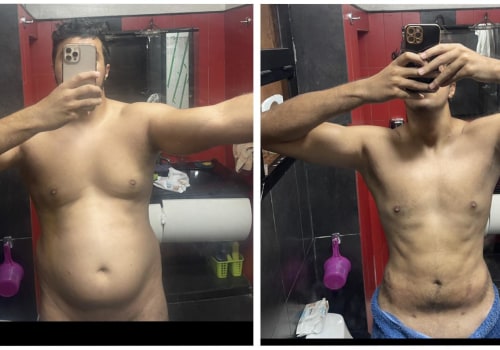
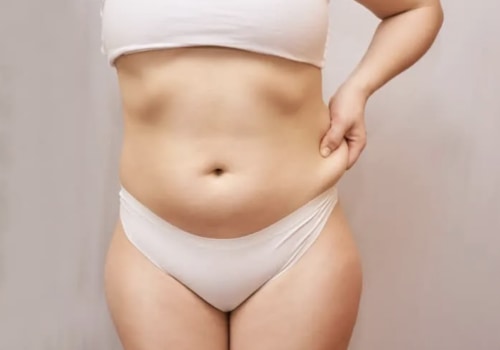
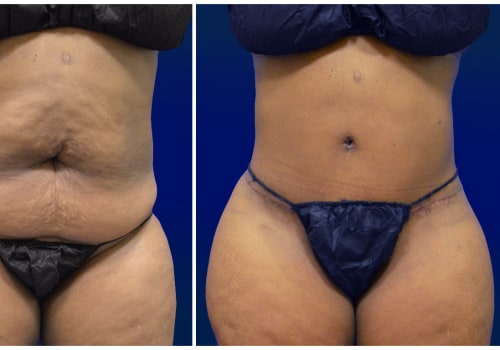
Before and After LiposuctionBefore and After Liposuction
The before and after images of liposuction patients often illustrate the potential for transformation. Many individuals report feeling more confident and satisfied with their appearance after the procedure.
However, it is important to remember that these images represent individual experiences and outcomes may vary.In summary, while liposuction can lead to impressive results by sculpting the body and removing stubborn fat deposits, it is vital for prospective patients to approach the procedure with informed expectations. Consulting with a qualified plastic surgeon will provide tailored insights into what can be achieved based on personal goals and body type.
Maintaining Results After Liposuction
Undergoing liposuction can be a transformative experience, but the journey doesn’t end once the procedure is complete. To truly benefit from the results, it is essential to adopt a lifestyle that supports and maintains your new body shape. Here are some effective strategies for maintaining your results after liposuction.1.Embrace a Balanced Diet
Nutrition plays a crucial role in sustaining the results of liposuction.After your procedure, focus on a diet rich in whole foods, including:
- Fruits and Vegetables: These are packed with vitamins, minerals, and antioxidants that support overall health.
- Lean Proteins: Incorporate sources like chicken, fish, beans, and legumes to help build and repair tissues.
- Whole Grains: Opt for brown rice, quinoa, and whole grain bread to provide sustained energy.
- Healthy Fats: Include avocados, nuts, and olive oil in moderation to support metabolic health.
2.Stay Hydrated
Drinking plenty of water is vital for maintaining your results. Proper hydration helps with metabolism and can reduce cravings for unhealthy snacks. Aim for at least 2 litres of water daily to keep your body functioning optimally.3.Regular Exercise
Incorporating regular physical activity into your routine is essential for maintaining your new shape. Aim for a mix of cardiovascular exercises and strength training:- Cardio: Activities like walking, running, cycling, or swimming can help burn calories and improve cardiovascular health.
- Strength Training: Building muscle through weight lifting or resistance exercises can boost your metabolism and help maintain fat loss.
4.Monitor Your Weight
After liposuction, it’s important to keep an eye on your weight.Regularly checking your weight can help you identify any fluctuations early on. If you notice any significant changes, reassess your diet and exercise habits to get back on track.
5.Follow-Up Appointments
Don’t underestimate the importance of follow-up appointments with your plastic surgeon. These visits allow you to discuss any concerns and receive professional advice tailored to your needs.By adopting these strategies, you can effectively maintain the results of your liposuction procedure and enjoy a healthier lifestyle long-term. Remember that consistency is key; small changes can lead to significant results over time.Potential Risks and Complications of Liposuction
While liposuction is widely regarded as a safe and effective method for removing stubborn fat deposits, it is essential to acknowledge that, like any surgical procedure, it carries certain risks and potential complications.Understanding these risks can help individuals make informed decisions about whether to proceed with the surgery.
Common Risks Associated with Liposuction
- Infection: As with any surgical procedure, there is a risk of infection at the incision sites. Proper post-operative care and hygiene are crucial to minimise this risk.
- Bleeding: Some bleeding is expected after surgery; however, excessive bleeding can lead to complications and may require additional medical intervention.
- Fluid Accumulation: Seromas, or pockets of fluid, can develop under the skin after liposuction. These may need to be drained if they become problematic.
- Nerve Damage: Although rare, there is a possibility of nerve damage during the procedure, which can result in temporary or permanent changes in sensation.
- Scarring: While surgeons strive to make incisions as discreet as possible, some scarring is inevitable. The extent of scarring can vary based on individual healing processes.
Serious Complications
- Deep Vein Thrombosis (DVT): This condition occurs when blood clots form in the deep veins of the legs.
DVT can be life-threatening if a clot travels to the lungs (pulmonary embolism).
- Fat Embolism: In rare cases, fat globules can enter the bloodstream and travel to the lungs or other organs, leading to serious complications.
- Anesthesia Risks: General anaesthesia carries its own set of risks, including allergic reactions and respiratory complications. It is vital to discuss these risks with your anaesthetist prior to surgery.
Safety Measures
The safety of liposuction largely depends on the qualifications and experience of the surgeon performing the procedure. To enhance safety:
- Select a board-certified plastic surgeon with extensive experience in liposuction.
- Ensure that the procedure is performed in an accredited surgical facility.
- Follow all pre-operative and post-operative instructions provided by your healthcare team.
Consulting a Qualified Surgeon: Why It Matters
When considering liposuction, one of the most crucial steps is consulting a qualified plastic surgeon.This initial consultation not only sets the tone for your entire experience but also plays a significant role in ensuring your safety and satisfaction with the results.
Choosing the Right Surgeon
- Board Certification: Always verify that your surgeon is board-certified in plastic surgery. This certification indicates that they have undergone rigorous training and adhere to high standards of practice.
- Experience: Look for a surgeon who has extensive experience specifically in performing liposuction. Ask about their track record, including the number of procedures performed and their outcomes.
- Before-and-After Photos: Request to see before-and-after photos of previous patients. This will give you a visual understanding of the surgeon's skill and the potential results you can expect.
- Patient Reviews: Research online reviews and testimonials from past patients.
Positive feedback can provide insight into the surgeon's professionalism, bedside manner, and overall patient satisfaction.
The Importance of Consultation
The consultation process is an opportunity for you to discuss your goals, expectations, and any concerns you may have. A qualified surgeon will take the time to:
- Assess Your Health: They will evaluate your overall health and medical history to determine if you are a suitable candidate for liposuction.
- Discuss Goals: A good surgeon will listen to your aesthetic goals and help you set realistic expectations based on your body type and desired outcomes.
- Explain the Procedure: They should provide a detailed explanation of the liposuction procedure, including techniques used, recovery time, and potential risks involved.
- Address Concerns: Your surgeon should encourage you to ask questions and address any concerns you may have, ensuring that you feel comfortable and informed before proceeding.
Conclusion: The Realities of Liposuction
In summary, liposuction is a powerful cosmetic procedure that can effectively target and eliminate stubborn fat deposits, helping individuals achieve their desired body contours. However, it is crucial to approach this surgery with a clear understanding of its capabilities and limitations.Throughout this article, we have debunked several common misconceptions surrounding liposuction.It is not a weight loss solution; rather, it is designed for those who are close to their ideal body weight but struggle with specific areas of fat that resist diet and exercise. The procedure is suitable for both men and women and can be performed on various body parts, including the abdomen, thighs, arms, and even the face.Moreover, while the fat cells removed during liposuction do not return, maintaining a stable weight post-procedure is essential to prevent new fat accumulation in other areas. It is also important to note that liposuction does not treat cellulite and should not be viewed as a substitute for a healthy lifestyle.As we have discussed, age is not a barrier to undergoing liposuction as long as the individual is in good health. However, realistic expectations regarding the results are vital, especially considering factors such as skin elasticity.Ultimately, if you are contemplating liposuction, it is imperative to consult with a qualified and experienced plastic surgeon.
They can provide personalised advice based on your unique circumstances and help you understand what to expect from the procedure. By doing so, you can make an informed decision that aligns with your aesthetic goals and overall health.In conclusion, while liposuction can be an effective tool for body contouring, it should be approached with careful consideration and professional guidance. Understanding the realities of this procedure will empower you to make choices that enhance your confidence and well-being.