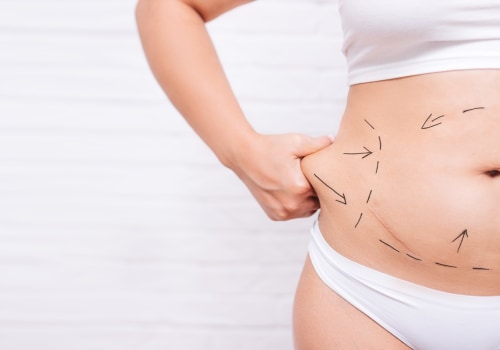
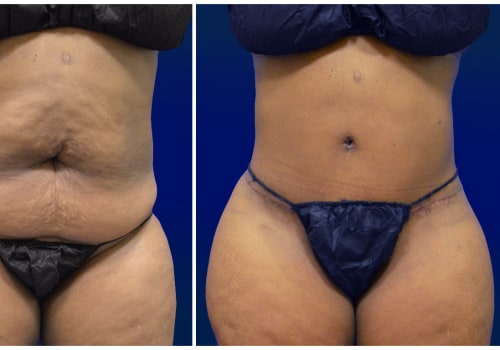
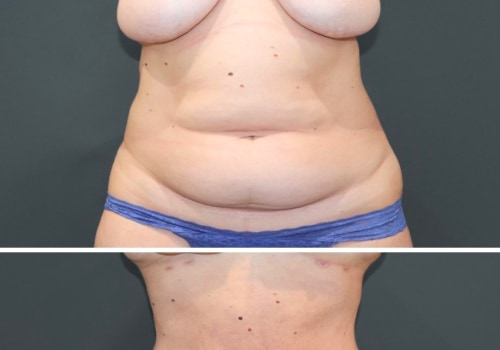
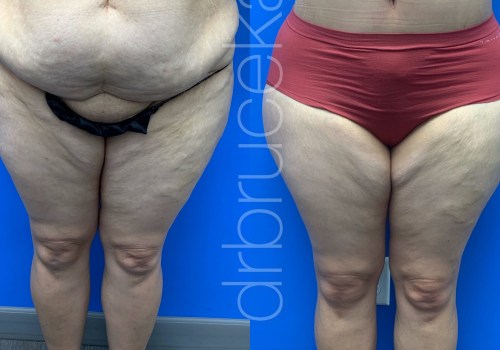
Liposuction is a popular cosmetic procedure designed to reshape and contour the body by removing excess fat from specific areas. Often misunderstood as a weight loss solution, it is crucial to clarify that liposuction is primarily a Liposuction is a popular cosmetic procedure designed to reshape and contour the body by removing excess fat from specific areas. Often misunderstood as a weight loss solution, it is crucial to clarify that liposuction is primarily a body contouring technique rather than a method for significant weight reduction. The procedure targets stubborn fat deposits that are resistant to diet and exercise, helping individuals achieve a more sculpted appearance.The liposuction process involves the use of a thin tube, known as a cannula, which is inserted through small incisions in the skin. This tube is used to suction out fat cells from the targeted areas, such as the abdomen, thighs, buttocks, arms, and neck.
The result is a smoother and more defined body shape. It is important to note that while liposuction can effectively remove fat, it does not address issues related to skin quality or elasticity. Therefore, candidates with good skin tone are often more likely to achieve optimal results.Many people have misconceptions about liposuction, believing it to be a quick fix for obesity or an easy way to lose weight. However, the reality is that liposuction is not intended for those who are significantly overweight.
Instead, it serves as an adjunct to a healthy lifestyle, complementing efforts made through diet and exercise. Understanding the true purpose of liposuction can help potential patients set realistic expectations and make informed decisions about their body contouring goals.In summary, liposuction is an effective procedure for those looking to enhance their body shape by removing localized fat deposits. By grasping what liposuction entails and its intended outcomes, individuals can better appreciate its role in achieving their desired physique.
The Liposuction Procedure Explained
Liposuction is a well-established cosmetic procedure designed to remove stubborn fat deposits from specific areas of the body, enhancing overall body contour. Understanding the liposuction process is essential for anyone considering this treatment, as it can help alleviate concerns and build trust in the procedure.Preparation for Liposuction
Before undergoing liposuction, patients typically have a comprehensive consultation with their surgeon.
This initial meeting is crucial for discussing medical history, expectations, and any potential risks associated with the procedure. The surgeon will evaluate the patient's body type and target areas for fat removal, ensuring that liposuction is appropriate for their individual needs.Patients may be advised to avoid certain medications, such as blood thinners, and to stop smoking well in advance of the surgery to promote optimal healing. Additionally, maintaining a stable weight prior to the procedure can enhance results.
Anesthesia Options
On the day of the procedure, anesthesia will be administered to ensure patient comfort. There are several options available:
- Local Anesthesia: This option numbs only the targeted area while the patient remains awake.
It is often used for smaller areas of fat removal.
- General Anesthesia: This method puts the patient into a deep sleep and is typically used for larger procedures or when multiple areas are being treated.
- Tumescent Anesthesia:Tumescent Anesthesia: A solution containing local anesthetic and epinephrine is injected into the fatty tissue, which helps reduce bleeding and swelling during the procedure.
The Actual Liposuction Procedure
Once anesthesia takes effect, the surgeon will make small incisions in inconspicuous locations on the body. Through these incisions, a thin tube called a cannula is inserted. The cannula is used to break up and suction out fat cells from beneath the skin. There are various liposuction techniques , including:
- Suction-Assisted Liposuction (SAL): The traditional method where suction is applied to remove fat cells.
- Tumescent Liposuction: Involves injecting a large volume of tumescent fluid into the treatment area before fat removal, which helps minimise pain and bleeding.
- Ultrasound-Assisted Liposuction (UAL): Utilises ultrasound energy to liquefy fat cells before they are suctioned out, making it easier to remove larger volumes of fat.
- Laser-Assisted Liposuction (LAL): Employs laser energy to melt fat cells, which are then removed through suction.
After the fat removal process is complete, incisions are closed with sutures or adhesive strips.Liposuction can significantly enhance body contours and boost self-confidence when performed by a qualified surgeon. Understanding each step of the procedure can help patients feel more prepared and informed as they embark on their journey towards a slimmer physique.
Who is a Suitable Candidate for Liposuction?
Determining whether you are a suitable candidate for liposuction involves several factors, including your overall health, body composition, and personal goals. Understanding these criteria can help you make an informed decision about whether this body contouring procedure is right for you.Body Mass Index (BMI)Body Mass Index (BMI)
A key factor in assessing candidacy for liposuction is your Body Mass Index (BMI). Ideal candidates typically have a BMI between 30 and 40, indicating that they are overweight but not severely obese.
Those with a BMI over 40 may be advised to consider other weight loss methods before undergoing liposuction. This is because the procedure is designed to target specific areas of fat rather than serve as a primary weight loss solution.
Health Conditions
Your medical history plays a crucial role in determining your eligibility for liposuction. Candidates should be in good overall health, free from conditions that could complicate surgery or recovery. Common health issues that may disqualify someone include:
- Cardiovascular diseases
- Diabetes
- Respiratory problems
- Blood clotting disorders
- Severe obesity
Lifestyle Factors
A healthy lifestyle significantly impacts the success of liposuction.
Candidates should ideally be non-smokers or willing to quit smoking prior to the procedure, as smoking can hinder healing and increase the risk of complications. Additionally, maintaining a balanced diet and engaging in regular physical activity are vital for achieving optimal results and sustaining them long-term.
Realistic Expectations
Potential candidates must also possess realistic expectations regarding the outcomes of liposuction. While the procedure can effectively remove stubborn fat deposits and enhance body contours, it is not a miracle solution for weight loss or an alternative to healthy living. Understanding what liposuction can and cannot achieve will help you set achievable goals.In summary, suitable candidates for liposuction are those who are within a healthy weight range, have no significant health issues, lead a healthy lifestyle, and have realistic expectations about the results.
Consulting with a qualified plastic surgeon will provide you with tailored advice based on your individual circumstances.Consulting with a qualified plastic surgeon will provide you with tailored advice based on your individual circumstances.
Expected Results and Recovery After Liposuction
After undergoing liposuction, patients often have high expectations regarding their results. It is crucial to understand that while liposuction can significantly enhance body contours, the outcomes can vary based on several factors, including the individual's body type, the amount of fat removed, and the specific areas treated.Expected Results
- The primary goal of liposuction is to reshape and contour the body by removing stubborn fat deposits that are resistant to diet and exercise.
- Patients can typically expect a more sculpted appearance in the treated areas, which may include the abdomen, thighs, arms, or neck.
- While some individuals may notice immediate changes post-surgery, it is essential to remember that final results can take several months to fully manifest as swelling subsides and the skin adjusts to its new shape.
Recovery Time After Liposuction
The recovery period following liposuction varies from person to person. Generally, patients can anticipate:
- A few days of rest before resuming light activities.
- Most individuals return to work within one to two weeks, depending on the extent of the procedure and their overall health.
- Strenuous activities and exercise should be avoided for at least four to six weeks to allow for proper healing.
Post-Liposuction Care
Liposuction vs. Other Weight Loss Methods
When considering options for achieving a slimmer physique, many individuals find themselves weighing the benefits of liposuction against traditional methods such as diet and exercise.Each approach has its unique advantages and limitations, making it essential to understand how they differ in terms of effectiveness, recovery, and long-term results.
Liposuction vs. Diet
Dieting is often the first step for those looking to lose weight. A well-balanced diet can lead to gradual weight loss and improved overall health. However, it requires significant commitment and lifestyle changes.While some individuals may achieve their desired weight through diet alone, others may struggle with stubborn fat deposits that resist dietary efforts.
Liposuction
, on the other hand, specifically targets these resistant areas by removing fat cells directly. This procedure can provide immediate results in body contouring, which dieting may not achieve as quickly. However, it is crucial to note that liposuction is not a substitute for a healthy diet; maintaining a balanced diet post-procedure is vital for sustaining results.Liposuction vs. Exercise
Regular exercise is another cornerstone of weight management and overall health.It not only aids in burning calories but also helps build muscle, improve metabolism, and enhance mental well-being. Many people find success in losing weight through a combination of exercise and dietary changes.While exercise can lead to significant fat loss over time, it may not effectively target specific areas where fat tends to accumulate, such as the abdomen, thighs, or arms.
Liposuction
offers a solution for those who have reached a plateau in their fitness journey or who wish to refine their body shape more dramatically. It is important to remember that liposuction does not replace the need for regular physical activity; rather, it complements an active lifestyle.Weight Loss Alternatives
In addition to liposuction, diet, and exercise, there are various other weight loss alternatives available today.These include:
- Weight Loss Surgery: Procedures like gastric bypass or sleeve gastrectomy can lead to significant weight loss for individuals with obesity but come with higher risks and longer recovery times.
- Medical Weight Loss Programs: Supervised programs that may include medication can assist in weight loss but require ongoing commitment and monitoring.
- Non-Surgical Fat Reduction: Techniques such as CoolSculpting or ultrasound therapy offer non-invasive options for fat reduction but typically yield less dramatic results compared to liposuction.
Potential Risks and Complications of Liposuction
While liposuction can be an effective method for body contouring, it is essential to be aware of the potential risks and complications that may arise from the procedure. Understanding these risks can help patients make informed decisions and prepare adequately for their surgery.Common Risks Associated with Liposuction
- Infection: As with any surgical procedure, there is a risk of infection at the incision sites. Proper post-operative care and hygiene are crucial to minimise this risk.
- Bleeding: Some bleeding is expected after surgery, but excessive bleeding can lead to complications.
Patients should be monitored closely during recovery.
- Fluid Accumulation: Seromas, or fluid collections, can occur in the treated areas. These may require drainage if they become significant.
- Nerve Damage: Although rare, nerve damage can occur, leading to temporary or permanent changes in sensation in the treated areas.
- Scarring: While liposuction incisions are small, scarring can still occur. The extent of scarring varies by individual and depends on skin type and healing ability.
Serious Complications
- Deep Vein Thrombosis (DVT): This condition involves blood clots forming in the deep veins, which can be life-threatening if they travel to the lungs (pulmonary embolism).
- Fat Embolism: In rare cases, fat particles can enter the bloodstream and cause blockages in blood vessels, leading to serious health issues.
- Anesthesia Risks: General anaesthesia carries its own set of risks, including allergic reactions and respiratory complications.
Safe Liposuction Practices
To minimise risks, it is vital to choose a qualified and experienced surgeon who adheres to safe surgical practices. Patients should:
- Conduct thorough research on the surgeon’s credentials and experience.
- Discuss all medical history and current medications with the surgeon prior to surgery.
- Follow pre-operative instructions carefully, including guidelines on diet and medication adjustments.
- Attend all follow-up appointments to monitor recovery progress.
Cost of Liposuction: What to Expect
When considering liposuction, understanding the associated costs is crucial for effective financial planning.The price of liposuction can vary significantly based on several factors, including the surgeon's experience, the geographical location of the clinic, and the complexity of the procedure itself.
Factors Influencing Liposuction Costs
- Surgeon's Expertise: Highly experienced and board-certified plastic surgeons typically charge more due to their skill and reputation. Investing in a qualified surgeon can lead to better results and fewer complications.
- Geographical Location: The cost of living in different regions can affect pricing. Urban areas with a higher cost of living often have higher prices for cosmetic procedures compared to rural locations.
- Type of Liposuction: There are various techniques available, such as tumescent liposuction, ultrasound-assisted liposuction, and laser-assisted liposuction. Each method has its own cost structure based on the technology and expertise required.
- Extent of Treatment: The number of areas being treated and the amount of fat being removed will also influence the overall cost.
More extensive procedures will naturally incur higher fees.
Financing Options for Liposuction
Many clinics offer financing options to help patients manage the costs associated with liposuction. These may include:
- Payment Plans: Some practices allow patients to pay for their procedure in instalments over time, making it more affordable.
- Medical Credit Cards: Specialised credit cards designed for medical expenses can provide a way to finance cosmetic surgery with low or no interest for a promotional period.
- Personal Loans: Patients may consider taking out a personal loan from a bank or credit union to cover the costs of their procedure.
Understanding these factors will help you make an informed decision about your body contouring journey.
Frequently Asked Questions About Liposuction
When considering liposuction, many individuals have questions and concerns that can influence their decision-making process. Below are some of the most frequently asked questions regarding this popular body contouring procedure, along with clear answers to help dispel common myths and provide valuable insights.What is liposuction?
Liposuction is a surgical procedure designed to remove excess fat from specific areas of the body, such as the abdomen, thighs, buttocks, arms, and neck. It is not intended for weight loss but rather for body contouring, helping to achieve a more sculpted appearance.Is liposuction a weight loss solution?
No, liposuction should not be viewed as a weight loss solution. While it can remove a certain amount of fat—typically between 2 to 4 litres (approximately 5 to 8 pounds)—it is not a substitute for a healthy diet and regular exercise.The procedure is best suited for individuals who are close to their ideal weight but struggle with stubborn fat deposits.
Who is an ideal candidate for liposuction?
The ideal candidates for liposuction are those who:- Are at or near their target weight
- Have good skin elasticity
- Are in good overall health
- Have realistic expectations about the outcomes
What are the risks associated with liposuction?
As with any surgical procedure, liposuction carries certain risks, including:- Infection
- Scarring
- Fluid accumulation
- Changes in skin sensation
- Uneven contours or asymmetry
Can liposuction help with cellulite?
Liposuction is not specifically designed to treat cellulite. While it may improve the overall appearance of the treated area by removing fat, it does not address the underlying causes of cellulite, such as skin texture and elasticity.What should I expect during recovery?
The recovery period after liposuction varies depending on the extent of the procedure and individual healing rates. Generally, patients can expect:- Soreness and swelling in the treated areas
- A need for compression garments to support healing
- A gradual return to normal activities within a few weeks
Conclusion: Is Liposuction Right for You?
In conclusion, liposuction can be a valuable option for individuals seeking to enhance their body contours and achieve a more sculpted appearance. However, it is crucial to approach this procedure with a clear understanding of its purpose and limitations.As discussed, liposuction is not a weight loss solution but rather a body contouring technique designed to remove localized fat deposits that are resistant to diet and exercise.Before deciding if liposuction is right for you, consider the following key points:
- Realistic Expectations: It is essential to have realistic expectations regarding the outcomes of liposuction. While many patients experience significant improvements in their body shape, the procedure is not a substitute for a healthy lifestyle. Maintaining a balanced diet and regular exercise is vital for long-term results.
- Consultation with a Qualified Professional: Engaging in a thorough consultation with a board-certified plastic surgeon is imperative. They can assess your individual circumstances, discuss your goals, and determine if you are a suitable candidate for the procedure.
This step ensures that you receive personalised advice tailored to your needs.
- Understanding Risks and Recovery: Like any surgical procedure, liposuction carries potential risks and complications. Understanding these risks, as well as the recovery process, will help you make an informed decision. Your surgeon will provide detailed information about what to expect post-surgery.
- Alternative Options: Depending on your specific situation, there may be alternative procedures or treatments that could better suit your needs. Discussing these options with your surgeon can provide you with a comprehensive view of what is available.
By taking the time to evaluate your options and understanding the implications of the procedure, you can make an informed choice that aligns with your aesthetic goals and overall health.