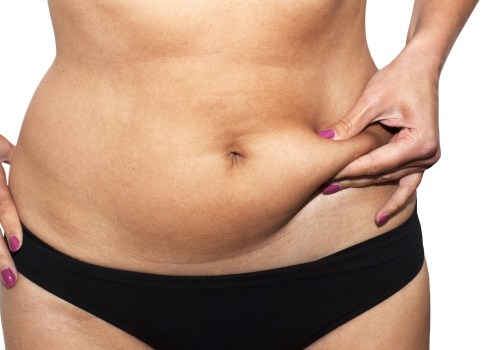
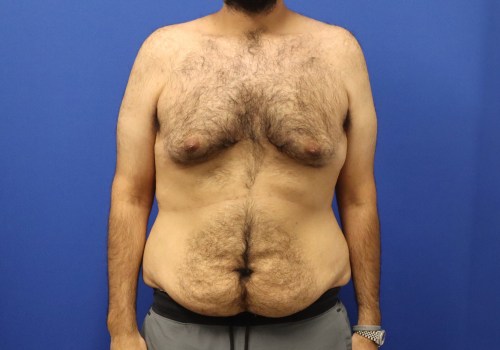
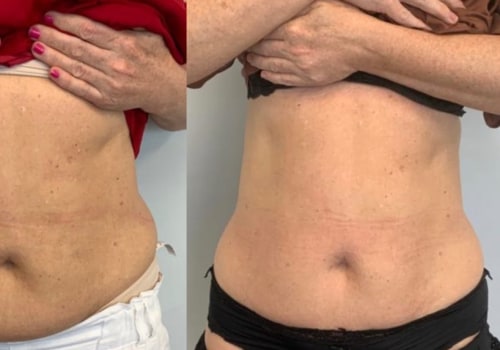
Liposuction is a popular cosmetic procedure designed to reshape and contour the body by removing excess fat deposits. It is essential to understand that liposuction is not a weight loss solution; rather, it is a method for targeting specific areas of stubborn fat that may not respond to diet and exercise. This procedure can help individuals achieve a more balanced and aesthetically pleasing body shape, enhancing their overall confidence and self-image.The liposuction procedure involves the use of a thin tube called a cannula, which is inserted through small incisions in the skin. The surgeon then uses this cannula to suction out unwanted fat from various parts of the body, such as the abdomen, thighs, buttocks, arms, and neck.
The technique can vary depending on the specific goals of the patient and the areas being treated. Some common methods include tumescent liposuction, where a saline solution is injected to facilitate fat removal, and ultrasound-assisted liposuction, which uses sound waves to break down fat cells before extraction.Understanding how liposuction works is crucial for anyone considering this procedure. The process begins with a thorough consultation with a qualified plastic surgeon, who will assess the patient's health, discuss their aesthetic goals, and determine if they are suitable candidates for liposuction. During the surgery, patients are typically placed under local or general anaesthesia to ensure comfort. is crucial for anyone considering this procedure. The process begins with a thorough consultation with a qualified plastic surgeon, who will assess the patient's health, discuss their aesthetic goals, and determine if they are suitable candidates for liposuction. During the surgery, patients are typically placed under local or general anaesthesia to ensure comfort.
After the fat is removed, patients may experience some swelling and bruising, but these effects usually subside within a few weeks. Ultimately, while liposuction can significantly improve body contours, it should be viewed as part of a broader approach to health and wellness rather than a standalone solution for weight loss.
Common Myths About Liposuction
Liposuction is often surrounded by a cloud of misconceptions that can lead to unrealistic expectations among potential patients. Understanding the truth behind these myths is essential for anyone considering this procedure.Myth 1: Liposuction is a Weight Loss Solution
One of the most prevalent myths is that liposuction serves as a quick fix for weight loss. In reality, liposuction is not designed for significant weight reduction.
It is primarily a body contouring procedure aimed at removing localized fat deposits that are resistant to diet and exercise. Most patients can expect to lose only a few pounds, typically between two to five, which may not reflect on the scale as dramatically as one might hope.
Myth 2: Liposuction Eliminates Cellulite
Another common belief is that liposuction can effectively eliminate cellulite. While it may improve the appearance of certain areas, it does not specifically target cellulite. Cellulite is caused by structural changes in the skin and underlying fat, and liposuction does not address these issues directly.
Myth 3: Liposuction is a Quick Fix for Obesity
Many individuals mistakenly view liposuction as a solution for obesity.
However, it is crucial to understand that this procedure is not intended for those who are significantly overweight. The best candidates are typically within 30% of their ideal body weight and have specific areas of fat they wish to address. For those struggling with obesity, other surgical options, such as gastric bypass or sleeve gastrectomy, may be more appropriate.
Myth 4: Recovery from Liposuction is Easy and Quick
Some people believe that recovery from liposuction is straightforward and requires minimal downtime. While many patients do return to their normal activities within a week or two, the recovery process can vary significantly based on individual circumstances and the extent of the procedure.
It’s essential to follow post-operative care instructions carefully to ensure optimal healing.
Myth 5: Liposuction Results are Permanent
Lastly, there’s a misconception that the results of liposuction are permanent. While the fat cells removed during the procedure do not regenerate, it’s important to maintain a healthy lifestyle post-surgery. Weight gain after liposuction can lead to new fat deposits in other areas of the body, potentially negating the results achieved.In conclusion, debunking these myths about liposuction helps set realistic expectations for potential patients. Understanding what liposuction can and cannot do is vital in making informed decisions about body contouring options.
The Realities of Weight Loss with Liposuction
When considering liposuction, many individuals are often drawn in by the promise of significant weight loss.However, it is crucial to understand that liposuction is primarily a body contouring procedure rather than a weight loss solution. The reality is that while liposuction can remove fat from specific areas of the body, the amount of weight lost is typically modest.On average, patients can expect to lose between two to five pounds after undergoing liposuction. This may seem minimal, especially when compared to other weight loss methods, but it is essential to recognise that the primary goal of liposuction is to reshape and contour the body rather than achieve substantial weight reduction.The FDA has approved liposuction for the removal of up to 11 pounds11 pounds of fat, which equates to approximately five litres. However, this does not mean that every patient should aim for this maximum limit.
In fact, most candidates for liposuction are those who are already close to their ideal weight and have specific areas of stubborn fat that do not respond well to diet and exercise.It’s important to note that the results of liposuction are often more visible in terms of inches lost rather than pounds. Many patients report a reduction of one to three inches in targeted areas, which can lead to a more toned and sculpted appearance. This change can be more satisfying than simply seeing a lower number on the scale.Moreover, the effectiveness of liposuction can vary based on several factors, including:
- Body Type: Different body types respond uniquely to fat removal.
- Area Treated: Some areas may yield more noticeable results than others.
- Post-Operative Care: Following recovery guidelines can significantly impact final results.
For individuals seeking significant weight loss, alternative surgical options or lifestyle changes may be more appropriate.
Who Are the Ideal Candidates for Liposuction?
When considering liposuction, it is crucial to identify who the ideal candidates are for this body contouring procedure. Understanding the characteristics of suitable candidates not only helps in setting realistic expectations but also ensures that individuals are making informed decisions about their bodies.Body Mass Index (BMI)
is a significant factor in determining candidacy for liposuction. Generally, candidates should have a BMI within the range of 30% of their ideal weight. This means that individuals who are slightly overweight but not significantly obese are often the best candidates.
Those with a BMI below 30 may also qualify, especially if they have specific areas of fat that are resistant to diet and exercise.Another important consideration is the distribution of fat in the body. Ideal candidates typically have localized pockets of fat that do not respond to traditional weight loss methods. Common areas include:
- Abdomen
- Thighs
- Hips
- Arms
- Back
- Chin and neck
Skin elasticity
is another critical factor in determining suitability for liposuction.
Candidates should ideally have good skin elasticity, as this will help the skin to retract and conform to the new body contours after fat removal. Those with sagging skin may not achieve the desired results and could benefit from additional procedures, such as a tummy tuck or skin tightening treatments.Moreover, emotional and psychological readiness plays a vital role in candidacy. Ideal candidates should have realistic expectations about the outcomes of liposuction. It is essential for individuals to understand that while liposuction can enhance body shape, it is not a substitute for weight loss or a solution for obesity.In summary, the ideal candidates for liposuction are those who:
- Have a BMI within 30% of their ideal weight
- Possess localized fat deposits resistant to diet and exercise
- Exhibit good skin elasticity
- Are emotionally prepared and have realistic expectations about the procedure
The Liposuction Procedure: What to Expect
Understanding the liposuction procedure is crucial for anyone considering this body contouring option.The process involves several key stages, from pre-operative preparations to post-operative care, each designed to ensure safety and effectiveness.
Pre-Operative Preparations
- Before undergoing liposuction, patients will have a thorough consultation with their surgeon. This meeting is essential for discussing medical history, expectations, and any concerns.
- Patients may be advised to undergo certain tests, such as blood work, to ensure they are fit for surgery.
- It is also important to avoid certain medications and supplements that can increase bleeding risk, such as aspirin and non-steroidal anti-inflammatory drugs (NSAIDs).
- On the day of the procedure, patients should arrive at the surgical facility with a clean body and wearing comfortable clothing.
The Surgical Process
The actual liposuction procedure typically takes between one to three hours, depending on the areas being treated. Here’s what happens during the surgery:
- Anesthesia: Patients are usually given either local or general anesthesia. Local anesthesia numbs the targeted area while the patient remains awake, whereas general anesthesia puts the patient into a deep sleep.
- Incisions: Small incisions are made in discreet locations near the treatment area.
These incisions are typically less than half an inch long.
- Fat Removal: A thin tube called a cannula is inserted through the incisions. The surgeon uses this tube to suction out excess fat from specific areas of the body. The technique may vary; some surgeons use tumescent liposuction, which involves injecting a solution to help numb the area and reduce bleeding.
- Closing Incisions: Once the desired amount of fat has been removed, the incisions are closed with sutures or adhesive strips.
Recovery After Liposuction
The recovery phase is just as important as the procedure itself. Here’s what patients can expect:
- Initial Recovery: After surgery, patients may experience swelling, bruising, and discomfort in the treated areas.
These symptoms are normal and can be managed with prescribed pain medication.
- Compression Garments: Surgeons often recommend wearing compression garments for several weeks post-surgery. These garments help reduce swelling and support the healing process.
- Activity Restrictions: Patients should avoid strenuous activities for at least two weeks. Light walking is encouraged to promote circulation but should be done cautiously.
- Follow-Up Appointments: Regular follow-up visits with the surgeon are essential to monitor healing and address any concerns that may arise during recovery.
Potential Risks and Complications of Liposuction
While liposuction is a popular cosmetic procedure aimed at body contouring, it is essential to understand that, like any surgical intervention, it carries potential risks and complications. Being informed about these risks can help patients make educated decisions regarding their health and aesthetic goals.One of the most common risks associated with liposuction is infection.Although rare, infections can occur at the incision sites or deeper within the tissues. Proper pre-operative assessments and post-operative care are crucial in minimising this risk. Patients should follow their surgeon's instructions meticulously to reduce the likelihood of infection.Another significant concern is bleeding. During the procedure, blood vessels may be damaged, leading to excessive bleeding.
In some cases, this may require additional surgical intervention to control. Patients are advised to discuss their medical history with their surgeon, as certain conditions or medications can increase the risk of bleeding.
Fluid accumulation
, known as seroma, is another potential complication. This occurs when fluid builds up in the spaces left by the removed fat. While seromas can often resolve on their own, they may require drainage if they become problematic.
Scarring
is an inevitable part of any surgical procedure.
Although liposuction incisions are typically small and strategically placed to minimise visibility, some patients may experience noticeable scarring. The extent of scarring can vary based on individual healing processes and skin types.
Changes in skin sensation
are also possible after liposuction. Some patients report numbness or altered sensations in the treated areas, which may be temporary or, in rare cases, permanent. This can be distressing for individuals who expect a smooth recovery.In more severe cases, complications such as fat embolism can occur.
This rare but serious condition happens when fat enters the bloodstream and travels to the lungs or other organs, potentially leading to life-threatening situations. Understanding this risk underscores the importance of choosing a qualified and experienced surgeon.Lastly, it is crucial to acknowledge that liposuction is not a weight-loss solution but rather a body contouring procedure. Patients who have unrealistic expectations about the outcomes may feel dissatisfied with their results, leading to psychological distress.In conclusion, while liposuction can offer significant aesthetic benefits, it is vital for prospective patients to weigh these against the potential risks and complications. A thorough consultation with a qualified plastic surgeon will provide valuable insights into personal risks and help ensure a safe and satisfactory experience.
Comparing Liposuction to Other Weight Loss Options
When considering options for weight loss, it is essential to understand how liposuction compares to other surgical and non-surgical methods.While liposuction is often perceived as a quick fix for fat removal, it is primarily a body contouring procedure rather than a weight loss solution. This distinction is crucial when evaluating its effectiveness against alternatives such as gastric bypass surgery and lifestyle changes.
Liposuction vs. Gastric Bypass Surgery
Gastric bypass surgery, also known as Roux-en-Y gastric bypass, is a more invasive procedure aimed at significantly reducing body weight by altering the digestive system. This surgery involves creating a small pouch from the stomach and connecting it directly to the small intestine, which limits food intake and nutrient absorption.Unlike liposuction, which targets specific areas of fat, gastric bypass can lead to substantial weight loss—often exceeding 50% of excess body weight within the first two years.While both procedures can improve body shape and health, they serve different purposes:
- Liposuction: Best suited for individuals who are close to their ideal weight but have stubborn fat deposits that resist diet and exercise.
- Gastric Bypass: Recommended for individuals with a BMI of 40 or higher or those with a BMI of 35 with obesity-related health conditions.
Alternatives to Liposuction
For those not ready for surgical intervention or who do not meet the criteria for gastric bypass, there are several alternatives to consider:- Lifestyle Changes: A combination of a balanced diet and regular exercise can lead to sustainable weight loss. This approach focuses on long-term health rather than immediate results.
- Non-Surgical Fat Reduction: Techniques such as CoolSculpting or SculpSure use freezing or laser technology to target fat cells without surgery. These methods can be effective for small areas of fat but typically require multiple sessions.
- Medication: Prescription weight-loss medications may be an option for some individuals, particularly those with obesity-related health issues. These medications work best when combined with lifestyle changes.
Understanding the differences between liposuction, gastric bypass surgery, and other alternatives allows individuals to make informed decisions about their health and wellness journey.
Post-Liposuction Care and Maintenance
After undergoing liposuction, proper care and maintenance are essential to ensure optimal results and long-term satisfaction. The recovery process can vary from person to person, but adhering to specific guidelines can significantly enhance your experience and outcomes.Post-Liposuction Care Tips
- Follow Your Surgeon’s Instructions: Always adhere to the post-operative guidelines provided by your surgeon. This includes medication schedules, follow-up appointments, and any specific care instructions tailored to your procedure.
- Manage Pain and Discomfort: It is normal to experience some pain and swelling after liposuction. Use prescribed pain relief medications as directed, and consider applying cold compresses to reduce swelling.
- Wear Compression Garments: Wearing a compression garment is crucial for supporting the healing process.
It helps reduce swelling, improves blood circulation, and aids in skin retraction. Ensure you wear it as recommended by your surgeon.
- Stay Hydrated: Drinking plenty of water is vital for recovery. Hydration helps flush out toxins from the body and can aid in reducing swelling.
- Avoid Strenuous Activities: Refrain from heavy lifting or vigorous exercise for at least a few weeks post-surgery. Gentle walking is encouraged to promote circulation without straining your body.
Maintaining Results After Liposuction
While liposuction effectively removes stubborn fat deposits, it is not a substitute for a healthy lifestyle.To maintain your results, consider the following lifestyle changes:
- Adopt a Balanced Diet: Focus on consuming a nutritious diet rich in fruits, vegetables, lean proteins, and whole grains. Avoid processed foods high in sugar and unhealthy fats that can lead to weight gain.
- Regular Exercise: Incorporate regular physical activity into your routine. Aim for at least 150 minutes of moderate aerobic exercise each week, along with strength training exercises twice a week.
- Monitor Your Weight: Keep track of your weight regularly. If you notice any significant fluctuations, consult with a healthcare professional to address potential issues early on.
- Avoid Smoking and Limit Alcohol: Smoking can hinder the healing process, while excessive alcohol consumption can contribute to weight gain.
Aim to quit smoking and limit alcohol intake for better health outcomes.
Frequently Asked Questions About Liposuction
When considering liposuction, many individuals have questions that can significantly impact their decision-making process. Below are some of the most frequently asked questions regarding this popular cosmetic procedure.What is liposuction?
Liposuction is a surgical procedure designed to remove excess fat from specific areas of the body, such as the abdomen, thighs, buttocks, arms, and neck. It is primarily a body contouring technique rather than a weight loss solution.Who is an ideal candidate for liposuction?
The best candidates for liposuction are those who are close to their ideal body weight but struggle with stubborn fat deposits that do not respond to diet and exercise. Candidates should also be in good overall health and have realistic expectations about the results.How much fat can be safely removed during liposuction?
During a typical liposuction procedure, surgeons can safely remove between six to eight pounds (approximately three to four litres) of fat.Exceeding this amount can increase the risk of complications.
What are the different types of liposuction techniques?
- Tumescent liposuction: This is the most common technique, where a solution containing saline, anaesthetic, and epinephrine is injected into the treatment area to minimise bleeding and pain.
- Ultrasound-assisted liposuction (UAL): This method uses ultrasound energy to liquefy fat cells before removal, making it easier to extract.
- Laser-assisted liposuction (LAL): Similar to UAL, this technique employs laser energy to melt fat cells, which are then suctioned out.
What is the recovery time after liposuction?
Recovery time varies by individual and the extent of the procedure. Generally, patients can expect to return to normal activities within one to two weeks. However, strenuous exercise should be avoided for at least four to six weeks post-surgery.Are there any risks associated with liposuction?
As with any surgical procedure, there are risks involved with liposuction. Potential complications include infection, scarring, fluid accumulation, and changes in skin sensation.It is crucial to discuss these risks with your surgeon prior to undergoing the procedure.
Will I have visible scars after liposuction?
Liposuction incisions are typically small and strategically placed in less visible areas. While some scarring may occur, it usually fades over time and becomes less noticeable.If you have more questions about liposuction, it’s advisable to consult with a qualified plastic surgeon who can provide personalised information based on your unique circumstances.Conclusion: The Truth About Liposuction Revealed
In conclusion, understanding the realities of liposuction is crucial for anyone considering this body contouring procedure. Throughout this article, we have explored various misconceptions surrounding liposuction, particularly the belief that it serves as a primary method for significant weight loss. It is essential to reiterate that liposuction is not a weight loss solution; rather, it is designed to target specific areas of stubborn fat that may not respond to diet and exercise.As highlighted, the average amount of fat that can be safely removed during a liposuction procedure typically ranges from two to five pounds.While some patients may experience a reduction of up to eleven pounds, this is not the norm and should not be the primary goal when considering the procedure. Instead, the focus should be on achieving a more contoured and proportionate body shape.Moreover, it is vital to acknowledge that liposuction is most effective for individuals who are already close to their ideal weight and have localized fat deposits. This means that those who are significantly overweight or seeking drastic changes may need to explore other options, such as lifestyle modifications or alternative surgical procedures.Before making any decisions regarding liposuction, it is highly recommended to consult with a qualified and experienced plastic surgeon. A professional can provide personalised advice based on your unique body type, health status, and aesthetic goals.
They can also help set realistic expectations about what liposuction can achieve and discuss any potential risks involved.Ultimately, the truth about liposuction lies in its role as a complementary procedure rather than a standalone solution for weight loss. By approaching it with informed expectations and professional guidance, you can make choices that align with your body goals and overall well-being.