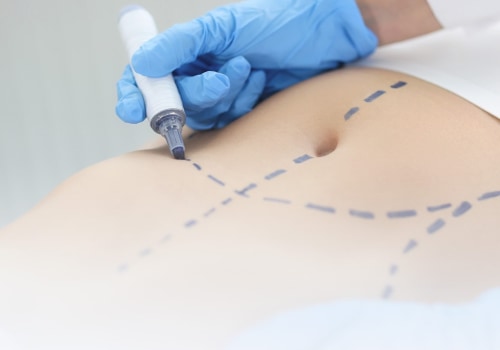
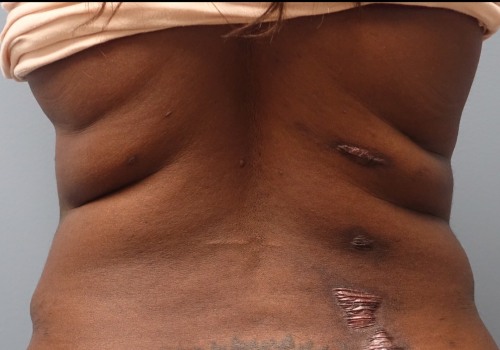
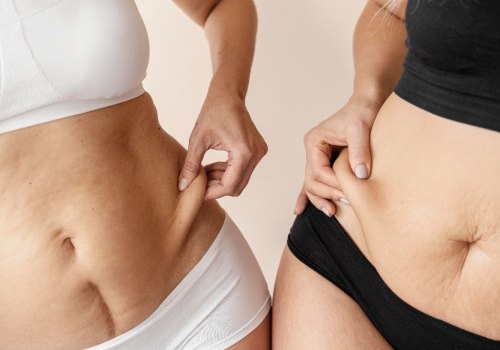
Liposuction is a popular cosmetic surgical procedure designed to remove stubborn fat deposits from various areas of the body. Often referred to as body contouring, this technique allows individuals to achieve a more sculpted and proportionate physique. While diet and exercise are essential for maintaining a healthy lifestyle, some fat deposits can be resistant to these efforts, making liposuction an appealing option for those looking to enhance their body shape.The liposuction procedure involves the use of a thin tube called a cannula, which is inserted through small incisions in the skin. This cannula is then used to suction out excess fat from targeted areas, such as the abdomen, thighs, buttocks, arms, and neck.
The procedure can be performed under local or general anaesthesia, depending on the extent of fat removal and the patient's preferences. Recovery times vary, but many patients can return to their normal activities within a few weeks.One of the primary benefits of liposuction is its ability to provide immediate results. Patients often notice a significant change in their body shape shortly after the procedure, with final results becoming more apparent as swelling subsides over time. Additionally, liposuction can boost self-esteem and confidence by helping individuals achieve their desired body image.
It is important to note that while liposuction can effectively remove fat, it is not a weight-loss solution or a substitute for a healthy lifestyle.In summary, liposuction offers a viable option for those struggling with localized fat deposits that do not respond to traditional weight loss methods. By understanding what liposuction entails and its potential benefits, individuals can make informed decisions about whether this procedure aligns with their personal goals and expectations.
Preparing for Liposuction
Preparing for liposuction is a critical step that can significantly influence the outcome of your procedure. Proper preparation not only enhances the effectiveness of the surgery but also ensures a smoother recovery process. Here are essential steps to consider before undergoing liposuction.1.Consultation with a Board-Certified Surgeon
The first step in your preparation should be scheduling a consultation with a board-certified plastic surgeon who specializes in liposuction.
During this meeting, you will discuss your goals, expectations, and any concerns you may have. The surgeon will evaluate your medical history, current health status, and the areas you wish to target.It’s important to be open and honest during this consultation. Share any medications you are taking, including over-the-counter drugs and supplements, as these can affect your surgery and recovery.
2.Medical Evaluations
Your surgeon may recommend certain medical evaluations to ensure you are a suitable candidate for liposuction. This could include blood tests, imaging studies, or consultations with other specialists if you have pre-existing health conditions.
These evaluations help identify any potential risks associated with the procedure.
3.Lifestyle Adjustments
Making lifestyle changes prior to your surgery can greatly impact your results. Here are some tips:
- Maintain a Healthy Diet: Focus on consuming a balanced diet rich in fruits, vegetables, lean proteins, and whole grains. This will help you achieve your ideal weight before the procedure.
- Avoid Smoking: If you smoke, it is advisable to quit at least four weeks before surgery. Smoking can impair healing and increase the risk of complications.
- Limit Alcohol Consumption: Reducing alcohol intake in the weeks leading up to your surgery can improve your overall health and recovery.
- Stay Hydrated: Drinking plenty of water helps keep your body hydrated and supports optimal skin elasticity.
4.Pre-Operative Instructions
Your surgeon will provide specific pre-operative instructions that may include guidelines on when to stop eating or drinking before the procedure, as well as recommendations for medications to avoid.By following these preparatory steps diligently, you can maximise the benefits of your liposuction procedure and pave the way for a successful transformation.
Choosing the Right Surgeon
When considering liposuction, one of the most critical decisions you will make is selecting the right plastic surgeon.The expertise and qualifications of your surgeon can significantly influence not only the outcome of your procedure but also your overall safety and satisfaction. Here are some essential factors to consider when choosing a plastic surgeon.
1.Board Certification
- Ensure that your surgeon is board-certified by a recognised body, such as the British Association of Aesthetic Plastic Surgeons (BAAPS) or the General Medical Council (GMC)General Medical Council (GMC). This certification indicates that the surgeon has undergone rigorous training and adheres to high standards of practice.
2.Experience and Specialisation
- Look for a surgeon who has extensive experience specifically in performing liposuction. Ask how many procedures they have completed and their success rates.
A surgeon who regularly performs liposuction is more likely to be familiar with the latest techniques and technologies.
- Consider whether the surgeon has a particular focus on body contouring procedures, as this can indicate a deeper understanding of aesthetic outcomes.
3.Patient Reviews and Before-and-After Photos
- Research patient testimonials and reviews to gauge the experiences of others who have undergone liposuction with the surgeon. Positive feedback can provide reassurance about their skills and patient care.
- Request to see before-and-after photos of previous patients. This visual evidence can help you assess the surgeon's aesthetic style and results.
4.Consultation Process
- A thorough consultation is vital. During this meeting, evaluate how well the surgeon listens to your concerns, answers your questions, and discusses your goals.
A good surgeon will take the time to understand your expectations and provide realistic insights into what liposuction can achieve for you.
- Pay attention to how comfortable you feel with the surgeon. Trust your instincts; a strong rapport can enhance your overall experience.
5.Hospital Privileges
- Check if the surgeon has privileges at accredited hospitals or surgical centres. This ensures that they operate in facilities that meet strict safety standards.
The Liposuction Procedure: What to Expect
Understanding the liposuction procedure is crucial for anyone considering this transformative surgery.The process typically begins with a thorough consultation, where your surgeon will assess your health, discuss your goals, and explain the various techniques available. This initial meeting is vital for setting realistic expectations and ensuring that you are a suitable candidate for the procedure.During the actual liposuction surgery, several steps are involved:
- Anesthesia: Depending on the extent of the procedure, either local or general anesthesia will be administered to ensure your comfort throughout the surgery.
- Incision: Small incisions are made in discreet locations to minimise visible scarring. The size and number of incisions depend on the areas being treated.
- Fat Removal: Using a thin tube called a cannula, the surgeon will carefully suction out unwanted fat deposits. This can be done using various techniques, such as tumescent liposuction, where a solution is injected to facilitate fat removal and reduce bleeding.
- Closing Incisions: Once the desired amount of fat has been removed, the incisions are closed with sutures or adhesive strips.
The surgeon may also apply dressings to protect the area.
Regular follow-up appointments will also help monitor your recovery progress and address any concerns that may arise.By understanding what happens during the liposuction procedure and the recovery process, patients can better prepare themselves for their journey towards achieving their desired body shape.
Post-Operative Care for Optimal Results
After undergoing liposuction, the journey to achieving your desired body shape continues with proper post-operative care. This phase is crucial for maximising your results and ensuring a smooth recovery. Here are some essential strategies to consider:Managing Swelling and Bruising
Swelling and bruising are common after liposuction, but there are effective ways to manage these symptoms:- Ice Therapy: Applying ice packs to the treated areas can help reduce swelling and alleviate discomfort. Ensure you wrap the ice pack in a cloth to protect your skin.
- Elevation: Keeping the treated areas elevated can also minimise swelling.
For instance, if your abdomen was treated, try to keep your upper body elevated while resting.
- Hydration: Staying well-hydrated aids in flushing out toxins and can help reduce swelling. Aim to drink plenty of water in the days following your procedure.
Wearing Compression Garments
Your surgeon will likely recommend wearing a compression garment post-surgery. This garment plays a vital role in:- Reducing Swelling: Compression garments apply gentle pressure to the treated areas, which helps control swelling and supports the healing process.
- Shaping Your Body: These garments assist in contouring your body as it heals, helping to achieve smoother results.
- Providing Support: They offer support to the skin and underlying tissues, which can enhance comfort during recovery.
Follow-Up Appointments
Regular follow-up appointments with your surgeon are essential for monitoring your recovery progress. During these visits, your surgeon will:- Assess Healing: They will check for any signs of complications and ensure that you are healing as expected.
- Adjust Care Plans: If necessary, your surgeon may provide additional recommendations or adjustments to your post-operative care plan based on your individual healing process.
By managing swelling effectively, wearing compression garments as advised, and attending follow-up appointments, you can significantly enhance your recovery experience and achieve the body shape you desire.
Maintaining Your Results After Liposuction
After undergoing liposuction, many patients are eager to enjoy their newly contoured bodies. However, achieving lasting results requires a commitment to maintaining a healthy lifestyle. Here are some essential strategies to help you preserve the benefits of your liposuction procedure.Embrace a Balanced Diet
Your diet plays a crucial role in maintaining your liposuction results. After surgery, it is vital to focus on nutrient-dense foods that support your body’s healing process and overall health.Consider the following dietary tips:
- Prioritise Whole Foods: Incorporate plenty of fruits, vegetables, whole grains, lean proteins, and healthy fats into your meals. These foods provide essential nutrients without excess calories.
- Stay Hydrated: Drinking adequate water is essential for metabolism and helps prevent water retention. Aim for at least 2 litres of water daily.
- Limit Processed Foods: Reduce your intake of sugary snacks, fast food, and high-calorie processed items that can lead to weight gain.
- Control Portion Sizes: Be mindful of portion sizes to avoid overeating. Using smaller plates can help you manage your portions effectively.
Incorporate Regular Exercise
Physical activity is another key component in maintaining your liposuction results.Engaging in regular exercise not only helps you burn calories but also improves muscle tone and boosts your metabolism. Here are some recommendations:
- Aim for Consistency: Establish a routine that includes at least 150 minutes of moderate aerobic activity each week, such as brisk walking or cycling.
- Include Strength Training: Incorporate strength training exercises at least twice a week to build muscle mass, which can enhance your metabolism and help maintain your new shape.
- Stay Active Daily: Look for opportunities to be active throughout the day, such as taking the stairs instead of the lift or going for short walks during breaks.
Monitor Your Weight
Regularly tracking your weight can help you stay accountable and make necessary adjustments to your diet and exercise routine. If you notice any significant weight gain, it may be time to reassess your lifestyle choices and make changes accordingly.In conclusion, maintaining the results of your liposuction procedure is an ongoing process that requires dedication to a healthy lifestyle. By focusing on balanced nutrition, regular physical activity, and mindful weight management, you can enjoy the long-term benefits of your body contouring journey.Common Myths About Liposuction Debunked
Liposuction is often surrounded by a cloud of misconceptions that can lead to confusion and hesitation among potential patients.Understanding the truth behind these myths is essential for anyone considering this body contouring procedure. Here, we will debunk some of the most common myths about liposuction.
- Myth 1: Liposuction is a Weight Loss Solution
Many people believe that liposuction is an effective method for significant weight loss. In reality, liposuction is designed for body contouring and is most effective for removing localized fat deposits. It is not a substitute for a healthy diet and exercise.Ideal candidates are typically at or near their target weight but have stubborn areas of fat that do not respond to traditional weight loss methods.
- Myth 2: Liposuction Results are Permanent
While liposuction can remove fat cells from specific areas, it does not prevent future weight gain. If a patient does not maintain a healthy lifestyle post-procedure, remaining fat cells can expand, leading to new fat deposits in other areas. Therefore, it’s crucial to adopt a balanced diet and regular exercise routine to sustain the results. - Myth 3: Liposuction is Only for Women
Another misconception is that liposuction is primarily a female procedure. In fact, men also seek liposuction to address areas such as the abdomen, love handles, and chest.The procedure can be tailored to meet the unique needs of both genders.
- Myth 4: Liposuction Leaves Noticeable Scars
Many potential patients worry about scarring after liposuction. However, skilled surgeons make incisions in discreet locations, often resulting in minimal scarring that fades over time. The technique used can also influence scarring; advanced methods like tumescent liposuction typically result in less visible scars. - Myth 5: Liposuction Can Treat Cellulite
While liposuction can improve body contours, it is not an effective treatment for cellulite. Cellulite is caused by structural changes in the skin and underlying fat layers, which liposuction does not address.Patients seeking to reduce the appearance of cellulite should explore other treatment options.
Frequently Asked Questions About Liposuction
When considering liposuction, potential patients often have numerous questions and concerns. Addressing these frequently asked questions can help demystify the procedure and provide reassurance.What is liposuction?
Liposuction is a cosmetic surgical procedure designed to remove excess fat deposits from specific areas of the body. It is commonly performed on areas such as the abdomen, thighs, buttocks, arms, and neck.The goal is to enhance body contours and improve overall appearance.
Who is a suitable candidate for liposuction?
Ideal candidates for liposuction are individuals who are at or near their target weight but struggle with stubborn fat pockets that do not respond to diet and exercise. Candidates should also be in good overall health, have realistic expectations, and possess good skin elasticity.What can I expect during the recovery process?
Recovery from liposuction varies by individual but generally involves some swelling, bruising, and discomfort in the treated areas. Patients are typically advised to wear a compression garment for several weeks to aid in healing and reduce swelling. Most individuals can return to light activities within a few days but should avoid strenuous exercise for several weeks.Are the results of liposuction permanent?
The results of liposuction can be long-lasting; however, they are contingent upon maintaining a stable weight.If a patient gains weight after the procedure, it may affect the results. Therefore, adopting a healthy lifestyle with regular exercise and a balanced diet is crucial for preserving the benefits of liposuction.
What are the risks associated with liposuction?
As with any surgical procedure, liposuction carries certain risks, including infection, scarring, and complications related to anesthesia. It is essential to discuss these risks with your surgeon during the consultation to ensure you are fully informed before proceeding.How can I prepare for my liposuction consultation?
To make the most of your consultation, consider preparing a list of questions regarding the procedure, recovery time, costs, and expected outcomes. Additionally, be ready to discuss your medical history and any medications you are currently taking.By addressing these common concerns and questions about liposuction, potential patients can feel more informed and confident in their decision-making process regarding this transformative procedure.Conclusion: Achieving Your Ideal Body with Liposuction
In conclusion, achieving your ideal body through liposuction is a multifaceted journey that requires careful consideration and planning.Throughout this article, we have explored the various aspects that contribute to maximising the results of this transformative procedure.First and foremost, preparation is key. Understanding your body, setting realistic expectations, and being at or near your target weight before undergoing liposuction can significantly enhance the outcomes. It is essential to approach the procedure with a mindset focused on long-term health and wellness rather than a quick fix.Choosing the right surgeon cannot be overstated. A board-certified plastic surgeon with extensive experience in liposuction will not only ensure that the procedure is performed safely but also tailor the approach to your unique body type and aesthetic goals.
During consultations, don’t hesitate to ask about their qualifications, past results, and any concerns you may have. This dialogue is crucial in establishing trust and confidence in your surgical team.Post-operative care plays a vital role in maintaining the results of your liposuction. Following your surgeon's instructions regarding recovery, including wearing compression garments and attending follow-up appointments, will aid in healing and help you achieve the best possible outcome. Additionally, adopting a healthy lifestyle post-surgery—incorporating regular exercise and a balanced diet—will not only preserve your results but also enhance your overall well-being.Ultimately, liposuction can be an effective tool for body contouring when approached with the right mindset and preparation.
By prioritising these elements—preparation, selecting a qualified surgeon, and committing to a healthy lifestyle—you can maximise your liposuction results and move closer to achieving the body you desire.