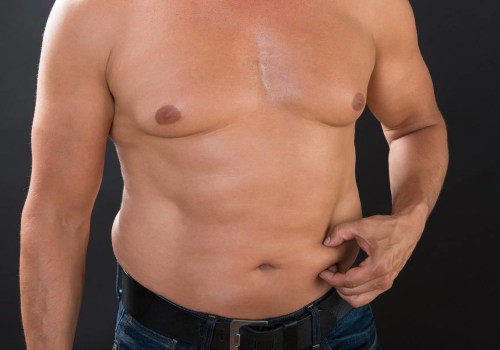
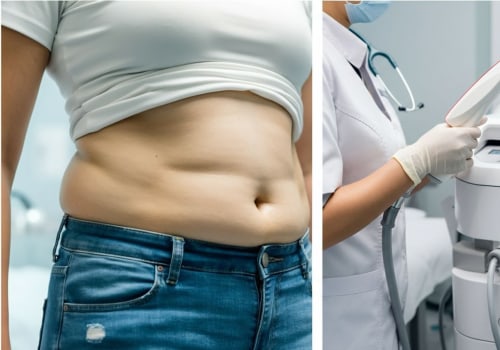
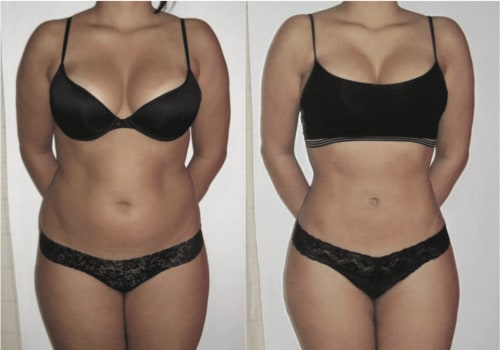
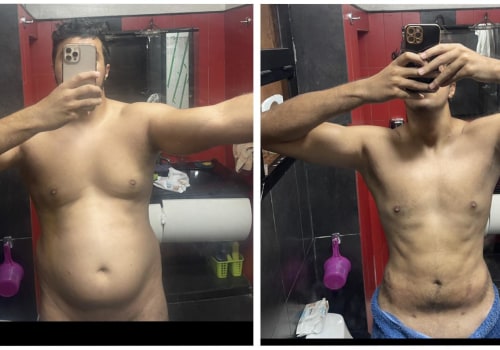
Liposuction has emerged as one of the most sought-after cosmetic surgerycosmetic surgery procedures in recent years, captivating individuals who aspire to achieve a more sculpted and contoured physique. This innovative technique is designed to target and eliminate stubborn fat deposits that often resist diet and exercise, providing patients with a renewed sense of confidence and body image. As a minimally invasive procedure, liposuction offers a transformative solution for those looking to refine their body shape, making it a popular choice among both men and women.The primary purpose of liposuction is to enhance body contours by removing excess fat from specific areas, such as the abdomen, thighs, hips, arms, and neck. By doing so, it not only improves aesthetic appeal but also contributes to overall health by reducing fat-related health risks.
However, it is crucial to understand that liposuction is not a weight-loss solution; rather, it is intended for individuals who are close to their ideal weight but struggle with localized fat deposits. This distinction is vital for setting realistic expectations and ensuring patient satisfaction.As we delve deeper into the topic of liposuction, it becomes essential to discuss the safe limits of fat removal. While the allure of significant fat loss can be tempting, adhering to established medical guidelines is paramount for ensuring patient safety and optimal recovery. Understanding these limits not only helps in achieving desired results but also mitigates potential risks associated with excessive fat removal.
In the following sections, we will explore the factors that influence safe fat removal during liposuction procedures and how they contribute to successful outcomes.
What is Liposuction?
Liposuction
is a popular cosmetic surgical procedure designed to remove stubborn fat deposits from various areas of the body. It is particularly effective for individuals who struggle with localized fat that does not respond to diet and exercise. The procedure aims to enhance body contours and improve overall appearance, making it a sought-after option for many.The liposuction procedure typically involves the use of a thin, hollow tube called a cannula, which is inserted through small incisions in the skin. The surgeon then uses the cannula to suction out excess fat from targeted areas.
This process not only removes fat but also helps to sculpt the body, providing a more defined silhouette.There are several types of liposuction techniques available, each with its unique approach and benefits:
- Tumescent Liposuction: This is the most common technique, where a solution containing saline, lidocaine, and epinephrine is injected into the treatment area. This solution helps to numb the area and reduce bleeding, making the procedure safer and more comfortable.
- Ultrasound-Assisted Liposuction (UAL): This method uses ultrasound energy to liquefy fat cells before they are suctioned out. This technique can be particularly effective for removing larger volumes of fat and is often used in areas with denser fat.
- Laser-Assisted Liposuction (LAL): Similar to UAL, this technique employs laser energy to melt fat cells. The advantage of LAL is that it can also stimulate collagen production, potentially improving skin tightness post-procedure.
- Power-Assisted Liposuction (PAL):Power-Assisted Liposuction (PAL): In this method, a mechanized cannula vibrates rapidly, making it easier for the surgeon to remove fat with less effort.
This can lead to quicker procedures and reduced trauma to surrounding tissues.
The Importance of Safe Fat Removal Limits
Understanding the safe limits of fat removal during liposuction is crucial for both patients and surgeons. These limits are not arbitrary; they are based on extensive research and clinical experience aimed at minimising risks and ensuring patient safety.Exceeding these limits can lead to a range of complications that may jeopardise the health and well-being of the individual undergoing the procedure.One of the primary reasons for establishing safe fat removal limits is to prevent complications associated with excessive fat extraction. When too much fat is removed in a single session, patients may experience:
- Fluid Imbalance: Removing large volumes of fat can disrupt the body's fluid balance, leading to dehydration or fluid overload, which can strain the heart and other organs.
- Infection: The risk of infection increases with larger incisions and more extensive tissue manipulation, which can occur when excessive fat is removed.
- Seroma Formation: This condition involves the accumulation of fluid in the surgical area, which can lead to swelling and discomfort, requiring additional procedures to drain.
- Blood Clots: The risk of deep vein thrombosis (DVT) rises with prolonged surgery times and significant fat removal, potentially leading to life-threatening complications.
Patients who undergo excessive fat removal may face longer recovery times, increased pain, and a higher likelihood of complications. Therefore, adhering to established safe limits not only enhances patient safety but also contributes to a smoother recovery experience.In conclusion, while liposuction can effectively reshape the body by removing stubborn fat deposits, it is imperative to respect the safe limits of fat removal. By doing so, both patients and surgeons can work together to achieve optimal results while minimising potential risks and complications associated with this popular cosmetic procedure.
Guidelines for Safe Fat Removal in Liposuction
When considering liposuction, understanding the guidelines for safe fat removal is crucial for both patients and practitioners. The American Society of Plastic Surgeons (ASPS) provides comprehensive recommendations to ensure that the procedure is performed safely and effectively.According to the ASPS, the maximum amount of fat that can be safely removed in a single liposuction session is typically around 5 litres , which is approximately 11 pounds.This limit is established to mitigate potential risks associated with excessive fat removal, such as complications during surgery and prolonged recovery times.Factors influencing the safe limits of fat removal include:
- Body Mass Index (BMI): A patient's BMI plays a significant role in determining how much fat can be safely extracted. Generally, individuals with a higher BMI may tolerate larger volumes of fat removal compared to those with a lower BMI.
- Treatment Area: The specific area being treated also affects the volume of fat that can be removed. For instance, larger areas like the abdomen may allow for more fat extraction than smaller areas such as the arms or chin.
- Overall Health: A patient’s health status prior to surgery is paramount. Those with underlying health conditions may have stricter limits on fat removal to avoid complications.
This personalised approach ensures that safety remains a priority while achieving aesthetic goals.Moreover, it is important to note that removing more than 10% of a patient’s total body fat in one session can significantly increase the risk of complications. Therefore, surgeons must carefully evaluate each case and adhere to established guidelines to promote optimal outcomes.In summary, adhering to the ASPS guidelines for safe fat removal during liposuction not only enhances patient safety but also contributes to more satisfactory results. Patients should always prioritise safety over volume when considering this transformative procedure.
Factors Influencing Safe Fat Removal Limits
When considering liposuction, it is crucial to understand the various factors that influence the safe limits of fat removal. Each patient presents a unique set of circumstances that can affect the outcome and safety of the procedure.Here are some key factors to consider:
- Body Mass Index (BMI): BMI is a significant indicator of a patient's overall health and body composition. Generally, patients with a higher BMI may have more fat to remove, but this also increases the risk of complications. Surgeons often use BMI as a guideline to determine how much fat can be safely extracted. For instance, while a patient with a BMI of 25 may safely have around 5 litres removed, a patient with a BMI of 30 or higher may be considered for more extensive fat removal, provided they are in good health.
- Overall Health Status: A patient's general health plays a vital role in determining safe fat removal limits.
Factors such as pre-existing medical conditions (e.g., diabetes, heart disease), age, and lifestyle choices (like smoking or alcohol consumption) can significantly impact recovery and the body's ability to handle surgical stress. A thorough pre-operative assessment is essential to evaluate these factors.
- Treatment Area: The specific area being treated also influences how much fat can be safely removed. Some regions of the body, such as the abdomen or thighs, may tolerate larger volumes of fat removal compared to more delicate areas like the arms or neck. The surgeon's experience and technique will also dictate how much fat can be safely extracted from each area.
- Patient Goals: Understanding the patient's aesthetic goals is crucial in determining safe limits for fat removal.
While some patients may desire significant changes, it is essential to balance these desires with safety considerations. A skilled surgeon will guide patients on realistic expectations based on their individual circumstances.
Advanced Techniques in Liposuction: High-Volume Liposuction
In recent years, the field of liposuction has evolved significantly, with advanced techniques such as high-volume liposuction gaining prominence. This method allows for the removal of larger quantities of fat compared to traditional liposuction, while prioritising patient safety and minimising complications.Understanding High-Volume Liposuction
High-volume liposuction is designed for patients who have substantial fat deposits and are seeking significant body contouring.
Unlike conventional liposuction, which typically limits fat removal to around 5,000 ml, high-volume techniques can safely extract more fat in a single session. This is particularly beneficial for individuals with obesity or those who have not achieved desired results through diet and exercise alone.
Techniques Used in High-Volume Liposuction
- Tumescent Technique: This involves injecting a solution containing saline, lidocaine, and epinephrine into the treatment area. The solution helps to numb the area and constrict blood vessels, reducing bleeding and swelling during the procedure.
- Power-Assisted Liposuction (PAL): This technique uses a vibrating cannula that makes fat removal easier and more efficient. The vibrations help break down fat cells, allowing for larger volumes to be removed with less trauma to surrounding tissues.
- Ultrasound-Assisted Liposuction (UAL): This method employs ultrasound energy to liquefy fat before extraction.
It is particularly effective in fibrous areas of the body, such as the back or male breast tissue.
Safety Considerations
While high-volume liposuction offers the advantage of removing more fat in one session, it is crucial to approach this technique with caution. The safety of high-volume procedures hinges on several factors:
- Patient Selection: Not all patients are suitable candidates for high-volume liposuction. Factors such as overall health, body mass index (BMI), and specific treatment goals must be evaluated during the consultation process.
- Surgical Environment: Performing high-volume liposuction requires a well-equipped surgical facility with experienced staff. Monitoring during and after the procedure is essential to manage any potential complications.
- Post-Operative Care: Adequate post-operative care is vital for recovery.
Patients must follow their surgeon's instructions closely to ensure optimal healing and results.
Understanding Patient-Specific Considerations
When considering liposuction, it is crucial to understand that each patient presents unique characteristics that significantly influence the procedure's safety and effectiveness. A thorough pre-operative assessment is essential for tailoring a personalized treatment plan that aligns with the individual’s specific needs and goals.Several key factors are evaluated during this assessment:- Body Mass Index (BMI): The BMI is a critical metric used to gauge a patient’s overall health and suitability for liposuction. Patients with a higher BMI may face increased risks during surgery, and surgeons often recommend weight loss prior to the procedure to enhance safety and outcomes.
- Fat Distribution: The location and amount of fat deposits vary from person to person.
Understanding where fat is concentrated helps surgeons determine the most effective areas for treatment, ensuring a balanced and aesthetically pleasing result.
- Skin Elasticity: The condition of the skin plays a vital role in the recovery process. Patients with good skin elasticity may achieve better results post-liposuction, as their skin can more effectively conform to the new body contours.
- Medical History: A comprehensive review of the patient’s medical history, including any pre-existing conditions or medications, is essential. Certain health issues may contraindicate liposuction or require special precautions during the procedure.
- Patient Goals: Understanding what the patient hopes to achieve through liposuction is fundamental. This includes discussing realistic expectations regarding fat removal and body contouring, which helps in setting achievable goals.
For instance, patients who are committed to a healthy lifestyle are more likely to maintain their new shape after surgery.Ultimately, a personalized approach not only enhances safety but also optimizes results. By taking into account these individual considerations, surgeons can establish safe limits for fat removal tailored specifically to each patient, ensuring that the procedure aligns with their unique body composition and health profile.
Post-Operative Care and Recovery After Liposuction
Recovering from liposuction is a crucial phase that significantly impacts the overall results of the procedure. Proper post-operative care not only aids in healing but also helps in achieving the desired body contour. Here are some essential tips and guidelines to ensure a smooth recovery process.Follow Your Surgeon’s Instructions
One of the most important aspects of recovery is adhering to the specific instructions provided by your surgeon.These guidelines are tailored to your individual needs and may include:
- Medication: Take prescribed pain relief and antibiotics as directed to manage discomfort and prevent infection.
- Activity Restrictions: Avoid strenuous activities, heavy lifting, and vigorous exercise for at least two weeks post-surgery.
- Follow-Up Appointments: Attend all scheduled follow-up visits to monitor your healing progress.
Manage Swelling and Bruising
Swelling and bruising are common after liposuction. To manage these symptoms effectively:- Compression Garments: Wear the recommended compression garment continuously for the first few weeks. This helps reduce swelling and supports your new body shape.
- Icing: Apply ice packs to the treated areas for short intervals to alleviate swelling and discomfort.
- Hydration: Drink plenty of water to help flush out toxins and reduce swelling.
Nutrition and Rest
A balanced diet plays a vital role in recovery. Focus on:- Nutrient-Rich Foods: Incorporate fruits, vegetables, lean proteins, and whole grains into your meals to promote healing.
- Avoiding Alcohol and Smoking: Both can hinder the healing process, so it’s best to abstain during recovery.
- Rest: Ensure you get adequate sleep each night, as this is when your body repairs itself.
It’s essential to be patient with your body as it heals. By following these post-operative care tips diligently, you can enhance your recovery experience and achieve optimal results from your liposuction procedure.
Common Myths About Liposuction and Fat Removal Limits
Liposuction is often surrounded by a cloud of myths and misconceptions that can lead to misunderstandings about the procedure and its safety. Addressing these myths is crucial for potential patients to make informed decisions regarding their body contouring options.Myth 1: Liposuction is a Weight Loss Solution
One of the most prevalent misconceptions is that liposuction is a method for significant weight loss. In reality, liposuction is designed to target specific areas of stubborn fat that do not respond to diet and exercise.
The procedure is not intended for those who are significantly overweight or seeking to lose large amounts of weight. Instead, it is best suited for individuals who are close to their ideal body weight but wish to enhance their body shape.
Myth 2: There Are No Limits to Fat Removal
Another common myth is that there are no restrictions on how much fat can be removed during a single liposuction session. In fact, medical guidelines recommend that no more than 5,000 ml (approximately 11 pounds) of fat should be removed in one procedure to ensure patient safety. Exceeding this limit can increase the risk of complications, including fluid imbalance and prolonged recovery times.
Myth 3: Liposuction Results Are Permanent
While liposuction can provide long-lasting results, it is essential to understand that the remaining fat cells can still expand if a healthy lifestyle is not maintained post-procedure.
Patients must commit to a balanced diet and regular exercise to preserve their results. Liposuction does not prevent future weight gain; it merely removes existing fat deposits.
Myth 4: Liposuction Is a Quick Fix
Some individuals believe that liposuction offers an easy solution to achieving their desired body shape without effort. However, it is important to recognise that liposuction is a surgical procedure that requires careful planning, recovery time, and adherence to post-operative care instructions. Patients should approach the procedure with realistic expectations and an understanding of the commitment involved in maintaining their results.
Myth 5: All Liposuction Techniques Are the Same
Not all liposuction techniques are created equal.
Various methods exist, such as tumescent liposuction, ultrasound-assisted liposuction (VASER), and laser-assisted liposuction. Each technique has its own advantages and limitations, which can affect the amount of fat safely removed and the overall recovery experience. Consulting with a qualified plastic surgeon can help patients determine the most suitable approach for their individual needs.By debunking these myths, potential patients can gain a clearer understanding of what liposuction entails and what they can realistically expect from the procedure. This knowledge empowers them to make informed choices about their body and health.
Conclusion: Key Takeaways on Safe Fat Removal in Liposuction Procedures
In summary, understanding the safe limits of fat removal during liposuction procedures is crucial for anyone considering this transformative surgery.The guidelines established by medical professionals, including the American Society of Plastic Surgeons , suggest that a maximum of 5 to 6 litres of fat can be safely removed in a single session. This limit is not arbitrary; it is designed to minimise risks and ensure a smoother recovery process.Several factors influence the amount of fat that can be safely extracted, including:
- Body Mass Index (BMI) : Patients with higher BMI may have different thresholds for safe fat removal.
- Treatment Area : The specific area being treated can affect how much fat can be removed without compromising safety.
- Overall Health : A patient’s health status prior to surgery plays a significant role in determining safe limits.
By doing so, they can achieve their desired outcomes while prioritising their health and well-being.