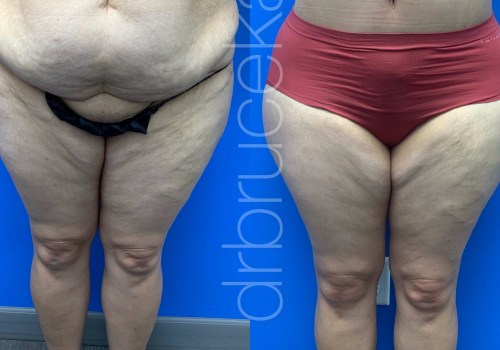
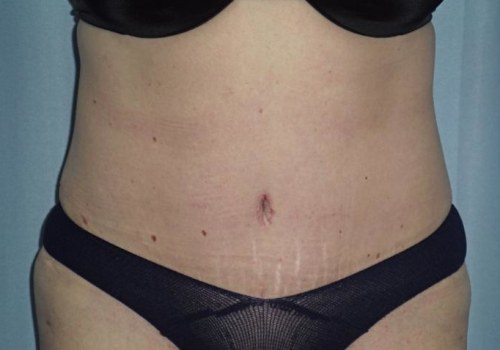
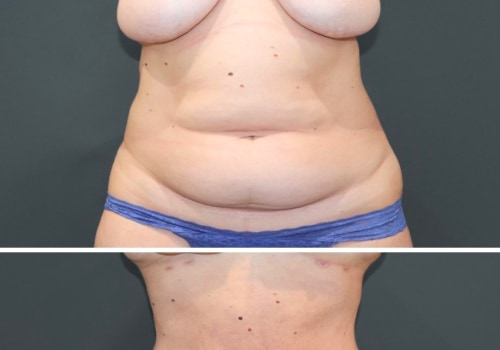
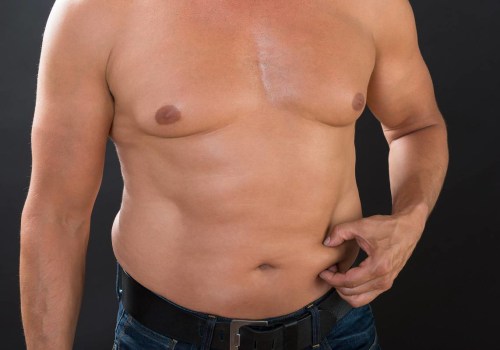
Liposuction is a popular cosmetic surgery procedure designed to remove unwanted fat deposits from specific areas of the body, enhancing overall body contour and shape. This technique has gained significant traction in the UK, as individuals seek to achieve their desired aesthetic goals. Unlike traditional weight loss methods, liposuction is not intended for those looking to shed pounds but rather for those who wish to sculpt their bodies by targeting stubborn fat that resists diet and exercise.The significance of liposuction in the realm of Liposuction is a popular cosmetic surgery procedure designed to remove unwanted fat deposits from specific areas of the body, enhancing overall body contour and shape. This technique has gained significant traction in the UK, as individuals seek to achieve their desired aesthetic goals. Unlike traditional weight loss methods, liposuction is not intended for those looking to shed pounds but rather for those who wish to sculpt their bodies by targeting stubborn fat that resists diet and exercise.The significance of liposuction in the realm of cosmetic surgery cannot be overstated. It offers a solution for individuals who may be at or near their ideal weight but struggle with localized fat deposits that can affect their self-esteem and body image.
Common treatment areas include the abdomen, thighs, hips, buttocks, arms, and neck. By removing these fat cells, patients often experience a boost in confidence and satisfaction with their appearance.However, it is crucial to understand that liposuction is not a one-size-fits-all solution. The amount of fat that can be safely removed varies from person to person and depends on several factors, including the patient's overall health, body mass index (BMI), and skin elasticity. Therefore, a thorough consultation with a qualified cosmetic surgeon is essential to determine the most appropriate approach tailored to individual needs.As we delve deeper into the specifics of liposuction, it is important to set realistic expectations regarding the outcomes and limitations of this procedure.
While it can effectively reshape the body, maintaining a healthy lifestyle post-surgery is vital for achieving long-lasting results. Understanding these aspects will empower potential patients to make informed decisions about their cosmetic journey.
What is Liposuction?
Liposuction
is a popular cosmetic surgical procedure designed to remove excess fat from specific areas of the body, helping to achieve a more contoured and aesthetically pleasing appearance. It is important to note that liposuction is not a weight loss solution; rather, it is intended for individuals who are close to their ideal weight but struggle with stubborn fat deposits that do not respond to diet and exercise.The liposuction procedure involves the use of a thin tube called a cannula, which is inserted through small incisions in the skin. The cannula is connected to a vacuum device that suctions out the unwanted fat.
This technique allows for precise targeting of fat deposits, resulting in smoother body contours.There are several types of liposuction techniques available, each with its own unique advantages:
- Tumescent Liposuction: This is the most common technique, where a solution containing saline, lidocaine, and epinephrine is injected into the treatment area. This solution helps to numb the area and reduce bleeding, making the procedure safer and more comfortable.
- Ultrasound-Assisted Liposuction (UAL): This method uses ultrasound energy to liquefy fat cells before they are suctioned out. UAL can be particularly effective for removing larger volumes of fat and is often used in areas with denser fat deposits.
- Laser-Assisted Liposuction (LAL): Similar to UAL, this technique employs laser energy to melt fat cells. The liquefied fat can then be easily removed through suction.
LAL may also promote skin tightening due to the heat generated by the laser.
- Power-Assisted Liposuction (PAL): In this technique, a mechanised cannula vibrates rapidly, making it easier for the surgeon to remove fat with less effort. This can lead to quicker procedures and reduced trauma to surrounding tissues.
Factors Influencing Fat Removal in Liposuction
When considering liposuction, it is essential to understand that the amount of fat that can be safely removed is influenced by several key factors.These factors not only determine the effectiveness of the procedure but also play a crucial role in ensuring patient safety and achieving optimal results.
Patient Health
The overall health of the patient is a primary consideration. Individuals with pre-existing medical conditions, such as diabetes, heart disease, or blood clotting disorders, may face increased risks during and after the procedure. A thorough medical evaluation is necessary to assess these risks and determine if liposuction is a suitable option.Body Mass Index (BMI)
Body Mass Index (BMI)
is a significant factor in determining how much fat can be removed during liposuction. Patients with a higher BMI may have more fat to remove; however, surgeons often recommend that individuals with a BMI over 30 consider weight loss through diet and exercise before undergoing liposuction.
This is because higher BMI levels can lead to complications and may affect the skin's ability to retract after fat removal.
Skin Elasticity
The elasticity of the skin is another critical factor influencing fat removal limits. Patients with good skin elasticity are more likely to achieve smooth and contoured results post-surgery. In contrast, those with poor skin elasticity, often due to age or significant weight loss, may experience sagging skin after fat removal. Surgeons may recommend additional procedures, such as a tummy tuck or skin tightening treatments, to address these concerns.Fat Distribution
The distribution of fat in the body also plays a role in determining how much can be safely removed.Areas with denser fat deposits may allow for more significant removal compared to areas where fat is more evenly distributed. Surgeons typically assess these areas during consultations to create a tailored treatment plan.
Realistic Expectations
Lastly, it is vital for patients to have realistic expectations regarding the outcomes of liposuction. Understanding that this procedure is not a weight-loss solution but rather a body contouring method can help patients set achievable goals. A consultation with a qualified cosmetic surgeon will provide insights into what can be accomplished based on individual circumstances.Maximum Amount of Fat That Can Be Removed
When considering liposuction, one of the most critical aspects to understand is the maximum amount of fat that can be safely removed during a single procedure.In the UK, health authorities and cosmetic surgery guidelines provide specific recommendations to ensure patient safety and optimal outcomes.Generally, the consensus among experienced surgeons is that a maximum of 5 litres (approximately 11 pounds ) of fat can be removed in a single session. This limit is not arbitrary; it is based on extensive research and clinical experience aimed at minimizing risks associated with excessive fat removal.Removing more than this amount can lead to significant complications, including:
- Fluid Imbalance: The body relies on a delicate balance of fluids. Excessive fat removal can disrupt this balance, leading to dehydration or other serious health issues.
- Increased Risk of Complications: Higher volumes of fat extraction are associated with a greater likelihood of complications such as bleeding, infection, and delayed healing.
- Skin Elasticity Issues: Patients with poor skin elasticity may not achieve the desired aesthetic results if too much fat is removed, leading to sagging skin.
It is essential for patients to have realistic expectations regarding the outcomes and limitations of liposuction.In conclusion, while liposuction can effectively remove unwanted fat and enhance body contours, adhering to established guidelines regarding the maximum amount of fat that can be safely extracted is crucial for ensuring patient safety and achieving satisfactory results. Always consult with a qualified cosmetic surgeon to discuss your individual circumstances and goals before proceeding with the procedure.
Risks and Complications of Excessive Fat Removal
While liposuction can be an effective method for body contouring, it is crucial to understand the risks and complications associated with the procedure, particularly when excessive fat is removed. The desire for a slimmer silhouette can sometimes lead patients to seek more aggressive fat removal, which can result in serious health issues.One of the primary concerns with removing too much fat during liposuction is the potential for fluid imbalance. The human body relies on a delicate balance of fluids, and removing large volumes of fat can disrupt this equilibrium.This disruption may lead to complications such as:
- Hypovolemia: A significant drop in blood volume can occur, leading to symptoms like dizziness, fainting, and in severe cases, shock.
- Electrolyte Imbalance: The removal of excess fat can also affect electrolyte levels, which are vital for muscle function and overall health.
- Delayed Healing: Areas of skin may take longer to heal or may not heal properly at all.
- Scarring: Poor healing can lead to unsightly scars that may require further surgical intervention.
Infection
is another serious complication that can arise from excessive fat removal. The risk of infection increases when larger incisions are made or when the body's natural defenses are compromised due to fluid loss.
Symptoms of infection include:
- Pain and swelling at the incision site
- Fever and chills
- Pus or unusual discharge from the surgical site
Realistic Expectations for Liposuction Results
When considering liposuction, it is essential for patients to have realistic expectations regarding the outcomes of the procedure.While liposuction can effectively remove stubborn fat deposits and enhance body contours, it is not a miracle solution for weight loss or a substitute for a healthy lifestyle.Patients should understand that the results of liposuction will vary based on several factors, including:
- Body Type: Individual anatomy plays a significant role in how the body responds to liposuction. Some patients may notice more dramatic changes than others.
- Amount of Fat Removed: The volume of fat extracted during the procedure can influence the final appearance. As mentioned earlier, a maximum of 5 litres is generally recommended to avoid complications.
- Skin Elasticity: The condition of the skin can affect how well it conforms to the new body shape post-surgery. Patients with good skin elasticity may achieve smoother results.
- Post-Operative Care: Following the surgeon's post-operative instructions is crucial for optimal healing and results.
These effects are normal and typically subside within a few weeks. However, the final results may take up to six months to fully materialise as the body heals and adjusts to its new contours.To maintain the results achieved through liposuction, patients should adopt a healthy lifestyle that includes:
- Balanced Diet: Consuming a nutritious diet rich in fruits, vegetables, lean proteins, and whole grains can help prevent weight gain and support overall health.
- Regular Exercise: Engaging in regular physical activity not only helps maintain weight but also enhances muscle tone and overall body shape.
- Avoiding Weight Fluctuations: Significant weight gain after liposuction can lead to enlarged remaining fat cells, which may compromise the results. Maintaining a stable weight is vital for long-term satisfaction.
Liposuction as Part of a Comprehensive Body Contouring Plan
Liposuction is often viewed as a standalone procedure, but its true potential is realised when it is integrated into a comprehensive body contouring plan.This holistic approach not only enhances the aesthetic results but also addresses the unique needs and goals of each patient.When considering body contouring options , it is essential to evaluate how liposuction can complement other surgical and non-surgical procedures. For instance, patients who have experienced significant weight loss may find that while liposuction effectively removes stubborn fat deposits, they may also require skin tightening procedures such as a tummy tuck or thigh lift to achieve optimal results. These additional surgeries can help to remove excess skin and improve overall body shape, creating a more harmonious appearance.Combining liposuction with other treatments can also enhance recovery and results. For example, fat transfer techniques allow for the harvested fat from liposuction to be reinjected into areas that may benefit from added volume, such as the breasts or buttocks.
This dual approach not only maximises the use of fat but also provides a natural enhancement that synthetic fillers cannot replicate.Moreover, non-invasive options like CoolSculpting or radiofrequency treatments can be used in conjunction with liposuction to target areas that may not require surgical intervention. These methods can help refine the results achieved through liposuction, ensuring a smoother and more contoured appearance.It is crucial for patients to engage in thorough consultations with their cosmetic surgeon to discuss their goals and expectations. A tailored plan that incorporates various procedures can lead to more satisfying outcomes. Surgeons will assess factors such as body type, skin elasticity, and overall health to recommend the best combination of treatments.In conclusion, viewing liposuction as part of a broader body contouring strategy allows for a more comprehensive approach to body sculpting.
By combining it with other surgical and non-surgical options, patients can achieve their desired aesthetic goals while ensuring that their results are both natural-looking and long-lasting.
Frequently Asked Questions about Liposuction
When considering liposuction, many potential patients have a range of questions and concerns. Addressing these can help demystify the procedure and ensure that individuals are well-informed before making a decision.What is liposuction?
Liposuction is a cosmetic surgical procedure designed to remove excess fat deposits from specific areas of the body. It is not intended as a weight-loss solution but rather as a means to contour and shape the body by targeting stubborn fat that does not respond to diet and exercise.
Who is an ideal candidate for liposuction?
The best candidates for liposuction are those who are at or near their ideal body weight but have localized areas of fat that they wish to reduce. Candidates should also be in good overall health, have realistic expectations, and understand that maintaining a healthy lifestyle post-procedure is crucial for long-term results.
How much fat can be safely removed during liposuction?
Typically, surgeons recommend that no more than 5 litres (approximately 5 kilograms) of fat be removed in a single session.
Exceeding this amount can lead to complications such as fluid imbalance and increased risk of surgery-related issues.
What are the risks associated with liposuction?
- Infection
- Bleeding
- Scarring
- Fluid accumulation
- Changes in skin sensation
What should I expect during recovery?
Recovery from liposuction varies by individual but generally includes swelling, bruising, and discomfort in the treated areas. Patients are usually advised to wear compression garments to aid healing and should avoid strenuous activities for several weeks. Full results may take up to six months to become apparent as swelling subsides.
Can liposuction help with cellulite?
Liposuction is not specifically designed to treat cellulite. While it may improve the appearance of certain areas, it does not eliminate cellulite entirely.
Patients seeking treatment for cellulite may need to explore other options or combine treatments for optimal results.By addressing these common questions, potential patients can feel more confident in their understanding of liposuction and make informed decisions about their body contouring goals.
Conclusion: Key Takeaways on Liposuction Fat Removal Limits
In summary, understanding the maximum amount of fat that can be safely removed during liposuction is crucial for anyone considering this cosmetic procedure. While the allure of significant fat loss can be tempting, it is essential to approach liposuction with a clear understanding of its limitations and realistic expectations.As discussed, the general guideline for fat removal during a single liposuction session is around 5 litres , which equates to approximately 5 kilograms of fat. This figure serves as a benchmark, but individual circumstances can lead to variations based on factors such as:- Patient's Body Mass Index (BMI): A higher BMI may necessitate a more cautious approach to fat removal.
- Skin Elasticity: Patients with less elastic skin may not achieve optimal results if too much fat is removed.
- Overall Health: Pre-existing health conditions can influence the safety and effectiveness of the procedure.
Therefore, patients should focus on maintaining a healthy lifestyle post-surgery to ensure long-lasting results.In conclusion, while liposuction can effectively remove unwanted fat and improve body contours, it is imperative for potential patients to consult with a qualified cosmetic surgeon. This consultation will help establish realistic goals and ensure that the chosen approach aligns with their individual needs and health considerations. By doing so, patients can enjoy the benefits of liposuction while minimising risks and maximising satisfaction with their results.