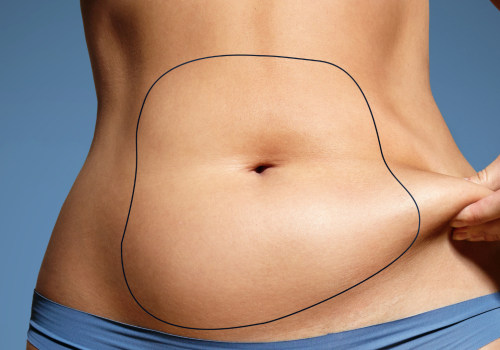
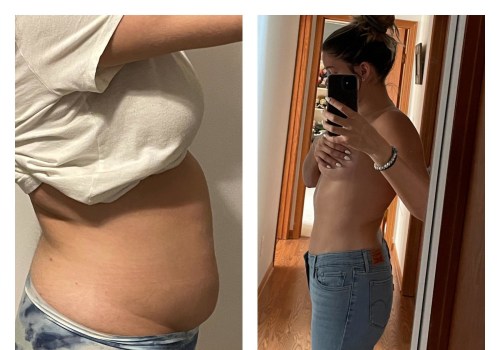
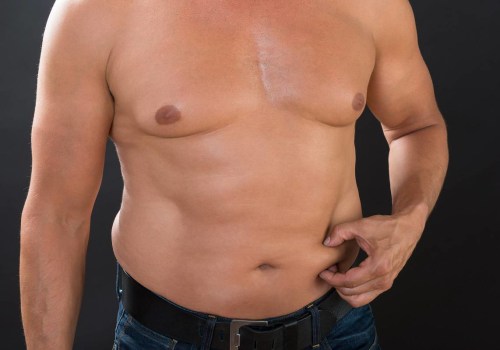
Liposuction is a widely sought-after cosmetic surgerycosmetic surgery procedure designed to remove stubborn fat deposits from various areas of the body. Unlike traditional weight loss methods, which often require significant lifestyle changes and time, procedure designed to remove stubborn fat deposits from various areas of the body. Unlike traditional weight loss methods, which often require significant lifestyle changes and time, Lipo treatmentsLipo treatments offer a more immediate solution for those looking to enhance their body contours. This procedure is particularly effective for individuals who have tried diet and exercise but still struggle with localized fat that resists these efforts. Common treatment areas include the abdomen, thighs, arms, and neck, allowing patients to achieve a more sculpted appearance. Despite its popularity, there are several misconceptions surrounding Lipo treatments that can lead to unrealistic expectations. Many people mistakenly believe that liposuction is a weight loss solution rather than a body contouring technique.
In reality, while it can remove fat, it is not intended for significant weight reduction. The primary goal of liposuction is to target specific areas of fat that are often resistant to diet and exercise, helping to create a more balanced and aesthetically pleasing silhouette.Understanding the safe limits of fat removal through liposuction is crucial for anyone considering this procedure. The amount of fat that can be safely extracted varies based on individual factors such as body mass index (BMI), overall health, and skin elasticity. Consulting with a qualified plastic surgeon is essential to determine the appropriate approach tailored to each patient's unique needs and goals.
This ensures not only optimal results but also minimizes the risk of complications associated with excessive fat removal.
What is Liposuction?
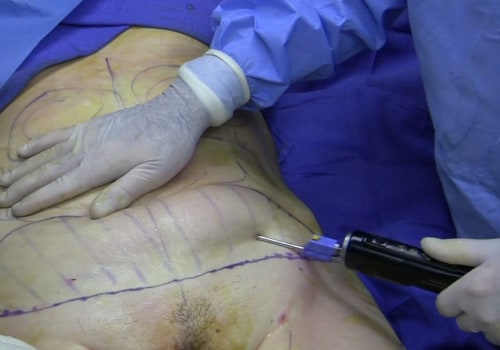
Liposuction is a popular cosmetic surgical procedure designed to remove excess fat from specific areas of the body, helping to contour and shape the physique. It is particularly effective for individuals who struggle with stubborn fat deposits that do not respond to diet and exercise. While many people associate liposuction with significant weight loss, it is essential to understand that the primary goal of this procedure is body sculpting rather than weight reduction.The liposuction procedure typically involves the use of a thin tube called a cannula, which is inserted through small incisions in the skin. The surgeon then uses this cannula to suction out fat from targeted areas, such as the abdomen, thighs, buttocks, arms, and neck.The process can be performed under local or general anaesthesia, depending on the extent of the treatment and the patient's preference.There are several types of liposuction techniques available, each with its unique approach and benefits:
- Tumescent Liposuction: This is the most common technique, where a solution containing saline, anaesthetic, and epinephrine is injected into the fatty tissue before fat removal. This method helps to minimise pain and bleeding during the procedure.
- Ultrasound-Assisted Liposuction (UAL): This technique uses ultrasound energy to liquefy fat cells before they are suctioned out. UAL can be particularly effective for fibrous areas of the body.
- Laser-Assisted Liposuction (LAL): Similar to UAL, this method employs laser energy to melt fat cells, making them easier to remove. LAL also promotes skin tightening due to the heat generated by the laser.
- Suction-Assisted Liposuction (SAL): This traditional method relies solely on suction to remove fat without any additional techniques.
It is effective but may require larger incisions compared to other methods.
The Safe Limits of Fat Removal
When considering liposuction, understanding the safe limits of fat removal is crucial for both achieving desired results and ensuring patient safety. The American Society of Plastic Surgeons (ASPS) provides guidelines that help define these limits, which are essential for both patients and surgeons to consider.The ASPS recommends that the maximum amount of fat that can be safely removed during a single , understanding the safe limits of fat removal is crucial for both achieving desired results and ensuring patient safety. The American Society of Plastic Surgeons (ASPS) provides guidelines that help define these limits, which are essential for both patients and surgeons to consider.The ASPS recommends that the maximum amount of fat that can be safely removed during a single liposuction procedure is approximately 5 litres, which translates to about 11 pounds.However, this figure is not universally applicable to all patients. Individual factors such as body mass index (BMI), overall health, and the specific areas being treated play a significant role in determining how much fat can be safely extracted.For instance, a patient with a higher BMI may be able to tolerate the removal of more fat compared to someone with a lower BMI. This is due to the relative volume threshold concept, which takes into account the patient's body composition and health status. For example:
- A patient weighing 50 kg may find that removing even 1 litre of fat could be excessive.
- Conversely, a patient weighing 100 kg might safely undergo the removal of up to 4 litres without significant risk.
Therefore, it is vital for patients to have thorough consultations with their board-certified plastic surgeons. During these consultations, surgeons will assess individual health profiles and discuss realistic expectations regarding liposuction outcomes.Ultimately, while liposuction can effectively remove stubborn fat deposits from various areas of the body, it should not be viewed as a weight-loss solution. Instead, it serves as a body contouring procedure aimed at enhancing one’s physique by targeting specific problem areas such as the abdomen, thighs, and arms.In conclusion, understanding the safe limits for fat removal during liposuction is essential for achieving optimal results while minimising risks. Always consult with a qualified plastic surgeon who can provide personalised advice based on your unique circumstances.
Factors Influencing Fat Removal Limits
When considering liposuction, it is essential to understand that several factors can significantly influence the amount of fat that can be safely removed during the procedure.These factors include body mass index (BMI), overall health, skin elasticity, and the specific treatment area targeted for fat removal.
Body Mass Index (BMI)
BMI is a critical metric used to assess whether a person has a healthy body weight in relation to their height. It plays a significant role in determining the safe limits for fat removal through liposuction. Generally, patients with a higher BMI may have more fat available for removal; however, this does not mean that they can safely undergo extensive fat extraction. For instance, while a patient with a BMI of 30 may have more fat than someone with a BMI of 25, the risks associated with removing large volumes of fat increase with higher BMI levels.Surgeons often use BMI as a guideline to establish safe limits for each individual.
Overall Health
A patient’s overall health is another crucial factor influencing liposuction outcomes. Individuals with pre-existing health conditions such as diabetes, heart disease, or respiratory issues may face increased risks during and after the procedure. A thorough medical evaluation is necessary to ensure that patients are fit for surgery. Surgeons will assess factors such as blood pressure, heart function, and any medications being taken to determine if liposuction is appropriate and how much fat can be safely removed.Skin Elasticity
The condition of the skin in the treatment area also affects how much fat can be removed.Patients with good skin elasticity are more likely to experience better results post-surgery, as their skin can retract effectively after fat removal. Conversely, individuals with poor skin elasticity may not achieve the desired contouring effects, even if significant amounts of fat are extracted. This is particularly relevant for areas like the abdomen or thighs, where skin laxity can be more pronounced.
Treatment Area
The specific area targeted for liposuction also influences the volume of fat that can be safely removed. Different body parts have varying amounts of fat deposits and different anatomical considerations.For example, areas like the abdomen or thighs may allow for more substantial fat removal compared to smaller areas like the arms or chin. Surgeons will evaluate these factors during consultations to provide realistic expectations regarding potential outcomes.In conclusion, understanding these individual considerations is vital for anyone contemplating liposuction. A comprehensive consultation with a qualified plastic surgeon will help determine the safest and most effective approach tailored to each patient's unique circumstances.
Understanding Volume vs. Weight in Liposuction
When discussing liposuction, it is essential to differentiate between the concepts of volume and weight, as they play a crucial role in understanding the outcomes of the procedure.While many patients may focus on the weight of fat removed, it is the volume that truly reflects the effectiveness and aesthetic results of liposuction.
Volume vs. Weight
In the context of liposuction, volume refers to the amount of fat extracted, typically measured in litres or millilitres, whereas weight is a measure of how heavy that fat is, usually expressed in pounds or kilograms. The distinction is significant because fat density can vary from person to person and even within different areas of the body. For instance, a litre of fat may weigh approximately 0.9 kilograms (or about 2 pounds), but this can fluctuate based on individual body composition.
Why Volume Matters More
Focusing on volume rather than weight is crucial for several reasons:
- Aesthetic Goals: The primary aim of liposuction is to contour and shape the body rather than achieve a specific weight loss target.
By concentrating on the volume of fat removed, surgeons can better meet patients' aesthetic goals.
- Fat Distribution: Different areas of the body may have varying amounts of fat density. For example, abdominal fat may be denser than fat in the thighs. Therefore, removing a specific volume from one area may yield different visual results compared to another area.
- Safety Considerations: Surgeons often adhere to strict guidelines regarding the maximum volume that can be safely removed during a single procedure. This approach prioritises patient safety and minimises risks associated with excessive fat removal.
Conclusion
In summary, while patients may be inclined to think in terms of weight when considering liposuction, understanding the importance of volume provides a clearer picture of what to expect from the procedure.
By focusing on the volume of fat extracted, both patients and surgeons can work together to achieve optimal results that align with individual body goals and safety standards.
Risks and Complications of Excessive Fat Removal
While liposuction is a widely accepted cosmetic procedure for body contouring, it is crucial to understand the risks and complications associated with excessive fat removal. Exceeding the recommended limits can lead to serious health issues that may compromise the overall success of the surgery and the well-being of the patient.One of the primary concerns with removing too much fat during a single liposuction session is the potential for fluid imbalance. The body relies on a delicate balance of fluids, and excessive fat removal can disrupt this equilibrium, leading to complications such as:- Hypovolemia: A significant drop in blood volume can occur, resulting in low blood pressure and inadequate blood flow to vital organs.
- Shock: In severe cases, patients may experience shock, which is a life-threatening condition requiring immediate medical attention.
- Dehydration: Excessive fluid loss can lead to dehydration, causing symptoms like dizziness, confusion, and fatigue.
This can result in:
- Open wounds: Areas of skin may break down and become open sores, requiring further surgical intervention.
- Scarring: The healing process may lead to unsightly scars that can affect the aesthetic outcome of the procedure.
Infection
is another significant concern. The more extensive the procedure, the higher the risk of infection at the incision sites. Signs of infection include:
- Redness and swelling: Increased inflammation around the surgical area.
- Pus or discharge: Any unusual fluid coming from the incisions should be evaluated by a healthcare professional.
They will assess your unique situation and determine a safe volume of fat that can be removed without compromising your health.In conclusion, while liposuction can provide significant aesthetic benefits, it is imperative to prioritise safety by adhering to recommended fat removal limits. Understanding these risks not only helps in making informed decisions but also ensures a smoother recovery process and optimal results.
Post-Procedure Expectations and Recovery
After undergoing liposuction, patients often have a myriad of questions regarding their recovery and what to expect in the days and weeks following the procedure. Understanding the recovery process is crucial for achieving optimal results and ensuring a smooth transition back to daily activities.Recovery Time
The initial recovery period after liposuction typically lasts about one to two weeks. During this time, patients may experience swelling, bruising, and discomfort in the treated areas.
These symptoms are normal and should gradually subside as the body heals. Most individuals can return to light activities within a few days, but it is advisable to avoid strenuous exercise or heavy lifting for at least four to six weeks.
Post-Operative Care Instructions
- Compression Garments: Patients are usually required to wear compression garments for several weeks post-surgery. These garments help reduce swelling and support the healing process by providing necessary pressure to the treated areas.
- Medication: Pain management is an essential part of recovery. Surgeons often prescribe pain relief medications to help manage discomfort during the initial healing phase.
- Hydration and Nutrition: Staying hydrated and maintaining a balanced diet can significantly aid in recovery.
Patients should focus on consuming nutrient-rich foods that promote healing.
- Follow-Up Appointments: Regular follow-up visits with the surgeon are crucial for monitoring progress and addressing any concerns that may arise during recovery.
Realistic Expectations
While liposuction can lead to significant changes in body contour, it is important for patients to have realistic expectations regarding their results. The final outcome may not be immediately visible due to swelling, which can take several weeks or even months to fully resolve. Additionally, individual results can vary based on factors such as skin elasticity, overall health, and adherence to post-operative care instructions.In summary, understanding the recovery process after liposuction is vital for achieving desired results. By following post-operative care instructions and maintaining realistic expectations, patients can enhance their recovery experience and enjoy the benefits of their newly contoured bodies.
Consultation with a Plastic Surgeon: What to Ask?
When considering liposuction, it is crucial to have a thorough consultation with a qualified plastic surgeon.This meeting is not just a formality; it is an opportunity for you to gather essential information and assess whether the surgeon is the right fit for your needs. Here are some important questions to consider asking during your consultation:
- What are your qualifications and experience?
Inquire about the surgeon's credentials, including their education, board certification, and specific experience with liposuction procedures. A surgeon who is board-certified by the American Board of Plastic Surgery (ABPS) has met rigorous standards in training and practice. - How many liposuction procedures have you performed?
Understanding the surgeon's experience level can provide insight into their expertise. Ask for statistics on their success rates and any complications that may have arisen during past surgeries. - What techniques do you use for liposuction?
Different techniques, such as tumescent liposuction or ultrasound-assisted liposuction, may be employed.Discuss the method that will be used in your case and why it is suitable for your body type and goals.
- What results can I realistically expect?
It’s essential to have realistic expectations regarding the outcomes of your procedure. Ask to see before-and-after photos of previous patients who have undergone similar treatments. - What are the potential risks and complications?
Every surgical procedure carries risks. Discuss potential complications specific to liposuction, such as infection, scarring, or uneven results, and how they can be mitigated. - What is the recovery process like?
Understanding the recovery timeline is vital for planning your post-operative care. Ask about pain management, activity restrictions, and when you can expect to return to normal activities. - What are the costs involved?
Inquire about the total cost of the procedure, including any additional fees for anaesthesia, facility use, or follow-up visits.Ensure you understand what is included in the quoted price.
Conclusion: Making Informed Decisions About Liposuction
In conclusion, understanding the safe limits for fat removal through liposuction is crucial for anyone considering this procedure. While liposuction can effectively target stubborn fat deposits and enhance body contours, it is essential to approach it with realistic expectations and a clear understanding of what the procedure entails.Throughout this article, we have highlighted several key points:- Liposuction is not a weight loss solution: It is primarily designed to sculpt and shape the body by removing localized fat deposits rather than serving as a method for significant weight reduction.
- Safe fat removal limits: The American Society of Plastic Surgeons recommends that a maximum of 5 litres can be safely removed in a single session, although individual factors such as body mass index (BMI), skin elasticity, and overall health play a significant role in determining the appropriate amount for each patient.
- Consultation is key: A thorough consultation with a board-certified plastic surgeon is vital. This allows for a personalized assessment of your body and goals, ensuring that you receive tailored advice regarding the amount of fat that can be safely removed.
- Post-operative care: Maintaining a healthy lifestyle post-surgery is essential to achieving and sustaining the desired results.
Patients should focus on stable weight management and regular exercise to complement their liposuction outcomes.