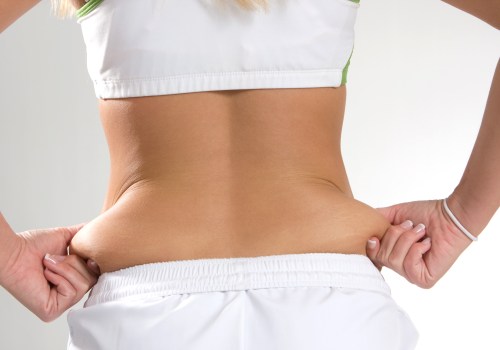
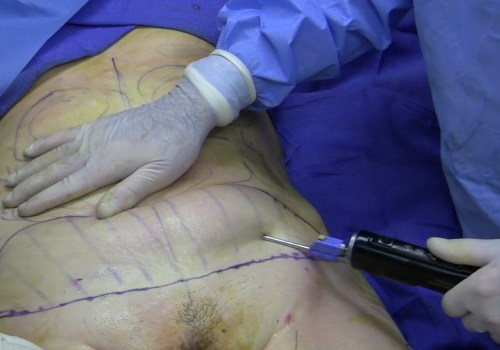
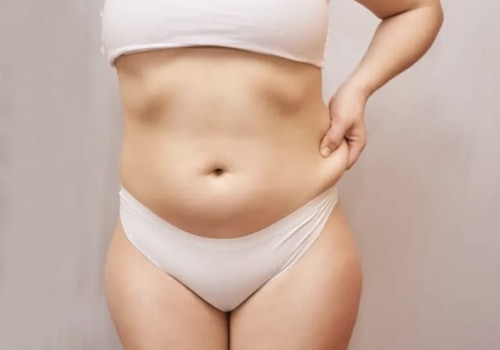
Liposuction is a popular cosmetic surgery procedure designed to remove stubborn fat deposits from various areas of the body. It is often sought after by individuals who have tried traditional weight loss methods, such as diet and exercise, but still struggle with localized fat that seems resistant to these efforts. This procedure is not merely about losing weight; rather, it focuses on sculpting and contouring the body to achieve a more aesthetically pleasing shape.The process involves the use of a thin tube called a cannula, which is inserted through small incisions in the skin. This cannula is then used to suction out excess fat cells from targeted areas, such as the abdomen, thighs, hips, arms, and neck.
The result is a smoother and more defined silhouette that can significantly enhance an individual's self-esteem and body image. However, it is essential to understand that liposuction is not a weight-loss solution for those who are significantly overweight or obese; it is intended for individuals who are close to their ideal weight but wish to eliminate specific fat pockets.As with any surgical procedure, liposuction comes with its own set of risks and considerations. Potential candidates should be well-informed about what the procedure entails, including the recovery process and expected outcomes. Consulting with a qualified cosmetic surgeon is crucial to ensure that one’s expectations align with what liposuction can realistically achieve.
This understanding sets the foundation for making an informed decision about whether this transformative procedure is right for you.
The Benefits of Liposuction
Liposuction offers a range of benefits that can significantly enhance an individual's quality of life. One of the primary advantages is its ability to provide targeted fat removaltargeted fat removal. Unlike traditional weight loss methods, which often result in a uniform reduction of body fat, liposuction allows for precise sculpting of specific areas. This means that individuals can achieve a more contoured and aesthetically pleasing physique by removing stubborn fat deposits that resist diet and exercise.Another notable benefit of liposuction is the potential for improved self-esteem and body image.Many people struggle with dissatisfaction regarding their appearance, particularly in areas where fat accumulates disproportionately. By undergoing liposuction, individuals often report feeling more confident and comfortable in their own skin, which can lead to enhanced social interactions and overall happiness.Additionally, liposuction can have practical benefits beyond aesthetics. For some individuals, the removal of excess fat can alleviate physical discomfort associated with carrying extra weight, such as joint pain or difficulty in performing daily activities. This functional improvement can contribute to a more active lifestyle, further promoting health and well-being.Moreover, liposuction is a relatively quick procedure with minimal downtime compared to other surgical options.
Many patients are able to return to their normal activities within a few days, making it an appealing choice for those with busy lifestyles. The results are also long-lasting; once fat cells are removed from targeted areas, they do not return, provided that the individual maintains a stable weight.In summary, the benefits of liposuction extend beyond mere cosmetic enhancement. From targeted fat removal and improved self-esteem to practical health advantages and quick recovery times, this procedure offers a comprehensive solution for those looking to refine their body contours and boost their confidence.
Potential Risks and Complications
While liposuction is a popular cosmetic procedure for removing stubborn fat deposits, it is essential to be aware of the potential risks and complications that may arise. Understanding these risks can help individuals make informed decisions about their health and aesthetic goals.Common Risks Associated with Liposuction
- Bleeding: One of the most significant risks during and after liposuction is bleeding.
Excessive bleeding can lead to the need for blood transfusions or further surgical intervention.
- Infection: As with any surgical procedure, there is a risk of infection at the incision sites. Proper aftercare and hygiene are crucial to minimise this risk.
- Anesthesia Reactions: Reactions to anesthesia, whether local or general, can occur. These reactions may range from mild to severe and require immediate medical attention.
- Irregular Contours: Post-surgery, some patients may experience uneven or irregular contours in the treated areas. This can result from uneven fat removal or swelling.
- Skin Sensation Changes: Patients may notice changes in skin sensation, such as numbness or tingling, which can be temporary or, in rare cases, permanent.
Serious Complications
Though rare, serious complications can occur following liposuction:
- Pulmonary Embolism: This life-threatening condition occurs when fat enters the bloodstream and travels to the lungs, causing blockages.
- Fluid Accumulation: After surgery, fluid may accumulate under the skin, leading to swelling and discomfort.
This may require drainage.
- Organ Damage: In rare instances, liposuction can cause damage to internal organs if the cannula is inserted too deeply.
Ensuring Safety During Liposuction
The safety of liposuction largely depends on several factors:
- Qualified Surgeon: Choosing a board-certified plastic surgeon with extensive experience in liposuction is crucial for minimising risks.
- Preoperative Assessment: A thorough medical evaluation before surgery can help identify any underlying health issues that may increase risks.
- Postoperative Care: Following all postoperative instructions provided by your surgeon is vital for a smooth recovery and minimising complications.
Who is a Suitable Candidate for Liposuction?
Determining whether you are a suitable candidate for liposuction involves a careful assessment of various factors, including your overall health, body composition, and personal goals. While liposuction can be an effective method for removing stubborn fat deposits, it is not a universal solution for everyone. Below are key characteristics that define suitable candidates for this procedure.- Stable Weight: Ideal candidates should be at or near their target weight.
Liposuction is not intended for significant weight loss; rather, it is designed to contour specific areas of the body where fat persists despite diet and exercise.
- Good Health: Candidates should be in good overall health, without any serious medical conditions that could complicate surgery or recovery. Conditions such as heart disease, diabetes, or clotting disorders may disqualify individuals from undergoing the procedure.
- Realistic Expectations: It is crucial for candidates to have realistic expectations about the outcomes of liposuction. Understanding that this procedure can enhance body shape but not serve as a substitute for a healthy lifestyle is essential.
- Age Considerations: While there is no strict age limit for liposuction, candidates should ideally be over 18 years old. Younger individuals may still be developing physically, which could affect the results.
- Skin Elasticity: Good skin elasticity is important for achieving optimal results.
Candidates with loose or sagging skin may not achieve the desired contouring effects, as the skin may not retract properly after fat removal.
What to Expect During the Procedure
Understanding what to expect during the liposuction procedure can significantly alleviate any anxiety you may have.The process typically unfolds in several key stages, each designed to ensure your safety and comfort while achieving the desired results.
Preparation for Liposuction
- Before the procedure, you will have a thorough consultation with your cosmetic surgeon. This is the time to discuss your goals, medical history, and any concerns you may have.
- Your surgeon will provide specific instructions on how to prepare, which may include avoiding certain medications, alcohol, and smoking in the weeks leading up to the surgery.
- On the day of the procedure, you will be asked to arrive at the surgical facility with a trusted companion who can drive you home afterward.
Anesthesia Options
Liposuction can be performed under different types of anesthesia, depending on the extent of the procedure and your personal preference:
- Local Anesthesia: This option numbs only the targeted area and is often used for smaller procedures. You will remain awake but relaxed.
- General Anesthesia: For more extensive liposuction, general anesthesia may be recommended. This will put you into a deep sleep throughout the surgery.
The Surgical Process
The actual liposuction procedure generally lasts between one to four hours, depending on the areas being treated.
Here’s a step-by-step overview of what happens:
- Incision: Small incisions are made in discreet locations on your body. These incisions are typically less than half an inch long and strategically placed to minimise visible scarring.
- Cannula Insertion: A thin tube called a cannula is inserted through the incisions. This tool is used to break up and suction out fat cells from beneath the skin.
- Fat Removal: The surgeon carefully manoeuvres the cannula to remove fat deposits while ensuring that surrounding tissues remain intact. This step requires precision to achieve smooth contours.
- Closing Incisions: Once the desired amount of fat has been removed, the incisions are closed with sutures or adhesive strips.
Your surgeon will take care to ensure that these closures are as discreet as possible.
Post-Procedure Care
After your liposuction procedure, you will be monitored for a short period before being allowed to go home. It’s common to experience some swelling, bruising, and discomfort in the treated areas. Your surgeon will provide detailed aftercare instructions, which may include wearing a compression garment to support healing and reduce swelling.By understanding these steps and what happens during liposuction, you can approach your surgery with greater confidence and clarity about your journey towards achieving your aesthetic goals.
Recovery After Liposuction: What You Need to Know
Recovering from liposuction is a crucial phase that significantly impacts the overall results of the procedure. Understanding what to expect during this time can help you manage your recovery effectively and ensure optimal healing.Immediately after the surgery, you may experience some common symptoms, including:- Swelling: This is a natural response of your body to surgery.
Swelling can last for several weeks, but it will gradually subside.
- Bruising: Bruising around the treated areas is also typical and may take time to fade.
- Pain and Discomfort: You might feel soreness or discomfort in the areas where fat was removed. Your surgeon will prescribe pain relief medication to help manage this.
- Numbness: Some patients report temporary numbness in the treated areas, which usually resolves over time.
- Rest: Ensure you get plenty of rest in the first few days post-surgery.
Avoid strenuous activities and heavy lifting.
- Compression Garments: Wearing a compression garment as advised helps reduce swelling and supports your body as it heals.
- Hydration and Nutrition: Staying hydrated and maintaining a balanced diet can aid in your recovery process. Focus on consuming nutrient-rich foods that promote healing.
- Follow-Up Appointments: Attend all scheduled follow-up appointments with your surgeon to monitor your healing progress and address any concerns.
Long-Term Results: Maintaining Your New Shape
After undergoing liposuction, many individuals are eager to enjoy their newly contoured bodies.However, the longevity of these results largely depends on the lifestyle choices made in the months and years following the procedure. Understanding how to maintain your new shape is crucial for ensuring that the benefits of liposuction are not only immediate but also enduring.
Understanding Weight Gain Post-Liposuction
One common concern among patients is the potential for weight gain after liposuction. While the procedure effectively removes fat cells from targeted areas, it does not prevent future weight gain. If a person does not adopt a healthy lifestyle post-surgery, the remaining fat cells can still expand, leading to an increase in overall body weight and potentially altering the results achieved through liposuction.
Adopting a Healthy Diet
To maintain your results, it is essential to focus on a balanced diet rich in nutrients.
Here are some dietary tips:
- Prioritise Whole Foods: Incorporate plenty of fruits, vegetables, whole grains, and lean proteins into your meals.
- Stay Hydrated: Drinking sufficient water helps with metabolism and can prevent overeating.
- Limit Processed Foods: Reduce intake of sugary snacks and high-calorie processed foods that can contribute to weight gain.
- Practice Portion Control: Be mindful of portion sizes to avoid consuming excess calories.
The Role of Exercise
Regular physical activity is another cornerstone of maintaining your liposuction results. Engaging in both cardiovascular and strength training exercises can help you manage your weight effectively. Consider the following:
- Aerobic Activities: Activities such as walking, running, cycling, or swimming can help burn calories and improve cardiovascular health.
- Strength Training: Incorporating resistance exercises at least twice a week can help build muscle mass, which in turn boosts metabolism.
- Consistency is Key: Aim for at least 150 minutes of moderate aerobic activity each week, along with regular strength training sessions.
Mental Well-being and Support
Mental health plays a significant role in maintaining a healthy lifestyle. Consider joining support groups or engaging with friends and family who encourage healthy habits.
Setting realistic goals and celebrating small achievements can also help keep you motivated on your journey.In conclusion, while liposuction can provide significant improvements in body contouring, the long-term success of these results hinges on your commitment to a healthy lifestyle. By focusing on balanced nutrition, regular exercise, and mental well-being, you can enjoy your new shape for years to come.
Liposuction vs Other Body Contouring Procedures
When considering body contouring options, it is essential to understand the differences between liposuction and other procedures such as tummy tucks and non-surgical alternatives. Each method has its unique benefits and limitations, making it crucial for individuals to choose the right approach based on their specific needs and goals.Liposuction vs Tummy Tuck
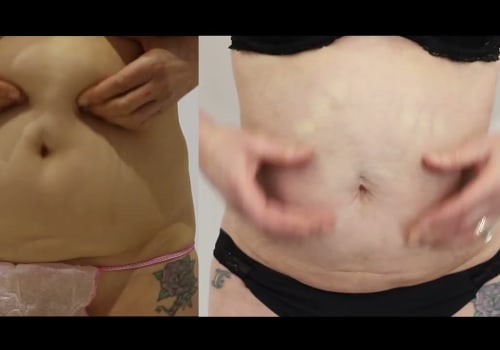
Liposuction primarily focuses on removing excess fat from targeted areas of the body, such as the abdomen, thighs, and arms. It is particularly effective for individuals who are close to their ideal weight but struggle with stubborn fat deposits that do not respond to diet and exercise.In contrast, a tummy tuck, or abdominoplasty, is designed to remove excess skin and tighten abdominal muscles, making it a suitable option for those who have experienced significant weight loss or pregnancy-related changes.While both procedures can enhance the appearance of the midsection, they serve different purposes:In contrast, a tummy tuck, or abdominoplasty, is designed to remove excess skin and tighten abdominal muscles, making it a suitable option for those who have experienced significant weight loss or pregnancy-related changes.While both procedures can enhance the appearance of the midsection, they serve different purposes:
- Liposuction: Targets fat removal without addressing skin laxity.
- Tummy Tuck: Focuses on skin tightening and muscle repair, often involving a larger incision.
Non-Surgical Body Contouring Options
In addition to surgical procedures, there are several non-surgical body contouring options available. These methods typically involve less downtime and lower risks compared to surgical interventions. Popular non-surgical treatments include:- Cryolipolysis: Also known as "fat freezing," this technique targets fat cells by cooling them to induce apoptosis (cell death), resulting in gradual fat reduction.
- Ultrasound Therapy:Ultrasound Therapy: Utilises sound waves to break down fat cells while tightening the skin.
- Radiofrequency Treatments: Employs heat to stimulate collagen production and reduce fat deposits.
Frequently Asked Questions About Liposuction
When considering liposuction, many individuals have questions and concerns that stem from common misconceptions.Addressing these frequently asked questions can help clarify the procedure and its implications.
What is liposuction?
Liposuction is a cosmetic surgical procedure designed to remove excess fat deposits from specific areas of the body. It is not a weight-loss solution but rather a method to contour and shape the body by targeting stubborn fat that does not respond to diet and exercise.Who is an ideal candidate for liposuction?
The best candidates for liposuction are those who are at or near their ideal weight but struggle with localized fat deposits. Candidates should be in good overall health, have realistic expectations, and understand that liposuction is not a substitute for a healthy lifestyle.Is liposuction safe?
Like any surgical procedure, liposuction carries risks, including infection, bleeding, and complications related to anaesthesia. However, when performed by a qualified surgeon in an appropriate setting, it is generally considered safe.It’s essential to discuss your medical history and any concerns with your surgeon during the consultation.
How long does recovery take?
Recovery time varies depending on the extent of the procedure and individual healing rates. Most patients can return to light activities within a few days but may need several weeks before resuming more strenuous activities. Your surgeon will provide specific aftercare instructions to aid in recovery.Will the results of liposuction last?
The results of liposuction can be long-lasting as it permanently removes fat cells from targeted areas. However, maintaining a stable weight through a balanced diet and regular exercise is crucial, as remaining fat cells can still expand if weight is gained post-procedure.Are there any myths about liposuction?
- Myth: Liposuction is a quick fix for obesity.
Fact: Liposuction is not intended for weight loss but for body contouring. - Myth: Liposuction results are immediate.
Fact: While some changes are visible right away, final results may take several months as swelling subsides. - Myth: Liposuction can eliminate cellulite.
Fact: Liposuction does not address skin texture issues like cellulite; it primarily targets fat deposits.
Conclusion: Is Liposuction Right for You?
In conclusion, the decision to undergo liposuction is a significant one that requires careful consideration of various factors.Throughout this article, we have explored the numerous aspects of liposuction, including its potential benefits, risks, and what one can realistically expect from the procedure.It is essential to remember that liposuction is not a weight loss solution but rather a cosmetic procedure aimed at removing stubborn fat deposits that resist diet and exercise. Therefore, individuals considering this option should be at or near their ideal weight and have realistic expectations regarding the outcomes.Before making a decision, it is crucial to consult with a qualified cosmetic surgeon who can provide personalised advice based on your unique circumstances. During this consultation, you should discuss:
- Your medical history and any pre-existing conditions.
- Your goals and expectations from the procedure.
- The specific risks associated with liposuction in your case.
- Alternative options that may be more suitable for your needs.
By taking the time to weigh your options and consult with an expert, you can make an informed decision that aligns with your aesthetic goals and overall health.