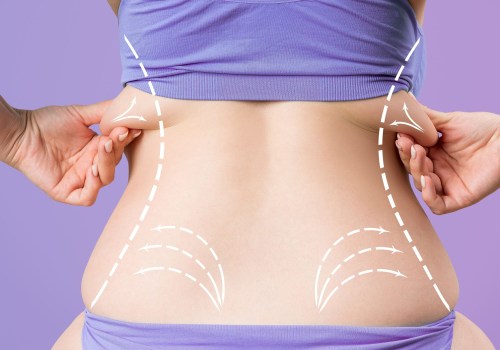
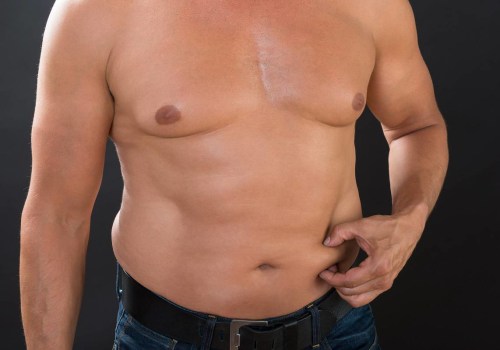
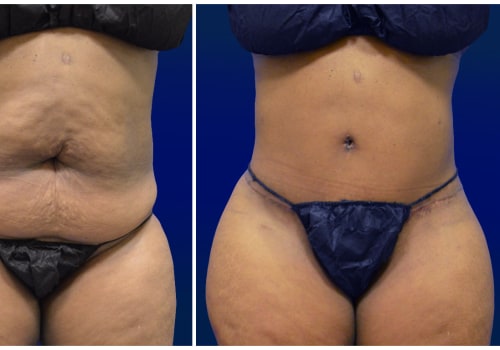
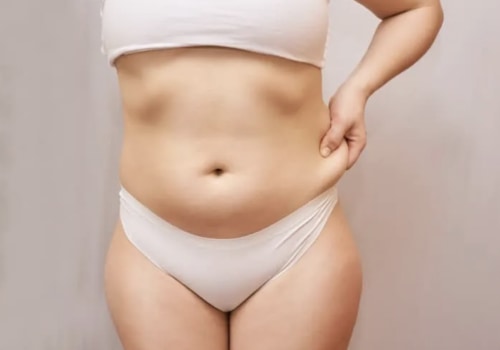
Liposuction is a popular cosmetic procedure that has gained significant attention for its ability to sculpt and contour the body by removing stubborn fat deposits. This surgical technique is particularly sought after by individuals who struggle with areas of fat that are resistant to diet and exercise, especially around the abdomen. While many people may have heard of liposuction, understanding its intricacies, including how it works and its specific applications for belly fat, is crucial for anyone considering this option.At its core, liposuction involves the removal of fat cells from targeted areas of the body through a suction technique. The procedure typically begins with the administration of anaesthesia, followed by the insertion of a thin tube called a cannula into the fatty tissue.
The surgeon then uses this cannula to break up and suction out the unwanted fat. This method allows for precise targeting of specific areas, making it an effective solution for those looking to achieve a more toned appearance.One of the primary reasons individuals opt for liposuction is its effectiveness in addressing belly fat. The abdomen is often a challenging area for many, as it can accumulate excess fat due to various factors such as genetics, hormonal changes, and lifestyle choices. Liposuction can help eliminate these stubborn fat pockets, resulting in a flatter and more contoured stomach.
However, it is essential to note that liposuction is not a weight-loss solution; rather, it is designed to enhance body shape and improve overall aesthetics.As we delve deeper into the pros and cons of liposuction for belly fat, it becomes evident that while this procedure offers remarkable benefits, it also comes with considerations that potential patients must weigh carefully. Understanding both sides will empower individuals to make informed decisions about their body and health.
The Benefits of Liposuction for Belly Fat
Liposuction has gained popularity as a cosmetic procedure, particularly for those struggling with stubborn belly fat. This targeted fat removal technique offers several significant benefits that can enhance both physical appearance and psychological well-being.1.Permanent Fat Removal1.Permanent Fat Removal
One of the most compelling advantages of liposuction is its ability to provide permanent fat removal. Unlike traditional weight loss methods, which may only reduce the size of fat cells, liposuction actually eliminates these cells from the body.
Once fat cells are removed from the abdomen, they do not regenerate, leading to long-lasting results. This permanence can be particularly appealing for individuals who have struggled with belly fat despite diet and exercise efforts.
2.Improved Body Contouring2.Improved Body Contouring
Liposuction is not just about fat removal; it also plays a crucial role in body contouring. By targeting specific areas of the abdomen, this procedure can create a more sculpted and aesthetically pleasing silhouette. Many patients find that their clothes fit better and their overall body shape is enhanced, leading to a more proportionate appearance.
This improvement in body contour can boost confidence and encourage a more active lifestyle.
3.Enhanced Self-Esteem
The psychological benefits of liposuction should not be underestimated. Many individuals report a significant increase in self-esteem following the procedure. The ability to wear clothes that fit well and feel comfortable in one’s own skin can lead to improved social interactions and a more positive self-image. For many, the transformation goes beyond physical appearance; it can also foster a renewed sense of motivation to maintain a healthy lifestyle.
4.Minimal Scarring
Modern liposuction techniques have advanced significantly, resulting in minimal scarring compared to older methods.
Surgeons typically make small incisions in inconspicuous areas, which means that any scars are less likely to be noticeable. This aspect is particularly important for those concerned about the aesthetic outcomes of their surgery.
5.Customisable Procedure
Liposuction is highly customizable, allowing patients to work closely with their surgeons to achieve desired results. Whether targeting specific pockets of fat or aiming for overall abdominal contouring, the procedure can be tailored to meet individual needs and goals.In conclusion, liposuction offers numerous benefits for those looking to eliminate stubborn belly fat. From permanent fat removal and improved body contouring to enhanced self-esteem and minimal scarring, it presents a viable option for individuals seeking a transformative change in their appearance and confidence.
Potential Risks and Downsides of Liposuction
While liposuction can offer significant aesthetic benefits, it is essential to consider the potential risks and downsides associated with the procedure.Understanding these factors can help individuals make informed decisions about whether liposuction is the right choice for them.One of the primary concerns with liposuction is the risk of infection. As with any surgical procedure, there is a possibility that bacteria can enter the body during the operation, leading to complications. Infections can range from mild to severe and may require additional treatment, including antibiotics or even further surgery.
Scarring
is another potential downside of liposuction. Although surgeons strive to make incisions as discreet as possible, some degree of scarring is inevitable.
The visibility and extent of scars can vary based on individual healing processes, the technique used, and the surgeon's skill. For some patients, these scars may be a source of dissatisfaction post-procedure.Moreover, there is a risk of experiencing dissatisfaction with results. While many patients are pleased with their new contours, others may find that their expectations were not met. Factors such as unrealistic goals or inadequate communication with the surgeon can contribute to this disappointment.
It is crucial for patients to have open discussions with their surgeons about what can realistically be achieved through liposuction.Another concern is the potential for complications during or after the procedure. These can include:
- Fluid accumulation: After surgery, fluid may build up in the treated areas, necessitating drainage.
- Nerve damage: In rare cases, patients may experience numbness or changes in sensation due to nerve injury during the procedure.
- Blood clots: There is a risk of developing blood clots in the legs or lungs, which can be life-threatening if not addressed promptly.
Consulting with a qualified surgeon who can provide comprehensive information and realistic expectations is crucial in making an informed decision about undergoing this procedure.
Who is an Ideal Candidate for Liposuction?
Determining whether liposuction is the right choice for an individual involves a careful assessment of various factors. Understanding who qualifies as an ideal candidate can help set realistic expectations and ensure the best possible outcomes.Body Mass Index (BMI)
is one of the primary criteria used to evaluate candidacy for liposuction. Generally, candidates should have a BMI within the range of 30 or lower. This is because individuals with a higher BMI may have more visceral fat, which liposuction cannot effectively target. is one of the primary criteria used to evaluate candidacy for liposuction. Generally, candidates should have a BMI within the range of 30 or lower. This is because individuals with a higher BMI may have more visceral fat, which liposuction cannot effectively target.
Instead, those with a BMI in the normal to slightly overweight range are more likely to achieve satisfactory results.Another critical aspect to consider is overall health. Ideal candidates should be in good physical condition, free from chronic illnesses that could complicate surgery or recovery. Conditions such as diabetes, heart disease, or clotting disorders may increase the risks associated with the procedure. A thorough medical evaluation by a qualified surgeon is essential to assess any potential health concerns.
Lifestyle factors
also play a significant role in determining candidacy for liposuction.
Candidates should be committed to maintaining a healthy lifestyle post-procedure, including regular exercise and a balanced diet. Liposuction is not a substitute for weight loss; rather, it is intended to enhance body contours after achieving a stable weight. Individuals who are actively trying to lose weight or those who have fluctuating weight patterns may not be suitable candidates.Furthermore, age can influence candidacy. While there is no strict age limit for liposuction, younger individuals tend to have better skin elasticity, which can lead to more favourable results.
Older candidates may experience less optimal outcomes due to decreased skin elasticity and potential healing issues.Lastly, it’s crucial for candidates to have realistic expectations about the results of liposuction. Understanding that this procedure is designed to sculpt and contour rather than serve as a weight-loss solution will help individuals make informed decisions about their bodies.In summary, ideal candidates for liposuction typically possess a BMI of 30 or lower, are in good health without chronic conditions, maintain a stable weight, and have realistic expectations about the procedure's outcomes. Consulting with an experienced cosmetic surgeon can provide further insights into whether liposuction is the right choice for you.
Liposuction vs. Other Fat Reduction Methods
When considering options for reducing belly fat, it is essential to understand the differences between liposuction, tummy tucks, and various non-surgical fat reduction methods.Each technique has its unique advantages and limitations, making it crucial to choose the right one based on individual needs and goals.
Liposuction vs. Tummy Tuck
Liposuction is primarily focused on removing excess fat from specific areas of the body, including the abdomen. It is ideal for individuals who are close to their target weight but struggle with stubborn fat deposits that resist diet and exercise. The procedure involves suctioning out fat cells, resulting in a more contoured appearance.In contrast, a tummy tuck, or abdominoplasty, is designed to remove excess skin and tighten abdominal muscles. is primarily focused on removing excess fat from specific areas of the body, including the abdomen. It is ideal for individuals who are close to their target weight but struggle with stubborn fat deposits that resist diet and exercise. The procedure involves suctioning out fat cells, resulting in a more contoured appearance.In contrast, a tummy tuck, or abdominoplasty, is designed to remove excess skin and tighten abdominal muscles.This procedure is particularly beneficial for individuals who have experienced significant weight loss or pregnancy, leading to loose skin and weakened muscles. While a tummy tuck can improve the overall shape of the abdomen, it does not specifically target fat deposits like liposuction does.
Non-Surgical Fat Reduction Methods
In recent years, non-surgical fat reduction methods have gained popularity due to their minimal downtime and less invasive nature. Techniques such as CoolSculpting, SculpSure, and radiofrequency treatments use various technologies to freeze or heat fat cells, causing them to break down over time. These methods are generally suitable for individuals with small areas of stubborn fat and are often less effective for larger fat deposits.While non-surgical options may seem appealing due to their convenience, they typically require multiple sessions to achieve noticeable results and may not provide the dramatic changes that liposuction can offer.Additionally, these methods do not address issues related to excess skin or muscle laxity.
Comparison of Fat Loss Techniques
- Liposuction: Effective for targeted fat removal; longer recovery time; permanent results if a healthy lifestyle is maintained.
- Tummy Tuck: Best for those with excess skin and muscle laxity; combines skin removal with muscle tightening; not primarily a fat loss procedure.
- Non-Surgical Methods: Less invasive; minimal downtime; suitable for small areas; may require multiple treatments; results are generally less dramatic.
The Recovery Process After Liposuction
Undergoing liposuction is a significant decision, and understanding the recovery process is crucial for achieving the best results. After the procedure, patients can expect a range of experiences as their bodies heal. Here’s what you need to know about the recovery phase.Initial Recovery Timeline
- First 24-48 hours: Patients typically experience swelling, bruising, and discomfort in the treated areas. Pain management is often necessary, and your surgeon will prescribe medications to help alleviate any pain.
- First week: Most individuals can return to light activities within a few days, but strenuous exercise and heavy lifting should be avoided.
Swelling may peak during this time, and wearing a compression garment is essential to support the healing process.
- Two weeks: Many patients feel significantly better and can resume normal daily activities. However, it’s still advisable to avoid high-impact exercises or activities that strain the abdominal area.
- Four to six weeks: By this stage, most swelling should subside, and patients can gradually return to their regular exercise routines. Follow-up appointments with your surgeon will help monitor your progress.
Post-Operative Care Instructions
To ensure a smooth recovery after liposuction, adhere to the following care instructions:
- Compression Garments: Wear the prescribed compression garment as directed. This helps reduce swelling and supports the skin as it adjusts to its new contours.
- Hydration: Drink plenty of water to stay hydrated, which aids in the healing process.
- Avoid Smoking: Smoking can impede healing and increase complications.
It’s best to refrain from smoking during your recovery period.
- Follow-Up Appointments: Attend all scheduled follow-up visits with your surgeon to ensure proper healing and address any concerns.
Tips for a Smooth Recovery
To enhance your recovery experience, consider these additional tips:
- Rest: Allow your body ample time to heal by getting plenty of rest. Avoid overexerting yourself during the initial recovery phase.
- Nourishment: Maintain a balanced diet rich in vitamins and minerals to support healing. Foods high in protein can be particularly beneficial.
- Pacing Yourself: Gradually increase your activity level as you feel more comfortable. Listen to your body and don’t rush back into strenuous activities too soon.
By following your surgeon's advice and taking care of yourself during this time, you can enjoy the benefits of your procedure while minimising potential complications.
Maintaining Results After Liposuction
Undergoing liposuction can be a transformative experience, offering patients the opportunity to achieve a more contoured physique. However, the journey does not end once the procedure is complete. To ensure that the results are maintained over time, it is crucial to adopt a healthy lifestyle that includes both dietary changes and regular physical activity.Understanding Weight Maintenance
After liposuction, the body has fewer fat cells in the treated areas. While this can lead to a slimmer appearance, it is essential to understand that weight gain can still occur if healthy habits are not established.
The body will still store fat in other areas if excess calories are consumed, which can lead to an uneven distribution of fat.
Dietary Changes
One of the most significant factors in maintaining results after liposuction is diet. Here are some key dietary changes to consider:- Balanced Nutrition: Focus on a diet rich in fruits, vegetables, whole grains, lean proteins, and healthy fats. This balanced approach provides essential nutrients while helping to control calorie intake.
- Portion Control: Be mindful of portion sizes to avoid overeating. Using smaller plates and measuring servings can help manage portions effectively.
- Hydration: Drinking plenty of water is vital for overall health and can help control hunger.
Aim for at least eight glasses of water a day.
- Avoid Processed Foods: Limit the intake of sugary snacks, fast food, and processed items that are high in calories but low in nutritional value.
Regular Exercise
Incorporating regular physical activity into your routine is equally important for maintaining your liposuction results. Consider the following:- Aerobic Exercise: Engage in cardiovascular activities such as walking, running, cycling, or swimming at least 150 minutes per week. This helps burn calories and improve overall fitness.
- Strength Training: Include strength training exercises at least twice a week. Building muscle can increase your resting metabolic rate, helping you burn more calories even at rest.
- Flexibility and Balance: Incorporate activities like yoga or Pilates to enhance flexibility and core strength, which can support overall body function and posture.
The Importance of Consistency
Consistency is key when it comes to maintaining results after liposuction.
Establishing a routine that includes healthy eating and regular exercise will not only help preserve your new shape but also contribute to your overall well-being. Remember that lifestyle changes take time to become habits; patience and perseverance are essential.In conclusion, while liposuction can significantly improve your appearance by removing stubborn fat deposits, it is vital to commit to a healthy lifestyle post-procedure. By making informed dietary choices and staying active, you can enjoy lasting results and enhance your quality of life.
Frequently Asked Questions About Liposuction
When considering liposuction, many potential patients have a myriad of questions and concerns. Addressing these can help demystify the procedure and assist individuals in making informed decisions.What is liposuction?
Liposuction is a cosmetic surgical procedure that removes excess fat from specific areas of the body, including the abdomen, thighs, buttocks, arms, and neck.
It is not a weight-loss solution but rather a method to contour and shape the body by eliminating stubborn fat deposits.
Is liposuction safe?
Like any surgical procedure, liposuction carries risks. However, when performed by a qualified and experienced surgeon, it is generally considered safe. Common risks include infection, scarring, and complications related to anesthesia. It is crucial to discuss your medical history and any concerns with your surgeon prior to the procedure.
How long does recovery take?
The recovery period after liposuction varies from person to person but typically ranges from a few days to several weeks.
Patients are usually advised to avoid strenuous activities for at least two weeks. Following your surgeon's post-operative care instructions is essential for optimal healing.
Will I have visible scars?
Liposuction incisions are generally small and strategically placed to minimise visible scarring. While some scarring may occur, it often fades over time and can be concealed by clothing.
How long do the results last?
The results of liposuction can be long-lasting, provided that patients maintain a healthy lifestyle post-procedure. Weight gain can affect the appearance of treated areas; however, the fat cells removed during liposuction do not return.
Can liposuction be combined with other procedures?
Yes, many patients choose to combine liposuction with other cosmetic procedures such as tummy tucks or breast augmentations for enhanced results.
Discussing your goals with your surgeon will help determine the best approach for you.
Who is a good candidate for liposuction?
Ideal candidates for liposuction are those who are at or near their target weight but struggle with specific areas of fat that do not respond to diet and exercise. It is important for candidates to have realistic expectations about the outcomes of the procedure.If you have further questions or concerns about liposuction, it is advisable to consult with a qualified cosmetic surgeon who can provide tailored information based on your individual needs.
Conclusion: Is Liposuction Right for You?
In conclusion, the decision to undergo liposuction for belly fat is a significant one that requires careful consideration of both the advantages and disadvantages associated with the procedure. As we have explored throughout this article, liposuction can effectively target stubborn fat deposits that are resistant to diet and exercise, providing patients with a more contoured appearance. However, it is crucial to understand that this procedure is not a substitute for a healthy lifestyle or a weight loss solution.Before making a decision, potential candidates should reflect on several key factors:- Realistic Expectations: It is essential to have realistic expectations regarding the outcomes of liposuction.
While many patients experience significant improvements in their body shape, results can vary based on individual circumstances.
- Health Considerations: Individuals with excess visceral fat or underlying health issues may not be suitable candidates for liposuction. Consulting with a qualified surgeon can help determine if you meet the necessary criteria.
- Recovery Time: The recovery process can take several weeks, during which patients must adhere to specific guidelines to ensure optimal healing. Understanding this commitment is vital before proceeding.
- Long-term Maintenance: To maintain the results achieved through liposuction, it is imperative to adopt and sustain a healthy lifestyle post-procedure. This includes regular exercise and a balanced diet.
Weighing the pros and cons carefully will empower you to make an informed decision that aligns with your personal goals and health needs. If you believe that liposuction could be the right option for you, seek out consultations with reputable cosmetic surgeons who can provide tailored advice and support throughout your journey.