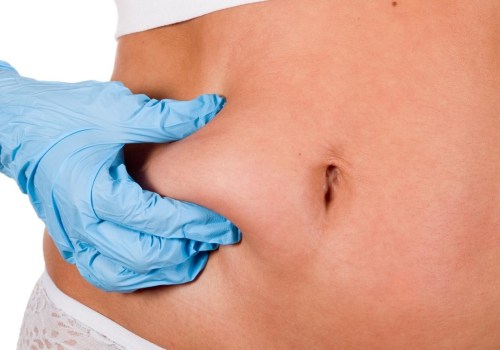
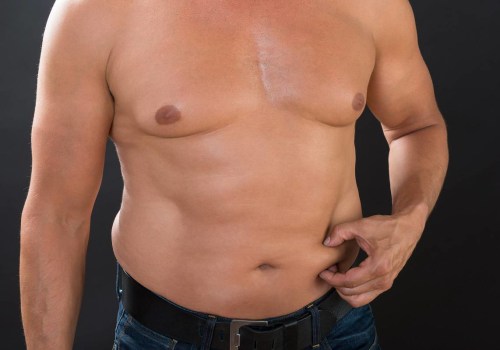
Liposuction is a widely sought-after cosmetic surgery procedure designed to remove stubborn fat deposits from various areas of the body. This surgical technique is particularly appealing to individuals who struggle with localized fat that does not respond to diet and exercise. By targeting specific regions such as the abdomen, thighs, buttocks, and arms, liposuction can help sculpt and enhance body contours, leading to a more aesthetically pleasing appearance.The procedure involves the use of a thin tube called a cannula, which is inserted through small incisions in the skin. The cannula is then used to suction out excess fat, allowing for precise removal and shaping.
While liposuction can yield impressive results, it is essential to understand that it is not a weight-loss solution or a substitute for a healthy lifestyle. Instead, it serves as a tool for body contouring, helping individuals achieve their desired physique when combined with proper diet and exercise.As with any surgical intervention, potential candidates should be well-informed about the procedure's benefits and limitations. Understanding what liposuction entails can empower individuals to make educated decisions regarding their bodies. In this article, we will delve deeper into the various aspects of liposuction, including its associated risks, recovery process, and expected results.
By shedding light on these critical factors, we aim to provide a comprehensive overview that will assist you in determining whether liposuction aligns with your personal goals and expectations.
What is Liposuction?
Liposuction
is a cosmetic surgical procedure designed to remove excess fat deposits from specific areas of the body, helping to improve body contours and proportions. It is not a weight-loss solution but rather a method for sculpting the body by targeting stubborn fat that does not respond to diet and exercise.There are several types of liposuction , each employing different techniques to achieve optimal results:
- Tumescent Liposuction: This is the most common form of liposuction. It involves injecting a sterile solution containing saline, lidocaine, and epinephrine into the targeted fat areas. This solution helps to numb the area, reduce bleeding, and facilitate fat removal.
- Ultrasound-Assisted Liposuction (UAL): This technique uses ultrasound energy to liquefy fat cells before they are suctioned out.
The ultrasound waves break down the fat, making it easier to remove and often resulting in less trauma to surrounding tissues.
- Laser-Assisted Liposuction (LAL): Similar to UAL, this method employs laser energy to melt away fat. The laser also stimulates collagen production, which can enhance skin tightening post-procedure.
- Suction-Assisted Liposuction (SAL): This traditional method involves using a vacuum-like device to remove fat through small incisions. It is effective for larger areas but may require longer recovery times compared to other techniques.
A cannula, which is a thin tube, is inserted through these incisions to loosen and suction out the fat. The duration of the procedure can vary based on the amount of fat being removed and the specific technique used.Understanding these fundamental aspects of liposuction is essential for anyone considering this procedure. By familiarising yourself with its definition, types, and how it works, you can make informed decisions about your body contouring options.
Who is a Suitable Candidate for Liposuction?
Determining whether you are a suitable candidate for liposuction involves several factors, including your overall health, body type, and specific goals for the procedure. Understanding these criteria can help you make an informed decision about whether this cosmetic surgery is right for you.Age Considerations
While there is no strict age limit for undergoing liposuction, most surgeons recommend that candidates be at least 18 years old.
This is primarily because the body continues to develop and change during adolescence. Additionally, older adults may have different considerations due to skin elasticity and potential health issues. Generally, candidates in their 30s to 50s tend to achieve the best results, as their skin may still have enough elasticity to adapt after fat removal.
Health Conditions
Before considering liposuction, it is crucial to evaluate your health status. Ideal candidates should:
- Be in good overall health without serious medical conditions such as heart disease, diabetes, or compromised immune systems.
- Not be pregnant or breastfeeding.
- Have realistic expectations about the outcomes of the procedure.
They will assess your medical history and may require additional tests to ensure that you are fit for surgery.
Body Type and Weight
Liposuction is not a weight-loss solution but rather a body contouring procedure. The best candidates are typically within 30% of their ideal body weight and have localized areas of fat that are resistant to diet and exercise. This means that if you are significantly overweight or obese, your surgeon may recommend a weight loss programme before considering liposuction.
Skin Elasticity
The condition of your skin plays a vital role in determining candidacy for liposuction. Candidates with good skin elasticity are more likely to achieve smooth and even results post-surgery.
If your skin has lost elasticity due to age or significant weight loss, you may not be an ideal candidate, as this could lead to sagging skin after fat removal.
Conclusion
In summary, suitable candidates for liposuction are generally healthy individuals who have realistic expectations and specific areas of fat they wish to target. By understanding these criteria, potential patients can better assess their eligibility and prepare for a productive discussion with their surgeon about their goals and concerns regarding the procedure.
The Risks Associated with Liposuction
Liposuction, while often viewed as a straightforward solution for fat removal, carries a range of potential risks and complications that should not be overlooked. Understanding these risks is crucial for anyone considering the procedure.One of the most significant concerns is the risk of infection. As with any surgical procedure, there is a possibility that bacteria can enter the body through incisions made during liposuction.Infections can lead to serious complications, including prolonged recovery times and the need for additional treatments. It is essential to follow your surgeon's post-operative care instructions meticulously to minimise this risk.
Scarring
is another common concern associated with liposuction. Although surgeons strive to make incisions in less visible areas, some degree of scarring is inevitable. The extent and visibility of scars can vary based on individual healing processes, skin type, and the technique used during surgery.
Patients should discuss scar management options with their surgeon to understand how to care for incisions properly.Uneven results are also a potential downside of liposuction. If fat is removed unevenly, it can lead to an irregular or lumpy appearance of the skin. This issue may arise from factors such as the surgeon's technique, the patient's skin elasticity, and the amount of fat removed. To mitigate this risk, it is vital to choose a qualified and experienced surgeon who can assess your body type and tailor the procedure accordingly.Other side effects may include:
- Numbness: Temporary numbness in the treated areas can occur due to nerve damage during surgery.
- Fluid accumulation: Sometimes, fluid can build up under the skin after surgery, requiring drainage.
- Blood clots: There is a risk of blood clots forming in the legs or lungs, which can be life-threatening if not addressed promptly.
- Changes in skin sensation: Some patients report altered sensations in the treated areas post-surgery.
Engaging in an open dialogue with your surgeon about these potential complications will help you make an informed choice that aligns with your health and aesthetic goals.
Understanding Recovery After Liposuction
Recovering from liposuction is a crucial phase that significantly influences the overall results of the procedure. Understanding what to expect during this time can help patients prepare mentally and physically for their healing journey.Typically, the initial recovery period lasts about one to two weeks. During this time, patients may experience swelling, bruising, and discomfort in the treated areas. These symptoms are normal and should gradually subside as the body heals.However, it is essential to follow your surgeon's post-operative care instructions closely to ensure a smooth recovery.
Post-Operative Care Tips
- Rest and Relaxation: It is vital to allow your body ample time to heal. Avoid strenuous activities and heavy lifting for at least two weeks post-surgery.
- Compression Garments: Wearing a compression garment as advised by your surgeon helps reduce swelling and supports the healing tissues. Ensure you wear it for the recommended duration.
- Hydration and Nutrition: Staying hydrated and maintaining a balanced diet can aid in recovery. Focus on consuming nutrient-rich foods that promote healing.
- Pain Management: Your surgeon may prescribe pain relief medication.
Take it as directed to manage discomfort effectively.
- Follow-Up Appointments: Attend all scheduled follow-up visits with your surgeon to monitor your progress and address any concerns.
Engaging with supportive friends or family members can help ease these feelings.Ultimately, understanding the recovery process after liposuction allows patients to set realistic expectations and prepare adequately for their journey towards achieving their desired body shape.
Results of Liposuction: What to Expect
When considering liposuction, it is essential to have a clear understanding of the results you can expect. While many patients are eager to see immediate changes, the reality is that the final outcomes of liposuction can take time to manifest fully.Liposuction Results Timeline
- Initial Changes: Most patients will notice a significant reduction in fat in the treated areas immediately after the procedure. However, this initial appearance may be misleading due to swelling and bruising.
- Swelling and Recovery: Swelling is a common side effect following liposuction and can obscure the true results. Typically, swelling begins to subside within a few weeks, but it can take up to six months for the body to fully heal and for the final contours to emerge.
- Final Results: The ultimate results of liposuction are usually visible around three to six months post-surgery.
At this point, patients can appreciate the full effect of their procedure, including improved body shape and contour.
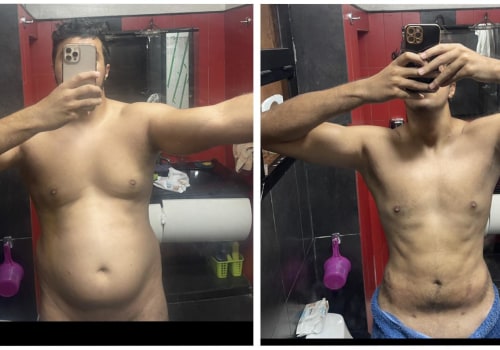
Before and After LiposuctionBefore and After Liposuction
Many prospective patients find it helpful to look at before and after photos from previous patients. These images can provide a realistic perspective on what liposuction can achieve. However, it is crucial to remember that individual results may vary based on several factors:
- Body Type: Each person's body responds differently to liposuction. Factors such as skin elasticity, fat distribution, and overall health play significant roles in determining the final outcome.
- Amount of Fat Removed: The volume of fat removed during the procedure can influence results.
Removing too much fat at once may lead to irregularities in skin texture or contour.
- Surgical Technique: The skill and experience of the surgeon are paramount. A qualified surgeon will tailor the approach based on your unique anatomy and desired outcomes.
Realistic Expectations from Liposuction
Setting realistic expectations is vital for anyone considering liposuction. While this procedure can significantly enhance body contours, it is not a weight-loss solution or a substitute for a healthy lifestyle. Patients should aim for a stable weight before undergoing surgery and maintain healthy habits post-procedure to ensure lasting results.In summary, understanding the timeline for seeing results, reviewing before and after examples, and setting realistic expectations are all critical components of the liposuction journey.
By being informed, you can approach your surgery with confidence and clarity about what lies ahead.
Comparing Liposuction with Other Fat Reduction Methods
When considering body contouring options, it is essential to understand the differences between liposuction and other fat reduction methods. Each technique has its unique advantages and limitations, making it crucial for individuals to evaluate their specific needs and goals.Liposuction vs. CoolSculpting
Liposuction is a surgical procedure that removes fat from targeted areas of the body through suction. It is particularly effective for individuals with stubborn fat deposits that do not respond to diet and exercise.In contrast, CoolSculpting, also known as cryolipolysis, is a non-invasive procedure that freezes fat cells, causing them to die off gradually. This method is ideal for those looking for a less invasive option with minimal downtime.
- Effectiveness: Liposuction typically provides immediate and more dramatic results compared to CoolSculpting, which may take several weeks to show noticeable changes.
- Recovery Time: Recovery from liposuction can take several weeks, while CoolSculpting allows patients to return to their daily activities almost immediately.
- Pain and Discomfort: Liposuction involves anaesthesia and can result in significant discomfort post-surgery, whereas CoolSculpting is generally well-tolerated with minimal side effects.
Diet and Exercise as Alternatives
For many individuals, lifestyle changes such as diet and exercise remain the first line of defence against unwanted fat. While these methods can lead to weight loss and improved body composition, they may not effectively target specific areas of stubborn fat. Additionally, achieving significant results through diet and exercise often requires considerable time and commitment.- Cost-Effectiveness: Diet and exercise are typically more affordable than surgical options like liposuction or CoolSculpting.
- Sustainability: Maintaining a healthy lifestyle can lead to long-term benefits beyond just fat reduction, including improved overall health.
- Limitations: For some individuals, genetics or hormonal factors may hinder their ability to lose fat in certain areas, making surgical options more appealing.
Consulting with a qualified healthcare provider can help determine the most suitable approach for achieving desired results.
Patient Rights and Safety Considerations in Liposuction
When considering liposuction or any cosmetic procedure, it is essential for patients to be aware of their rights and the safety measures that should be in place. Understanding these rights not only empowers individuals but also ensures that they can advocate for themselves throughout the surgical process.Patient Rights in Surgery
- Informed Consent: Before undergoing liposuction, patients have the right to receive comprehensive information about the procedure, including its risks, benefits, and alternatives. This process is known as informed consent. It is crucial that patients feel comfortable asking questions and discussing any concerns with their surgeon.
- Access to Medical Records: Patients are entitled to access their medical records, which include details about their health history, the procedure performed, and any complications that may have arisen.
This transparency is vital for ongoing care and understanding one's health journey.
- Right to a Second Opinion: Patients should feel empowered to seek a second opinion before proceeding with surgery. Consulting another qualified surgeon can provide additional insights and help confirm the initial recommendations.
- Privacy and Confidentiality: All patient information must be kept confidential. Patients have the right to expect that their personal health information will not be disclosed without their consent.
Safety Considerations in Cosmetic Procedures
Ensuring safety during liposuction involves several critical factors:
- Qualified Surgeons: It is imperative to choose a board-certified plastic surgeon with extensive experience in performing liposuction. Verify their credentials and ask about their track record with similar procedures. It is imperative to choose a board-certified plastic surgeon with extensive experience in performing liposuction. Verify their credentials and ask about their track record with similar procedures.
- Accredited Facilities: The procedure should be conducted in an accredited surgical facility that meets strict safety standards.
This includes having access to emergency care if needed.
- Anesthesia Safety: Discuss the type of anesthesia that will be used during the procedure. Patients should understand the risks associated with anesthesia and ensure that a qualified anesthesiologist administers it.
The Importance of Informed Consent
The informed consent process is not merely a formality; it is a fundamental aspect of patient autonomy. Patients should take the time to review all provided materials thoroughly and engage in discussions with their healthcare provider. This dialogue helps clarify expectations and prepares patients for what lies ahead.In conclusion, being well-informed about patient rights and safety considerations in liposuction is crucial for anyone contemplating this procedure.
By understanding these elements, patients can make educated decisions and ensure they receive the highest standard of care throughout their surgical experience.
Conclusion: Making an Informed Decision About Liposuction
In conclusion, the decision to undergo liposuction is not one to be taken lightly. It is essential to weigh the potential benefits against the risks and complications that may arise from this surgical procedure. Throughout this article, we have explored various aspects of liposuction, including its effectiveness in fat removal, the recovery process, and the possible side effects that can occur.Before making a final decision, consider the following key points:- Understanding Risks: Every surgical procedure carries inherent risks. With liposuction, these can include infection, blood clots, and uneven contours.
It is crucial to have a candid discussion with your surgeon about these risks and how they pertain to your individual case.
- Realistic Expectations: While liposuction can significantly enhance your appearance, it is important to maintain realistic expectations regarding the results. The procedure is not a substitute for a healthy lifestyle or weight loss but rather a means to contour specific areas of the body.
- Recovery Time: Although many patients return to their daily activities within a week, full recovery can take several months. Understanding the timeline for swelling reduction and final results is vital for managing expectations post-surgery.
- Surgeon Selection: Choosing a qualified and experienced surgeon is paramount. Research their credentials, read reviews, and ensure they are board-certified in plastic surgery.
A skilled surgeon will help mitigate risks and achieve the best possible outcomes.
- Patient Rights: Familiarise yourself with your rights as a patient. The No Surprises Act (HR13) provides protections against unexpected medical bills, ensuring you are informed about costs associated with your procedure.