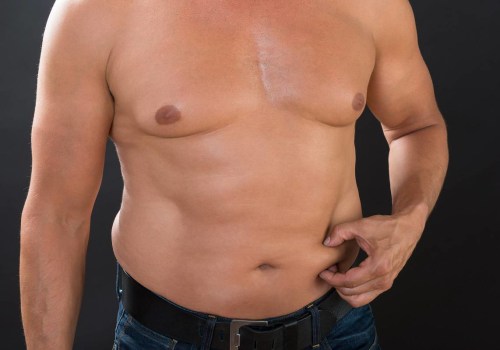
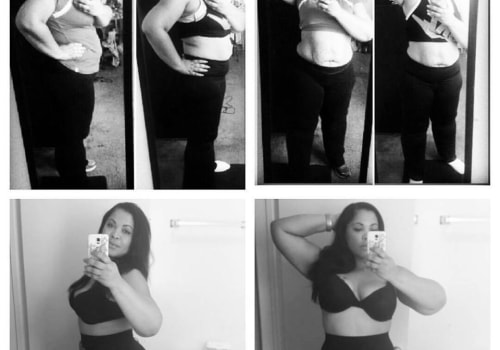
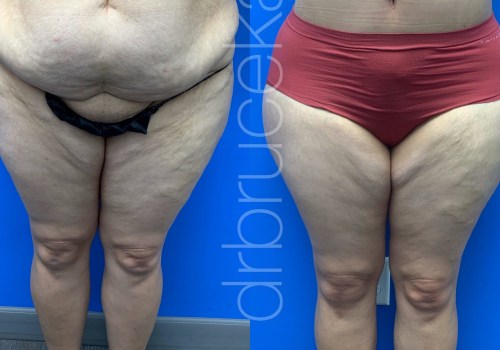
Liposuction has become a popular choice for individuals seeking to enhance their body contours and eliminate stubborn fat deposits that resist diet and exercise. This cosmetic procedure is not merely about weight loss; rather, it focuses on sculpting specific areas of the body to achieve a more aesthetically pleasing silhouette. Many people turn to liposuction with the hope of achieving their ideal body shape, but a common concern that arises post-procedure is the potential for weight gain.Understanding the relationship between liposuction and weight management is crucial for anyone considering this treatment. While liposuction effectively removes fat cells from targeted areas, it does not prevent future weight gain.
The remaining fat cells in the body can still expand if a person does not maintain a healthy lifestyle after the procedure. This means that while liposuction can provide significant improvements in body shape, it is essential to adopt sustainable habits to preserve those results.Moreover, the psychological aspect of undergoing liposuction cannot be overlooked. Many patients experience a boost in self-esteem and body confidence following the procedure, which can motivate them to maintain healthier lifestyle choices. However, there is also the risk of complacency; some individuals may feel that since they have undergone surgery, they can indulge without consequence.
This mindset can lead to unwanted weight gain and diminish the benefits achieved through liposuction.In this article, we will delve deeper into the truth about weight gain after liposuction, exploring how it affects your results and what measures you can take to ensure long-lasting outcomes. By understanding these dynamics, you can make informed decisions about your body and health following this transformative procedure.
What is Liposuction?
Liposuction is a popular cosmetic surgical procedure designed to remove excess fat from specific areas of the body, helping individuals achieve a more contoured and sculpted appearance. It is essential to understand that liposuction is not a weight-loss solution but rather a method to target stubborn fat deposits that are resistant to diet and exercise.The liposuction procedure typically involves the use of a thin tube called a cannula, which is inserted through small incisions in the skin. The surgeon then uses this cannula to suction out fat from the targeted areas.The procedure can be performed under local or general anaesthesia, depending on the extent of the treatment and the patient's preference.
Types of Liposuction
- Tumescent Liposuction:Tumescent Liposuction: This is the most common technique, where a solution containing saline, anaesthetic, and epinephrine is injected into the treatment area. This solution helps to numb the area and constrict blood vessels, reducing bleeding and swelling during the procedure.
- Ultrasound-Assisted Liposuction (UAL): This method uses ultrasound energy to liquefy fat cells before they are removed. This technique can be particularly effective for fibrous areas of the body, such as the back or male breast tissue.
- Laser-Assisted Liposuction (LAL): In this technique, laser energy is used to melt fat cells, making them easier to suction out. This method can also promote skin tightening due to the heat generated by the laser.
- Power-Assisted Liposuction (PAL):Power-Assisted Liposuction (PAL): This technique employs a mechanised cannula that vibrates rapidly, allowing for more efficient fat removal with less trauma to surrounding tissues.
It is crucial for anyone considering liposuction to consult with a qualified plastic surgeon who can assess their situation and recommend the most appropriate technique.In summary, liposuction offers a targeted approach to fat removal, helping individuals achieve their desired body shape. Understanding the various techniques available can empower patients to make informed decisions about their cosmetic surgery options.
The Science Behind Liposuction and Fat Cells
Liposuction is a popular cosmetic procedure that targets stubborn fat deposits, helping individuals achieve a more contoured body shape. To understand how liposuction works, it is essential to delve into the science of fat cells and their role in our body composition.Fat cells, or adipocytes, are specialized cells that store energy in the form of fat. They play a crucial role in regulating metabolism and maintaining energy balance.When we consume more calories than our body needs, these cells expand to accommodate the excess energy. Conversely, when we burn more calories than we consume, fat cells can shrink as they release stored fat for energy.During a liposuction procedure, a surgeon uses a cannula—a thin tube—to suction out fat from specific areas of the body. This process involves making small incisions in the skin through which the cannula is inserted. The surgeon then moves the cannula back and forth to break up the fat cells before suctioning them out.
This targeted removal of fat cells is what differentiates liposuction from traditional weight loss methods, such as diet and exercise.One of the key aspects of liposuction is that it permanently removes fat cells from the treated areas. Unlike weight loss through dieting, where fat cells can shrink but remain present, liposuction reduces the total number of fat cells in specific regions. For instance, if a patient undergoes liposuction on their abdomen, they will have fewer fat cells in that area compared to before the procedure.However, it is important to note that while liposuction effectively removes fat cells, it does not prevent future weight gain. If a patient does not maintain a healthy lifestyle post-surgery, the remaining fat cells can still expand if excess calories are consumed.
This means that even after undergoing liposuction, individuals can still gain weight; it may simply manifest in areas not treated by the procedure.In summary, understanding the science behind liposuction and fat cell dynamics is crucial for anyone considering this procedure. While liposuction can provide significant improvements in body contour by removing fat cells permanently from targeted areas, maintaining a balanced diet and regular exercise is essential to prevent weight gain and ensure long-lasting results.
Can You Gain Weight After Liposuction?
One of the most pressing concerns for individuals considering liposuction is the possibility of gaining weight after the procedure. It is essential to understand that while liposuction effectively removes fat cells from specific areas of the body, it does not prevent future weight gain if lifestyle choices are not managed appropriately.After undergoing liposuction, patients often feel a sense of relief and satisfaction with their new body contours. However, this does not mean that they are immune to weight fluctuations.The fat cells that are removed during the procedure do not regenerate; however, the remaining fat cells can still expand if a person consumes more calories than they burn.To illustrate this point, consider the following:
- If a patient weighed 80 kg before liposuction and had 5 kg of fat removed, they would ideally want to maintain a weight of 75 kg or lower to keep their results intact.
- Should this individual return to unhealthy eating habits or a sedentary lifestyle, they may find that they gain weight back, but it is likely to occur in areas that were not treated with liposuction.
- The remaining fat cells in the treated areas can enlarge, but since there are fewer fat cells overall in those regions, the visual impact may not be as pronounced unless significant weight is gained.
- Regular Exercise: Engaging in physical activity helps to burn calories and maintain muscle mass, which is vital for keeping weight off.
- Balanced Diet: A nutritious diet rich in whole foods can help manage weight effectively. Avoiding excessive sugars and processed foods is key.
- Hydration: Drinking plenty of water can aid in metabolism and help control hunger levels.
Factors Influencing Weight Gain Post-Liposuction
Understanding the factors that can influence weight gain after liposuction is crucial for anyone considering this procedure.While liposuction effectively removes fat cells from targeted areas, it does not guarantee permanent results if lifestyle choices are not managed post-surgery.
Dietary Habits
Your diet plays a significant role in maintaining your weight after liposuction. After the procedure, it is essential to adopt a balanced diet rich in nutrients. Here are some dietary considerations:- Caloric Intake: Consuming more calories than your body needs can lead to weight gain. It is vital to monitor your caloric intake and ensure it aligns with your activity level.
- Quality of Food: Focus on whole foods such as fruits, vegetables, lean proteins, and whole grains.
Processed foods high in sugar and unhealthy fats can contribute to weight gain.
- Hydration: Staying hydrated is essential for overall health and can help control hunger. Drinking plenty of water can prevent overeating.
Exercise Regimen
Regular physical activity is another critical factor in maintaining your results after liposuction. Engaging in both cardiovascular and strength training exercises can help you manage your weight effectively:- Cardiovascular Exercise: Activities such as walking, running, cycling, or swimming can help burn calories and improve overall fitness.
- Strength Training: Building muscle through resistance training can increase your metabolism, helping you burn more calories even at rest.
- Consistency: Establishing a regular exercise routine is vital. Aim for at least 150 minutes of moderate aerobic activity each week, combined with strength training on two or more days.
Individual Metabolism
Your metabolism also plays a crucial role in how your body processes food and burns calories.Factors influencing metabolism include:
- Age: Metabolism tends to slow down with age, making it easier to gain weight if dietary habits remain unchanged.
- Genetics: Some individuals may have a naturally faster or slower metabolism due to genetic factors.
- Hormonal Changes: Hormonal fluctuations can affect appetite and fat distribution, influencing weight management post-liposuction.
The Role of Remaining Fat Cells in Weight Gain
After undergoing liposuction, many patients are often surprised to learn that the procedure does not eliminate all fat cells from the treated areas. Instead, it selectively removes a portion of fat cells, leaving behind a layer of remaining cells that can still respond to changes in body weight. Understanding the role of these remaining fat cells is crucial for anyone considering or recovering from liposuction.When weight is gained after liposuction, the remaining fat cells in the treated areas can expand.This expansion occurs because while liposuction removes a significant number of fat cells, it does not eradicate them entirely. The body retains some fat cells to maintain a natural contour and appearance. Therefore, if a patient gains weight post-procedure, these remaining cells can increase in size, leading to a change in body shape.It is essential to note that the areas where liposuction was performed may not be the first places to show weight gain. Instead, individuals often notice weight gain in untreated regions of the body, such as the abdomen, thighs, or arms.
This phenomenon occurs because the distribution of fat can shift when certain areas have fewer fat cells available to store excess energy.Moreover, the degree of expansion in remaining fat cells can vary based on several factors:
- Genetics: Genetic predisposition plays a significant role in how and where your body stores fat.
- Diet: A high-calorie diet can lead to more significant weight gain and subsequent fat cell expansion.
- Activity Level: Regular exercise helps maintain a healthy weight and can mitigate the expansion of remaining fat cells.
Maintaining Your Results: Tips for Long-Term Success
After undergoing liposuction, many individuals are eager to maintain their newly sculpted physique. Achieving long-term success requires a commitment to a healthy lifestyle that includes both diet and exercise. Here are some practical tips to help you preserve your results:- Adopt a Balanced Diet: Focus on consuming a variety of whole foods, including fruits, vegetables, lean proteins, and whole grains.
Avoid processed foods high in sugar and unhealthy fats, as these can contribute to weight gain.
- Stay Hydrated: Drinking plenty of water is essential for overall health and can help control hunger. Aim for at least 2 litres of water daily to keep your body functioning optimally.
- Practice Portion Control: Be mindful of portion sizes to avoid overeating. Using smaller plates and bowls can help you manage your portions effectively.
- Regular Exercise: Incorporate both cardiovascular and strength training exercises into your routine. Aim for at least 150 minutes of moderate aerobic activity each week, along with two days of strength training.
- Set Realistic Goals: Establish achievable fitness goals that motivate you without overwhelming you.
This could include running a certain distance or lifting a specific weight.
- Monitor Your Weight: Regularly check your weight to stay aware of any changes. If you notice an increase, take proactive steps to adjust your diet or exercise routine accordingly.
- Seek Support: Surround yourself with supportive friends or join a fitness group. Having a community can provide motivation and accountability.
- Avoid Yo-Yo Dieting: Steer clear of extreme diets that promise quick results but are unsustainable in the long run. Focus on making gradual, lasting changes instead.
Embrace the changes you’ve made and celebrate your progress, no matter how small.Ultimately, the key to maintaining the results of your liposuction lies in consistency and dedication. By committing to a healthy lifestyle, you can enjoy the benefits of your procedure for years to come.
Common Myths About Weight Gain After Liposuction
When it comes to liposuction, there are numerous myths and misconceptions that can cloud the understanding of what this procedure entails, particularly regarding weight gain afterwards. Addressing these myths is essential for anyone considering liposuction, as it helps clarify the realities of the procedure and its outcomes.Myth 1: Liposuction is a Weight Loss Solution
One of the most prevalent misconceptions is that liposuction is a method for significant weight loss. In reality, liposuction is designed to target specific areas of stubborn fat that are resistant to diet and exercise.
It is not intended for those who are significantly overweight or seeking to lose large amounts of weight. The procedure removes fat cells from particular areas, but it does not address overall body weight.
Myth 2: You Will Gain All the Weight Back
Another common belief is that patients will inevitably regain all the weight they lost after liposuction. While it is true that weight gain can occur, it is important to note that the fat cells removed during the procedure do not regenerate. If a patient maintains a healthy lifestyle post-surgery, including a balanced diet and regular exercise, they can preserve their results.
Any weight gained will typically be distributed in areas not treated by liposuction.
Myth 3: Liposuction Removes All Fat Cells
Many people think that liposuction eliminates all fat cells from the treated area. However, this is not accurate. The procedure leaves behind a layer of fat cells to ensure a natural appearance and smooth contour. Therefore, if weight gain occurs, it may be more noticeable in untreated areas rather than in the areas where liposuction was performed.
Myth 4: Liposuction Results Are Permanent
While liposuction can provide long-lasting results, it does not guarantee permanence.
The remaining fat cells can still expand with weight gain. Thus, maintaining a stable weight is crucial for preserving the aesthetic benefits of the procedure. Patients should understand that lifestyle choices play a significant role in their long-term results.By debunking these myths surrounding liposuction, potential patients can make informed decisions about their body and understand what to expect from the procedure and its aftermath. Knowledge is key to achieving desired outcomes and maintaining them effectively.
FAQs About Liposuction and Weight Gain
When considering liposuction, many individuals have questions about its implications for weight gain and overall body management.Here are some of the most frequently asked questions regarding this procedure and its effects on weight.
Can I gain weight after liposuction?
Yes, it is possible to gain weight after undergoing liposuction. While the procedure removes a certain number of fat cells from targeted areas, it does not prevent new fat from accumulating if a healthy lifestyle is not maintained. If you consume more calories than your body burns, the remaining fat cells can expand, leading to weight gain.Will my body shape change if I gain weight after liposuction?
Weight gain after liposuction can affect your body shape, but it may not be as pronounced in the areas that were treated. Since liposuction permanently removes fat cells from specific regions, any weight gained will likely be distributed in other areas of your body that were not treated.This can lead to an uneven appearance if significant weight is gained.
How much weight can I gain before it affects my results?
Generally, gaining around 10% of your original body weight may start to impact the aesthetic results of your liposuction. For instance, if you weighed 150 pounds before the procedure, gaining 15 pounds could lead to noticeable changes in your body contour.What can I do to maintain my results after liposuction?
- Adopt a balanced diet: Focus on whole foods, including fruits, vegetables, lean proteins, and whole grains.
- Exercise regularly: Incorporate both cardiovascular and strength training exercises into your routine to help manage your weight.
- Stay hydrated: Drinking plenty of water can help control hunger and support overall health.
- Avoid crash diets: Rapid weight loss can lead to muscle loss and may negatively affect your skin's elasticity.
Is liposuction a permanent solution for fat removal?
Liposuction provides long-lasting results by removing fat cells from specific areas; however, it is not a permanent solution for weight management. Maintaining a healthy lifestyle is crucial to prevent new fat deposits from forming. Regular exercise and a balanced diet are essential for sustaining the results achieved through liposuction.If you have further questions or concerns about how liposuction may affect your body and weight management, consult with a qualified plastic surgeon who can provide personalised advice based on your individual circumstances.Conclusion: Embracing a Healthy Lifestyle After Liposuction
In conclusion, the journey following liposuction is not merely about enjoying the aesthetic results of the procedure; it is equally about embracing a sustainable and healthy lifestyle.While liposuction effectively removes stubborn fat deposits, it is essential to recognise that this procedure does not serve as a permanent solution for weight management. The key to maintaining your new body shape lies in your commitment to a balanced diet and regular physical activity.As discussed, liposuction permanently eliminates fat cells from targeted areas, but it does not prevent the remaining fat cells from expanding if you gain weight. Therefore, adopting healthy habits post-surgery is crucial. Here are some important points to consider:
- Maintain a Balanced Diet: Focus on consuming whole foods rich in nutrients, such as fruits, vegetables, lean proteins, and whole grains.
Avoid processed foods high in sugars and unhealthy fats.
- Stay Active: Incorporate regular exercise into your routine. Aim for a mix of cardiovascular activities and strength training to help maintain muscle mass and promote overall health.
- Hydration is Key: Drink plenty of water throughout the day. Staying hydrated supports metabolism and helps control hunger.
- Monitor Your Weight: Keep track of your weight regularly to identify any significant changes early on. This can help you take action before gaining excess weight.
- Seek Support: Consider joining support groups or working with a nutritionist or personal trainer who can provide guidance tailored to your needs.
By prioritising health and wellness, you can enjoy the benefits of your surgery for years to come. Remember, achieving your desired body shape is just the beginning; maintaining it requires dedication and effort. Embrace this opportunity to transform not only your appearance but also your overall well-being.