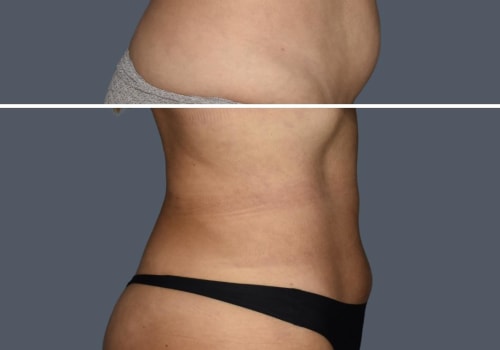
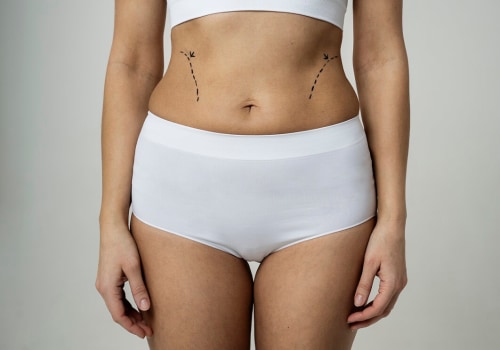
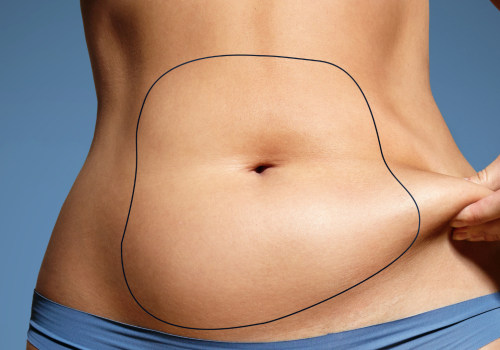
Liposuction is a popular cosmetic procedure designed to remove stubborn fat deposits from various areas of the body. This surgical technique is particularly effective for individuals who struggle to achieve their desired body shape through diet and exercise alone. By targeting specific regions, liposuction can sculpt the body, enhancing contours and improving overall appearance. The procedure is not intended as a weight-loss solution but rather as a means to refine and enhance one’s physique.The process of liposuction involves the use of a thin tube, known as a cannula, which is inserted through small incisions in the skin.
This cannula is then used to suction out excess fat from the targeted areas. The procedure can be performed under local or general anaesthesia, depending on the extent of fat removal and the patient’s comfort level. Patients can expect to see immediate results, although final outcomes may take several weeks to fully manifest as swelling subsides.One of the key advantages of liposuction is its versatility; it can be applied to various parts of the body, including the abdomen, thighs, buttocks, arms, and even the neck. Each treatment plan is tailored to meet the individual needs and goals of the patient, ensuring that the results are both satisfying and natural-looking.
As with any surgical procedure, it is essential for potential candidates to consult with a qualified plastic surgeon to discuss their expectations and understand the risks involved.In summary, liposuction serves as an effective method for removing unwanted fat and achieving a more contoured silhouette. By understanding what liposuction entails and how it works, individuals can make informed decisions about whether this procedure aligns with their aesthetic goals.
Types of Liposuction Techniques
Liposuction has evolved significantly over the years, leading to the development of various techniques that cater to different patient needs and preferences. Understanding these techniques is essential for anyone considering liposuction, as each method offers unique benefits and potential drawbacks.Tumescent Liposuction
Tumescent liposuction is one of the most commonly performed techniques today. This method involves injecting a solution containing saline, lidocaine, and epinephrine into the targeted fat areas before the actual suctioning process begins.The saline solution helps to swell and firm the fat tissue, making it easier to remove. The lidocaine provides local anaesthesia, while epinephrine constricts blood vessels, reducing bleeding during the procedure.
Advantages:
- Minimally invasive with reduced recovery time.
- Lower risk of complications due to the use of local anaesthesia.
- Less bruising and swelling compared to traditional methods.
Drawbacks:
- May not be suitable for larger volumes of fat removal.
- Results can vary based on the surgeon's experience.
Ultrasound-Assisted Liposuction (UAL)
This technique employs ultrasound energy to liquefy fat cells before they are suctioned out. The ultrasound waves create vibrations that break down fat deposits, making them easier to remove. UAL is particularly effective for fibrous areas of the body, such as the back or male breast tissue.Advantages:
- Effective for larger volumes of fat removal.
- Can target fibrous areas that are challenging with traditional methods.
Drawbacks:
- Higher risk of thermal injury due to heat generated by ultrasound.
- Longer recovery time compared to tumescent liposuction.
Laser Liposuction
Laser liposuction uses laser energy to melt away fat before it is removed through suction.This technique is often marketed as a less invasive option with minimal downtime. The laser also stimulates collagen production, which can lead to tighter skin post-procedure.
Advantages:
- Minimally invasive with smaller incisions required.
- Promotes skin tightening due to collagen stimulation.
Drawbacks:
- The effectiveness can vary based on the laser technology used.
- Potential for uneven results if not performed by an experienced surgeon.
Factors Influencing Fat Removal in Liposuction
When considering liposuction, it is crucial to understand the various factors that can influence the amount of fat that can be safely removed during the procedure. These factors not only affect the results but also play a significant role in ensuring patient safety and satisfaction.Body Mass Index (BMI)
One of the primary factors influencing fat removal in liposuction is the patient's body mass index (BMI).BMI is a measure that uses height and weight to determine whether an individual is underweight, normal weight, overweight, or obese. Generally, patients with a higher BMI may have more fat available for removal; however, this does not mean they are ideal candidates for high-volume liposuction.Surgeons often assess BMI to evaluate overall health and potential risks associated with surgery. For instance, patients with a BMI over 30 may face increased risks of complications during and after the procedure. Therefore, achieving a healthy weight through diet and exercise prior to surgery can enhance safety and improve outcomes.
Treatment Areas
The specific areas targeted during liposuction also significantly impact how much fat can be removed.Common treatment areas include:
- Abdomen
- Thighs
- Hips
- Arms
- Back
- Neck
Individual Patient Goals
Every patient has unique goals and expectations regarding their body contouring journey. Understanding these personal objectives is essential for setting realistic expectations about what liposuction can achieve.During consultations, surgeons discuss desired outcomes with patients to tailor the procedure accordingly.For instance, a patient aiming for a subtle change may require less fat removal than someone seeking a dramatic transformation. Clear communication between the surgeon and patient helps ensure that both parties are aligned on goals, ultimately leading to higher satisfaction with the results.In summary, factors such as BMI , treatment areas, and individual goals play pivotal roles in determining how much fat can be safely removed during liposuction. By understanding these elements, patients can make informed decisions and set realistic expectations for their surgical experience.
Safety Guidelines and Recommendations
When considering liposuction, understanding the safety guidelines is paramount to ensuring a successful outcome. The American Society of Plastic Surgeons (ASPS) has established comprehensive recommendations that serve as a framework for both surgeons and patients. , understanding the safety guidelines is paramount to ensuring a successful outcome. The American Society of Plastic Surgeons (ASPS) has established comprehensive recommendations that serve as a framework for both surgeons and patients.These guidelines are designed to minimise risks and enhance the overall safety of the procedure.One of the most critical aspects of these guidelines is the maximum amount of fat that can be safely removed during a single liposuction session. According to ASPS recommendations, the upper limit is generally set at 5 litres5 litres (approximately 11 pounds). This threshold is based on extensive research and clinical experience, which indicates that exceeding this volume can significantly increase the risk of complications.Complications may include:
- Fluid imbalance: Removing excessive fat can lead to dehydration or fluid overload, which may strain the cardiovascular system.
- Infection: Larger volumes of fat removal can heighten the risk of postoperative infections, necessitating careful monitoring and management.
- Seroma formation: This condition involves fluid accumulation in the surgical area, which may require additional procedures to drain.
- Anesthesia complications: The more extensive the procedure, the greater the potential for adverse reactions to anaesthesia.
This method allows for better healing and reduces the likelihood of complications. For patients requiring significant fat removal, surgeons typically recommend spacing procedures by at least three to four months.Furthermore, adherence to these safety guidelines not only protects patients but also enhances their satisfaction with the results. A well-planned approach ensures that patients achieve their desired body contour while prioritising their health and well-being.In conclusion, understanding and following the ASPS safety guidelines regarding liposuction is crucial for anyone considering this procedure. By respecting the recommended limits on fat removal and engaging in open discussions with qualified plastic surgeons, patients can significantly reduce risks and improve their overall experience.
Preparing for Liposuction: What to Expect
Preparing for liposuction is a crucial step that can significantly influence the outcome of your procedure.Understanding what to expect and how to prepare can alleviate anxiety and enhance your overall experience. Here are some essential tips and guidelines to help you get ready for your liposuction journey.
Pre-Surgery Consultation
Your first step in preparing for liposuction is to schedule a comprehensive consultation with your plastic surgeon. During this meeting, you will discuss:- Your medical history, including any previous surgeries or health conditions.
- Your goals and expectations regarding the procedure.
- The specific areas of your body you wish to target for fat removal.
- Potential risks and complications associated with liposuction.
Medical Evaluations
Before undergoing liposuction, your surgeon may require certain medical evaluations to ensure you are a suitable candidate. These evaluations can include:- Blood tests: To assess your overall health and identify any underlying conditions that could affect surgery.
- Cardiovascular assessment: If you have a history of heart issues, additional tests may be necessary.
- Physical examination: A thorough examination to evaluate your body composition and skin elasticity.
Lifestyle Adjustments
Making certain lifestyle changes in the weeks leading up to your liposuction can improve your results and recovery time.Consider the following adjustments:
- Avoid smoking: Smoking can impede healing and increase the risk of complications. It is advisable to quit at least four weeks before surgery.
- Maintain a healthy diet: Eating a balanced diet rich in fruits, vegetables, lean proteins, and whole grains can help optimise your body’s condition for surgery.
- Stay hydrated: Drinking plenty of water aids in recovery and helps maintain skin elasticity.
- Avoid certain medications: Discuss with your surgeon any medications or supplements you are taking, as some can increase bleeding risk. Common culprits include aspirin, ibuprofen, and certain herbal supplements.
Post-Operative Care and Recovery Process
Recovering from liposuction is a crucial phase that significantly impacts the overall results of the procedure.Understanding how to manage your recovery effectively can lead to a smoother healing process and optimal outcomes. Here are some essential tips and guidelines for post-operative care.
Managing Pain and Discomfort
It is common to experience some level of pain and discomfort following liposuction. Your surgeon will likely prescribe pain medication to help manage this. Here are some strategies to alleviate discomfort:- Follow Medication Instructions: Take prescribed pain relief medications as directed.
Do not wait until the pain becomes severe before taking them.
- Use Ice Packs: Applying ice packs to the treated areas can help reduce swelling and numb the pain. Ensure you wrap ice packs in a cloth to avoid direct contact with the skin.
- Rest: Allow your body ample time to heal by getting plenty of rest. Avoid strenuous activities for at least a few weeks post-surgery.
Caring for Incisions
Proper care of your incisions is vital to prevent infection and promote healing. Follow these guidelines:- Keep Incisions Clean: Gently clean the incision sites with mild soap and water as instructed by your surgeon.
Avoid soaking in baths or swimming pools until cleared.
- Avoid Tight Clothing: Wear loose-fitting clothing to prevent irritation around the incision sites. Compression garments may be recommended to support healing.
- Monitor for Signs of Infection: Watch for increased redness, swelling, or discharge from the incisions, which could indicate an infection. Contact your surgeon if you notice any concerning symptoms.
Understanding the Healing Process
The healing process varies from person to person, but here are some general expectations:- Swelling and Bruising: Expect swelling and bruising in the treated areas, which may take several weeks to subside.
- Gradual Improvement: Most patients notice gradual improvements in their body shape over time as swelling decreases and skin tightens.
- Follow-Up Appointments: Attend all scheduled follow-up appointments with your surgeon to monitor your recovery progress and address any concerns.
Realistic Expectations: Results and Longevity
When considering liposuction, it is essential for patients to have realistic expectations regarding the results, the timeline for seeing these results, and how long they can expect them to last. Understanding these factors can significantly enhance the overall satisfaction with the procedure.Results Timeline
Immediately after the liposuction procedure, patients may notice a reduction in fat in the treated areas; however, this is often accompanied by swelling and bruising, which can obscure the final results.Typically, most patients will begin to see noticeable changes within a few weeks as the swelling subsides. Full results are generally visible around three to six months post-surgery, as the body continues to heal and adjust to its new contours.
Longevity of Results
The longevity of liposuction results largely depends on individual factors such as age, skin elasticity, and lifestyle choices. While liposuction permanently removes fat cells from targeted areas, it is crucial to maintain a stable weight to preserve these results. If a patient gains weight after the procedure, remaining fat cells can expand, potentially leading to a return of unwanted fat in both treated and untreated areas.Maintaining Results After Liposuction
To ensure that the results of liposuction last as long as possible, patients should consider adopting a healthy lifestyle that includes:- Balanced Diet: Focus on whole foods rich in nutrients while limiting processed foods and sugars.
- Regular Exercise: Incorporate both cardiovascular and strength training exercises into your routine to help maintain muscle tone and metabolic rate.
- Hydration: Drink plenty of water to support overall health and skin elasticity.
- Avoiding Smoking: Smoking can negatively impact circulation and skin health, which may affect the appearance of your results.
Common Myths and Misconceptions about Liposuction
Liposuction is often surrounded by a cloud of myths and misconceptions that can lead to misunderstandings about the procedure and its outcomes.By debunking these myths, we can provide a clearer understanding of what liposuction truly involves and its effectiveness in fat removal.
Myth 1: Liposuction is a Weight Loss Solution
One of the most prevalent misconceptions is that liposuction is a method for significant weight loss. In reality, liposuction is designed to target specific areas of stubborn fat that are resistant to diet and exercise. It is not a substitute for a healthy lifestyle or a weight loss programme. The ideal candidates for liposuction are those who are close to their target weight but struggle with localized fat deposits.
Myth 2: Liposuction Removes All Fat from Treated Areas
Another common myth is that liposuction can completely eliminate fat from the treated areas.
While the procedure can remove a substantial amount of fat, it does not guarantee complete fat removal. The remaining fat cells can still expand if the patient does not maintain a healthy lifestyle post-surgery. Therefore, it’s crucial to have realistic expectations regarding the results.
Myth 3: Liposuction is Only for Women
This misconception suggests that liposuction is exclusively for women, but this is far from the truth. Men also seek liposuction to address areas such as the abdomen, love handles, and chest.
The procedure is suitable for anyone looking to enhance their body contour, regardless of gender.
Myth 4: Liposuction is a Quick Fix
Many believe that liposuction offers an instant solution to body image issues. However, while the results can be immediate, they require time to fully manifest as swelling subsides and healing progresses. Additionally, maintaining results necessitates ongoing commitment to a healthy lifestyle.
Myth 5: Liposuction is Painful and Has Long Recovery Times
While some discomfort is expected after any surgical procedure, advancements in techniques and anaesthesia have significantly reduced pain levels associated with liposuction. Most patients report manageable discomfort and can return to normal activities within a few days, depending on the extent of the procedure.By addressing these common myths, potential patients can make informed decisions about whether liposuction is right for them.
Understanding the realities of the procedure helps set realistic expectations and encourages individuals to pursue their body goals safely and effectively.
Who is an Ideal Candidate for Liposuction?
Determining whether you are an ideal candidate for liposuction involves evaluating several key factors that contribute to both the safety and effectiveness of the procedure. Understanding these criteria can help potential patients make informed decisions about their body contouring goals.1.Overall Health Status
- Individuals considering liposuction should be in good overall health. This includes having no serious medical conditions that could complicate surgery or recovery, such as heart disease, diabetes, or blood clotting disorders.
- A thorough pre-operative assessment by a qualified plastic surgeon is essential to ensure that any underlying health issues are addressed.
2.Body Mass Index (BMI)
The ideal candidates for liposuction typically have a BMI within the range of 30 or lower. While liposuction is not a weight-loss solution, it is most effective for those who are close to their target weight but struggle with stubborn fat deposits that resist diet and exercise.
3.Skin Elasticity
Good skin elasticity is crucial for achieving optimal results post-surgery.
Candidates with firm, elastic skin are more likely to experience smooth and contoured results after fat removal. Conversely, individuals with loose or sagging skin may require additional procedures, such as a tummy tuck, to achieve their desired appearance.
4.Specific Fat Deposits
Liposuction is particularly beneficial for those with localized fat deposits that do not respond to traditional weight loss methods. Common areas include the abdomen, thighs, hips, and arms. Candidates should have realistic expectations regarding the amount of fat that can be removed and the resulting body shape.
5.Commitment to a Healthy Lifestyle
Successful liposuction candidates are often those who are committed to maintaining a healthy lifestyle post-procedure.
This includes adhering to a balanced diet and regular exercise regimen to sustain their results over time.
6.Psychological Preparedness
Candidates should also be psychologically prepared for the changes that come with liposuction. This includes understanding the recovery process and having realistic expectations about the outcomes of the surgery.In summary, ideal candidates for liposuction are those who are healthy, within a reasonable weight range, have good skin elasticity, and possess specific fat deposits they wish to target. By assessing these factors, individuals can better determine their suitability for this transformative procedure.
<strong>Conclusion</strong>
In summary, liposuction remains a highly effective surgical option for individuals seeking to eliminate stubborn fat deposits that resist diet and exercise. The advancements in techniques, such as 360 Liposuction, have significantly enhanced the potential for fat removal, allowing for up to 5000 ml to be extracted safely across multiple areas of the body.However, it is crucial to approach this procedure with a clear understanding of its limitations and the importance of patient safety.As discussed, the maximum volume of fat that can be removed during a single session is generally between six and eight pounds (three to four litres). This guideline is not arbitrary; it is based on extensive research and clinical experience aimed at minimising risks and ensuring optimal outcomes. Exceeding these limits can lead to complications that may compromise both health and aesthetic results.Moreover, the decision to undergo liposuction should be made collaboratively between the patient and a qualified plastic surgeon. A thorough consultation is essential to evaluate individual goals, body composition, and overall health.
This dialogue helps set realistic expectations and ensures that patients are well-informed about what the procedure entails.It is also worth noting that liposuction is not a weight-loss solution but rather a body contouring procedure. Ideal candidates are those who are close to their target weight but struggle with specific areas of fat accumulation. Post-operative care and lifestyle adjustments play a significant role in maintaining results, making it imperative for patients to commit to a healthy lifestyle following their surgery.In conclusion, while liposuction offers remarkable benefits in fat removal and body shaping, it is essential to approach it with caution and respect for the body's limits. By adhering to safety guidelines and engaging in open communication with healthcare professionals, patients can achieve their desired outcomes while minimising risks.