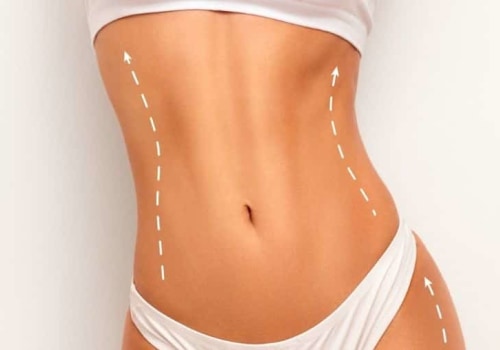
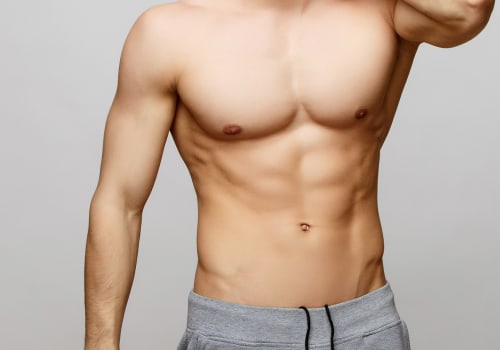
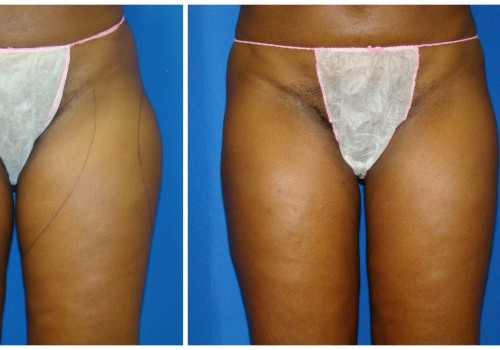
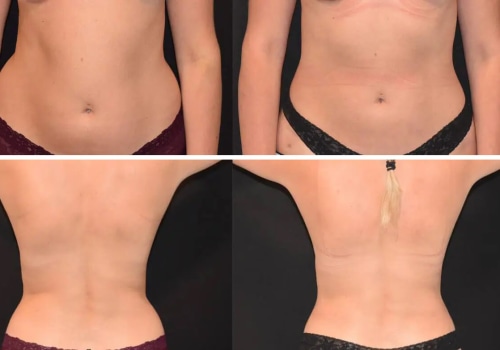
Liposuction is a popular cosmetic surgical procedure that aims to reshape and contour the body by removing excess fat deposits. While many individuals consider liposuction as a quick fix for weight loss, it is essential to understand that this procedure is not designed for significant weight reduction. Instead, liposuction serves as a means to enhance body proportions and achieve a more aesthetically pleasing silhouette. It is particularly effective for targeting stubborn fat areas that are resistant to diet and exercise, such as the abdomen, thighs, hips, and arms.Despite its effectiveness in body sculpting, there are prevalent misconceptions surrounding liposuction, particularly regarding its weight limits.
Many people mistakenly believe that they can lose large amounts of weight through this procedure. However, medical professionals emphasise that liposuction should not be viewed as a primary weight-loss method. The American Society of Plastic Surgeons has established guidelines that recommend a maximum fat removal limit of approximately five litres (around 11 pounds) during a single session. Most experienced surgeons typically advise a more conservative approach, often limiting fat removal to between six to eight pounds (three to four litres) to ensure patient safety and optimal results.Understanding the true purpose of liposuction is crucial for anyone considering the procedure. Many people mistakenly believe that they can lose large amounts of weight through this procedure. However, medical professionals emphasise that liposuction should not be viewed as a primary weight-loss method. The American Society of Plastic Surgeons has established guidelines that recommend a maximum fat removal limit of approximately five litres (around 11 pounds) during a single session. Most experienced surgeons typically advise a more conservative approach, often limiting fat removal to between six to eight pounds (three to four litres) to ensure patient safety and optimal results.Understanding the true purpose of liposuction is crucial for anyone considering the procedure.
It is not merely about shedding pounds but rather about sculpting the body to achieve desired contours. This distinction is vital for setting realistic expectations and ensuring satisfaction with the results. As we delve deeper into the topic of liposuction, we will explore the specific weight limits associated with the procedure, the factors influencing these limits, and why it is essential to consult with a qualified plastic surgeon before making any decisions regarding body contouring.
What is Liposuction?
Liposuction
is a popular cosmetic surgical procedure designed to remove excess fat from specific areas of the body, helping to sculpt and enhance the body's natural contours. It is essential to understand that liposuction is not a weight-loss solution but rather a body contouring technique aimed at individuals who are close to their ideal weight but struggle with stubborn fat deposits.The procedure works by using a suction technique to remove fat from various parts of the body, including the abdomen, thighs, buttocks, arms, neck, and back.
During liposuction, a qualified plastic surgeon makes small incisions in the skin and inserts a thin tube called a cannula. This cannula is connected to a vacuum device that gently removes fat cells from the targeted areas.
How Liposuction Works
The process begins with an initial consultation where the surgeon evaluates the patient's health, discusses aesthetic goals, and determines if they are a suitable candidate for the procedure. Once approved, the patient is typically placed under local or general anaesthesia, depending on the extent of fat removal required.After anaesthesia is administered, the surgeon will make small incisions in discreet locations to minimise scarring. The cannula is then inserted through these incisions, allowing for precise fat removal.The surgeon carefully manoeuvres the cannula to break up and suction out fat cells while ensuring that surrounding tissues remain intact. This meticulous approach helps achieve smooth and even results.
Types of Liposuction
There are several types of liposuction techniques available, each with its unique advantages:- Tumescent Liposuction: This is the most common technique where a solution containing saline, anaesthetic, and epinephrine is injected into the treatment area before fat removal. This method reduces bleeding and pain during the procedure.
- Ultrasound-Assisted Liposuction (UAL): This technique uses ultrasound energy to liquefy fat cells before they are suctioned out. It is particularly effective for fibrous areas of the body.
- Laser-Assisted Liposuction (LAL): Similar to UAL, this method employs laser energy to melt fat cells, making them easier to remove. Similar to UAL, this method employs laser energy to melt fat cells, making them easier to remove.
It also promotes skin tightening due to collagen stimulation.
- Suction-Assisted Liposuction (SAL): This traditional method relies solely on suction without additional techniques like ultrasound or laser. It is effective for larger volumes of fat removal.
The Purpose of Liposuction: Sculpting vs. Weight Loss
Liposuction is often misconceived as a straightforward method for weight loss, but its true purpose lies in body sculpting.This surgical procedure is designed to remove stubborn fat deposits that are resistant to diet and exercise, thereby enhancing the body's contours rather than serving as a primary weight-loss solution.Many individuals seeking liposuction may have unrealistic expectations, believing that they can shed significant pounds through this procedure. However, it is crucial to understand that liposuction is not intended for substantial weight reduction. Instead, it focuses on refining specific areas of the body, such as the abdomen, thighs, hips, and arms, to achieve a more balanced and aesthetically pleasing silhouette.When considering liposuction, potential candidates should reflect on their cosmetic surgery goals. The ideal candidates are typically those who are already at or near their target weight but struggle with localized fat deposits.
For instance, someone may be within a healthy weight range but still have excess fat in certain areas that detract from their overall appearance. Liposuction can effectively address these concerns by sculpting the body and creating a more harmonious shape.Moreover, it is essential to recognise that while liposuction can permanently remove fat cells from targeted areas, it does not prevent future weight gain. If a patient does not maintain a healthy lifestyle post-procedure, there is a risk of gaining weight in other areas of the body. Therefore, liposuction should be viewed as a complement to a healthy lifestyle rather than a substitute for traditional weight-loss methods.In summary, understanding the primary purpose of liposuction as a body sculpting procedure rather than a weight-loss solution is vital for managing expectations.
Candidates should approach this surgery with realistic goals and an awareness of its limitations. Consulting with a qualified plastic surgeon can provide valuable insights into whether liposuction aligns with individual aesthetic aspirations and health considerations.
Understanding Weight Limits in Liposuction
When considering liposuction, understanding the weight limits for fat removal is crucial for both safety and achieving desired results. The American Society of Plastic Surgeons (ASPS) has established guidelines that help define these limits, ensuring that patients are well-informed and protected during their cosmetic procedures.The ASPS recommends a maximum fat removal of approximately five litres , which is roughly equivalent to 11 pounds. However, many experienced surgeons prefer to adhere to a more conservative approach, typically limiting fat removal to between three to four litres (or about six to eight pounds ).This cautious stance is primarily due to the potential risks associated with excessive fat removal, which can lead to complications such as fluid imbalance, infection, or even more severe health issues.Several factors influence the safe limits for liposuction:
- Patient's Overall Health: A thorough assessment of a patient's health status is essential. Those with underlying medical conditions or significant obesity may not be suitable candidates for high-volume liposuction.
- Body Weight and Composition: The total body weight and distribution of fat play a significant role in determining how much fat can be safely removed. Patients with a higher body mass index (BMI) may require a more tailored approach.
- Treatment Area: The specific areas targeted for liposuction can also affect the amount of fat that can be safely extracted. For instance, larger areas may allow for more fat removal compared to smaller, more delicate regions.
- Combination Procedures: If liposuction is performed alongside other surgical procedures, the total volume of fat removed may need to be adjusted accordingly to ensure patient safety.
While it can effectively sculpt and enhance body contours, it should not be viewed as a primary method for weight loss. Instead, it serves as a complementary procedure for those who are already at or near their target weight.In conclusion, adhering to the recommended weight limits for liposuction is essential for ensuring patient safety and satisfaction. By understanding these guidelines and discussing them with a qualified plastic surgeon, individuals can make informed decisions about their cosmetic goals and the best approaches to achieve them.
Factors Influencing Safe Liposuction Limits
When considering liposuction, it is essential to understand that several factors influence the safe limits of fat removal. These factors not only ensure the safety of the procedure but also contribute to achieving optimal results tailored to each individual.Patient Health Considerations
The overall health of a patient is perhaps the most critical factor in determining how much fat can be safely removed during liposuction.A thorough medical evaluation is necessary to assess any underlying health issues that may pose risks during surgery. Conditions such as obesity, diabetes, cardiovascular diseases, and respiratory issues can significantly affect a patient's suitability for the procedure.For instance, patients who are significantly overweight may face higher risks of complications during and after surgery. Surgeons often recommend that these individuals reach a healthier weight through diet and exercise before considering liposuction. This not only enhances safety but also improves the likelihood of achieving satisfactory results.
Body Type and Liposuction
Another crucial aspect influencing liposuction limits is the patient's body type.Different body shapes and fat distribution patterns can affect how much fat can be removed safely. For example:
- Apple-shaped individuals , who store more fat around their abdomen, may have different considerations compared to pear-shaped individuals , who tend to accumulate fat in their hips and thighs.
- Muscle tone also plays a role; patients with higher muscle mass may tolerate more fat removal than those with less muscle definition.
- The skin elasticity of a patient is another factor; those with good skin elasticity may achieve better contouring results after fat removal.
Combination Procedures
If a patient is considering additional cosmetic procedures alongside liposuction, this can also influence the safe limits for fat removal. For example, combining liposuction with tummy tucks or breast augmentations may necessitate a more conservative approach to fat removal to ensure that the body can handle multiple surgical interventions without increasing risks.Ultimately, understanding these factors is vital for potential candidates contemplating liposuction. A comprehensive consultation with a qualified plastic surgeon will provide personalised insights into how these elements apply to individual circumstances, ensuring that patients have realistic expectations and a clear understanding of what the procedure entails.Risks of Exceeding Weight Limits in Liposuction
When considering liposuction, it is essential to understand the potential risks associated with exceeding the recommended weight limits for fat removal.While the procedure can yield impressive results, pushing beyond these limits can lead to serious complications that may compromise both health and aesthetic outcomes.
1.Increased Risk of Complications
- Infection: Removing excessive fat can increase the likelihood of infection at the surgical site. The more extensive the procedure, the greater the risk of bacteria entering the body, leading to postoperative infections that may require additional treatment.
- Fluid Imbalance: Liposuction involves the removal of fat along with some fluid. Exceeding safe limits can disrupt the body's fluid balance, potentially resulting in dehydration or fluid overload, which can strain the heart and other organs.
- Blood Clots: The risk of developing blood clots increases with larger volumes of fat removal. These clots can travel to vital organs, such as the lungs, leading to serious conditions like pulmonary embolism.
- Anesthesia Risks: Larger procedures often require more extensive anesthesia, which carries its own set of risks.
Complications from anesthesia can include respiratory issues and adverse reactions, particularly in patients with underlying health conditions.
2.Aesthetic Concerns
Exceeding recommended fat removal limits can also lead to unsatisfactory aesthetic results. When too much fat is removed, patients may experience:
- Uneven Contours: Removing excessive fat from certain areas can create an unnatural appearance, leading to uneven body contours that may require corrective procedures.
- Skin Laxity: The skin may not retract properly after significant fat removal, resulting in sagging or loose skin that detracts from the desired outcome.
3.Psychological Impact
The psychological effects of undergoing a procedure that does not meet expectations can be profound. Patients may experience disappointment or dissatisfaction with their results, leading to emotional distress and a negative body image.
4.Importance of Safe Practices
To mitigate these risks, it is crucial for patients to adhere to safe practices in cosmetic surgery:
- Consultation: Always consult with a qualified plastic surgeon who can assess individual health conditions and provide tailored recommendations regarding safe fat removal limits.
- Realistic Expectations: Understand that liposuction is not a weight-loss solution but a body contouring procedure. Setting realistic goals will help ensure satisfaction with the results.
- Postoperative Care: Follow all postoperative care instructions diligently to promote healing and reduce the risk of complications.
Patients should prioritise safety and informed decision-making by working closely with experienced professionals throughout their cosmetic journey.
Preparing for Liposuction: What You Need to Know
Preparing for liposuction is a crucial step in ensuring a successful outcome and a smooth recovery. Understanding what to expect during the process can alleviate anxiety and help you make informed decisions. Here are some essential guidelines to consider as you prepare for your procedure.Consultation with Your Plastic Surgeon
Your journey begins with a comprehensive consultation with a qualified plastic surgeon. This meeting is an opportunity to discuss your goals, expectations, and any concerns you may have.
During this consultation, be prepared to:
- Share Your Medical History: Provide detailed information about your health, including any pre-existing conditions, medications you are taking, and previous surgeries.
- Discuss Your Goals: Clearly articulate what you hope to achieve with liposuction. This will help your surgeon tailor the procedure to meet your aesthetic desires.
- Ask Questions: Don’t hesitate to ask about the procedure, recovery time, potential risks, and what results you can realistically expect.
Pre-Surgery Guidelines
Mental Preparation
Understand that while liposuction can enhance your body contours, it is not a substitute for a healthy lifestyle. Setting realistic expectations will help you appreciate the results more fully.By following these guidelines and maintaining open communication with your plastic surgeon, you can ensure that you are well-prepared for your liposuction procedure. This preparation not only enhances safety but also contributes significantly to achieving the desired aesthetic outcomes.
Post-Procedure Care and Expectations After Liposuction
After undergoing liposuction, patients often have a myriad of questions regarding their recovery and what to expect in the days and weeks following the procedure. Understanding the post-operative care and managing expectations is crucial for achieving satisfactory results.Immediate Post-Operative Care
- Following the surgery, patients will typically experience swelling, bruising, and discomfort in the treated areas.
These symptoms are normal and can vary in intensity depending on the extent of the procedure.
- It is essential to follow your surgeon's specific instructions regarding pain management. This may include prescribed medications or over-the-counter pain relievers.
- Wearing a compression garment as advised is crucial. This garment helps reduce swelling and supports the healing process by providing necessary pressure to the treated areas.
Managing Swelling and Bruising
Swelling can persist for several weeks post-surgery, but it will gradually subside. To aid in this process, consider:
- Staying hydrated to help flush out excess fluids.
- Avoiding strenuous activities and heavy lifting for at least a few weeks.
- Engaging in light walking as soon as you feel able, as this promotes circulation and can aid recovery.
Long-Term Recovery Expectations
The full results of liposuction may not be visible immediately due to swelling.
It can take several months for the final contours to emerge. During this time, it’s important to maintain realistic expectations:
- Your body will continue to change as swelling decreases and your skin adjusts to its new shape.
- Weight fluctuations can affect your results; therefore, maintaining a stable weight through a balanced diet and regular exercise is advisable.
- If you have any concerns about your recovery or results, do not hesitate to reach out to your surgeon for guidance.
Emotional Well-Being Post-Surgery
It’s common for patients to experience a range of emotions after surgery. Some may feel elated with their new appearance, while others might feel anxious about their recovery process. Engaging with support groups or speaking with friends who have undergone similar procedures can be beneficial.In conclusion, proper post-operative care and managing expectations are vital components of a successful liposuction experience.
By adhering to your surgeon's guidelines and being patient with your body’s healing process, you can achieve the desired results while ensuring a smooth recovery journey.
Realistic Expectations: Liposuction vs. Traditional Weight Loss Methods
When considering body contouring options, it is essential to understand the differences between liposuction and traditional weight loss methods such as diet and exercise. While both aim to improve body shape and enhance self-esteem, they serve distinct purposes and yield different results.Liposuction
is primarily a cosmetic procedure designed to remove stubborn fat deposits that are resistant to diet and exercise. It is not a weight-loss solution but rather a means to sculpt the body by targeting specific areas.
Patients often seek liposuction to achieve a more defined silhouette, particularly in areas like the abdomen, thighs, and arms. However, it is crucial to have realistic expectations regarding the amount of fat that can be safely removed during the procedure.In contrast, traditional weight loss methods focus on overall health improvement and sustainable lifestyle changes. A balanced diet combined with regular exercise can lead to gradual weight loss and long-term health benefits. These methods not only help in reducing body fat but also improve cardiovascular health, increase energy levels, and enhance mental well-being.Setting realistic expectations after undergoing liposuction is vital.
Many patients anticipate immediate and dramatic changes in their appearance; however, the results may take time to fully manifest as swelling subsides and the body heals. It is also important to note that while liposuction removes fat cells from targeted areas, it does not prevent future weight gain. If a patient does not maintain a healthy lifestyle post-procedure, there is a risk of gaining weight in other areas of the body.To effectively manage weight after liposuction, patients should:
- Adopt a balanced diet rich in nutrients.
- Engage in regular physical activity tailored to their fitness level.
- Stay hydrated and get adequate sleep.
- Consider follow-up consultations with their surgeon or a nutritionist for ongoing support.
<strong>Conclusion</strong>
In summary, understanding the truth about liposuctiontruth about liposuction and its associated weight limits is crucial for anyone considering this procedure.While liposuction can effectively remove stubborn fat deposits and enhance body contours, it is not a weight-loss solution. The primary aim of liposuction is to sculpt the body, achieving a more aesthetically pleasing shape rather than serving as a method for significant weight reduction.The guidelines set forth by the American Society of Plastic Surgeons indicate that the maximum safe amount of fat that can be removed during a single liposuction session is approximately five litres, or around eleven pounds. However, most experienced surgeons recommend a more conservative approach, typically limiting fat removal to between six to eight pounds (three to four litres). This cautious strategy helps mitigate potential complications and ensures patient safety.It is essential to recognise that individual factors play a significant role in determining the appropriate amount of fat that can be safely removed.
These factors include:
- Overall health: Patients with underlying health conditions or those who are significantly overweight may not be suitable candidates for liposuction.
- Body weight and shape: Each patient's unique body composition influences the amount of fat that can be safely extracted.
- Combination procedures: If liposuction is performed alongside other surgical interventions, this may affect the total volume of fat that can be removed.
They will assess your individual circumstances and help you understand what is achievable through liposuction while ensuring your safety and satisfaction with the results. By approaching this procedure with informed expectations and a clear understanding of its limitations, you can make a decision that aligns with your aesthetic goals and overall health.