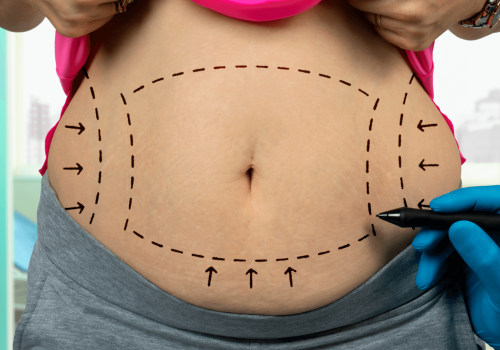
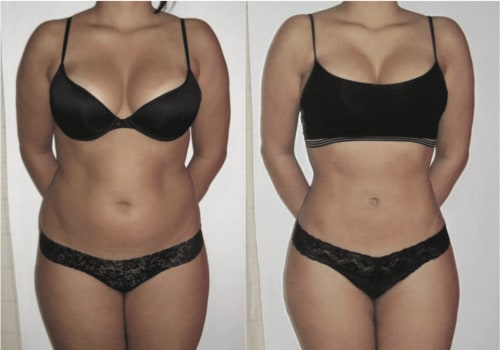
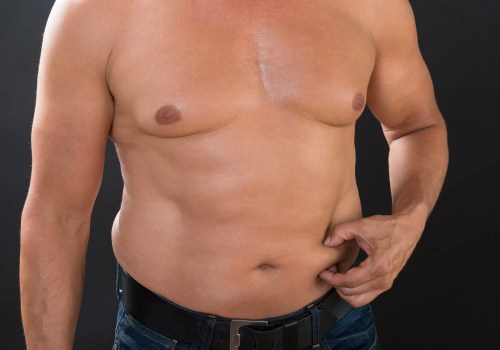
Liposuction is a widely recognised cosmetic procedure designed to remove excess fat from specific areas of the body, enhancing overall body contour and shape. Often referred to as lipoplasty or body sculpting, this surgical technique employs suction to extract unwanted fat deposits, allowing individuals to achieve a more toned appearance. While many people consider liposuction as a solution for stubborn fat that resists diet and exercise, it is essential to understand the intricacies of the procedure and its intended purpose.The process begins with a thorough consultation with a qualified plastic surgeon, who will assess your individual needs and discuss your aesthetic goals. During this initial meeting, the surgeon will explain the various techniques available, such as tumescent liposuction, ultrasound-assisted liposuction, and laser-assisted liposuction. or body sculpting, this surgical technique employs suction to extract unwanted fat deposits, allowing individuals to achieve a more toned appearance. While many people consider liposuction as a solution for stubborn fat that resists diet and exercise, it is essential to understand the intricacies of the procedure and its intended purpose.The process begins with a thorough consultation with a qualified plastic surgeon, who will assess your individual needs and discuss your aesthetic goals. During this initial meeting, the surgeon will explain the various techniques available, such as tumescent liposuction, ultrasound-assisted liposuction, and laser-assisted liposuction.
Each method has its unique advantages and may be more suitable for different body types or areas of fat accumulation.Once you decide to proceed with the surgery, the procedure typically involves administering anaesthesia to ensure your comfort. The surgeon will then make small incisions in the targeted areas and insert a thin tube called a cannula. This cannula is connected to a vacuum device that gently removes fat cells from beneath the skin. The entire process can take anywhere from one to several hours, depending on the extent of fat removal required.It is crucial to note that while liposuction can significantly improve body contours, it is not a weight-loss solution or a substitute for healthy lifestyle choices.
The best candidates for this procedure are those who are close to their ideal weight but struggle with specific areas of fat that do not respond to traditional weight loss methods. Understanding these fundamental aspects of liposuction will help you make an informed decision about whether this procedure aligns with your personal goals.
Common Misconceptions About Liposuction
When considering liposuction, it is crucial to separate fact from fiction. Many individuals harbour misconceptions that can lead to unrealistic expectations and disappointment. Here, we will explore some of the most common myths surrounding this popular cosmetic procedure.Myth 1: Liposuction is a Weight Loss Solution
One of the most prevalent misconceptions is that liposuction serves as a method for significant weight loss.
In reality, liposuction is designed to target specific areas of stubborn fat that are resistant to diet and exercise. It is not intended for those who are significantly overweight or seeking to lose large amounts of weight. Instead, it is best suited for individuals who are close to their ideal weight but wish to refine their body contours.
Myth 2: Liposuction Can Eliminate Cellulite
Another common belief is that liposuction can effectively remove cellulite. While the procedure can reduce fat deposits, it does not address the underlying causes of cellulite, which include fibrous connective tissue that creates the dimpled appearance on the skin.
Therefore, if cellulite is your primary concern, you may need to explore other treatment options.
Myth 3: Liposuction Results Are Permanent
Many people assume that once they undergo liposuction, they will never have to worry about fat accumulation in the treated areas again. This is misleading. Although liposuction removes fat cells from specific areas, it does not prevent new fat cells from forming if a healthy lifestyle is not maintained. If you gain weight after the procedure, remaining fat cells can expand, potentially altering your results.
Myth 4: Liposuction Is a Quick Fix
Liposuction should not be viewed as a quick fix for body image issues.
It requires careful consideration and commitment to a healthy lifestyle post-procedure. Patients must be prepared for recovery time and follow their surgeon's guidelines to achieve optimal results.
Myth 5: Anyone Can Get Liposuction
While liposuction is widely available, it is not suitable for everyone. Candidates should be in good health and have realistic expectations about what the procedure can achieve. A thorough consultation with a qualified plastic surgeon will help determine if you are an appropriate candidate for liposuction.By debunking these myths, potential patients can approach liposuction with a clearer understanding of what to expect, leading to more satisfying outcomes and improved body confidence.
The Liposuction Procedure: What to Expect
Understanding the liposuction procedure is crucial for anyone considering this cosmetic surgery.The process can be broken down into three main phases: pre-operative preparations, the surgical procedure itself, and post-operative care.
Pre-Operative Preparations
Before undergoing liposuction, patients will have a comprehensive consultation with their surgeon. This initial meeting is essential for discussing:- Your Goals: Clearly articulate your expectations and desired outcomes.
- Medical History: Disclose any medical conditions, medications, or allergies that may affect the surgery.
- Physical Examination: The surgeon will assess your body to determine the best approach for fat removal.
- Pre-Operative Instructions: You will receive guidelines on what to do before the surgery, including dietary restrictions and medication adjustments.
The Surgical Procedure
Liposuction is typically performed under local or general anaesthesia, depending on the extent of the procedure and patient preference. Here’s a step-by-step overview of what happens during the surgery:- Anesthesia Administration: The anaesthetist will administer the chosen anaesthesia to ensure you are comfortable throughout the procedure.
- Incision Creation: Small incisions are made in discreet locations near the targeted fat deposits. These incisions are usually less than a centimetre long.
- Fat Removal: A thin tube called a cannula is inserted through the incisions.
The surgeon uses this tube to suction out excess fat from specific areas of your body.
- Sculpting and Contouring: As fat is removed, the surgeon will sculpt and contour your body to achieve a more aesthetically pleasing shape.
- Closure of Incisions: Once the desired amount of fat has been removed, the incisions are closed with sutures or adhesive strips.
Post-Operative Care
The recovery phase is just as important as the surgery itself. After liposuction, patients can expect:- Pain Management: Some discomfort and swelling are normal. Your surgeon will prescribe pain relief medication to help manage any pain.
- Compression Garments: Wearing compression garments is crucial for reducing swelling and helping your skin conform to its new contours.
- Activity Restrictions: It’s important to avoid strenuous activities for several weeks post-surgery. Light walking is encouraged to promote circulation.
- Follow-Up Appointments: Regular check-ups with your surgeon will help monitor your healing process and address any concerns that may arise.
Who is a Suitable Candidate for Liposuction?
Determining whether you are a suitable candidate for liposuction involves several important factors, including your overall health, body type, and specific aesthetic goals.Understanding these criteria can help you make an informed decision about whether this procedure is right for you.
Health Considerations
- General Health: Ideal candidates should be in good overall health. This means having no serious medical conditions that could complicate surgery or recovery, such as heart disease, diabetes, or blood clotting disorders.
- Stable Weight: Candidates should ideally be at or near their target weight. Liposuction is not a weight-loss procedure; rather, it is designed to remove stubborn fat deposits that are resistant to diet and exercise.
- Skin Elasticity: Good skin elasticity is crucial for achieving optimal results. If your skin has lost its firmness due to age or significant weight loss, it may not retract properly after fat removal, leading to sagging skin.
Body Types and Fat Distribution
- Localized Fat Deposits: Liposuction is most effective for individuals with specific areas of fat accumulation, such as the abdomen, thighs, hips, or arms.
If you have generalised obesity rather than targeted fat pockets, other options may be more appropriate.
- Body Mass Index (BMI): While there is no strict BMI limit for liposuction, candidates with a BMI under 30 are generally considered more suitable. Higher BMI levels may indicate that other weight loss methods should be explored first.
Aesthetic Goals
Your expectations play a significant role in determining candidacy. It’s essential to have realistic goals regarding what liposuction can achieve. This procedure can enhance body contours but will not result in dramatic changes or serve as a substitute for a healthy lifestyle.If you believe you meet these criteria and are considering liposuction, it is advisable to consult with a board-certified plastic surgeon.
They can provide a thorough evaluation and discuss your individual circumstances to help you understand if you are a suitable candidate for this transformative procedure.
Realistic Expectations: Results and Longevity
When considering liposuction, it is crucial to have a clear understanding of what results you can realistically expect and how long those results may last. Many individuals approach this procedure with high hopes of achieving their ideal body shape, but it is essential to temper those expectations with a dose of reality.Firstly, the results of liposuction can vary significantly from person to person. Factors such as your body type, the amount of fat removed, and your overall health play a significant role in determining the outcome. While liposuction can effectively remove stubborn fat deposits, it is not a magic solution for weight loss.Patients should aim for a stable weight before undergoing the procedure to ensure optimal results.
How Long Do Liposuction Results Last?
The longevity of liposuction results largely depends on your lifestyle choices following the procedure. If you maintain a healthy diet and engage in regular physical activity, the results can be long-lasting. However, it is important to note that liposuction does not prevent future weight gain. If you do gain weight after the procedure, the remaining fat cells in the treated areas can expand, potentially altering your body contour.On average, many patients report satisfaction with their liposuction results for several years, provided they adhere to a healthy lifestyle.Age also plays a role; as we age, our skin loses elasticity, which can affect how well the results hold up over time. Therefore, younger patients may enjoy longer-lasting results compared to older individuals.
Maintaining Liposuction Results
To maximise the benefits of liposuction and ensure that your results endure, consider the following tips:- Adopt a Balanced Diet: Focus on whole foods rich in nutrients while limiting processed foods and sugars.
- Stay Active: Incorporate regular exercise into your routine, aiming for at least 150 minutes of moderate aerobic activity each week.
- Hydrate: Drinking plenty of water helps maintain skin elasticity and overall health.
- Avoid Yo-Yo Dieting: Fluctuating weight can lead to changes in body shape and skin quality.
- Regular Check-ups: Schedule follow-up appointments with your surgeon to monitor your progress and address any concerns.
Recovery After Liposuction: What You Need to Know
Recovering from liposuction is a critical phase that can significantly influence the overall results of the procedure. Understanding what to expect during this time can help you manage your recovery effectively and ensure optimal outcomes.Immediately after the surgery, you will likely experience some discomfort, swelling, and bruising in the treated areas.This is a normal part of the healing process. Your surgeon will prescribe pain medication to help alleviate any discomfort you may feel. It’s essential to take these medications as directed to manage pain effectively.
Post-Operative Care
Proper post-operative care is vital for a smooth recovery. Here are some key aspects to consider:- Compression Garments: You will be required to wear compression garments for several weeks following your procedure.
These garments help reduce swelling and support your new body contours.
- Hydration: Staying well-hydrated is crucial during your recovery. Drinking plenty of water can help flush out toxins and support your body’s healing processes.
- Follow-Up Appointments: Attend all scheduled follow-up appointments with your surgeon. These visits are important for monitoring your recovery and addressing any concerns that may arise.
Activity Restrictions
In the initial days following your liposuction, it is advisable to limit physical activity. Here are some guidelines:- Avoid Strenuous Activities: Refrain from engaging in heavy lifting, vigorous exercise, or any activities that could strain your body for at least two weeks post-surgery.
- Light Walking: Gentle walking is encouraged as it promotes circulation and helps prevent blood clots.
Start with short walks around your home and gradually increase the distance as you feel comfortable.
- Listen to Your Body: Pay attention to how you feel during recovery. If you experience increased pain or discomfort, it may be a sign that you need to rest more.
Potential Risks and Complications of Liposuction
While liposuction can be an effective method for body contouring, it is crucial to be aware of the potential risks and complications associated with the procedure.Understanding these risks can help you make an informed decision and prepare adequately for what lies ahead.One of the most common risks of liposuction is infection. As with any surgical procedure, there is a possibility of bacteria entering the body during the operation, which can lead to serious complications. Symptoms of infection may include fever, increased pain, swelling, or discharge from the incision sites. It is essential to follow your surgeon's post-operative care instructions to minimise this risk.Another significant concern is bleeding.
While some bleeding is expected during and after surgery, excessive bleeding can lead to haematomas—collections of blood outside of blood vessels that can cause swelling and pain. In severe cases, additional surgical intervention may be required to address this issue.
Fluid accumulation
, known as seroma, is another potential complication. This occurs when fluid builds up in the spaces where fat was removed. Although seromas often resolve on their own, they may require drainage if they become large or uncomfortable.
Scarring
is an inevitable part of any surgical procedure, including liposuction.
While surgeons strive to make incisions in less visible areas, some patients may experience noticeable scars post-surgery. The extent of scarring can vary based on individual healing processes and skin types.Additionally, patients may experience asymmetry or uneven results after the procedure. This can occur if fat is removed unevenly or if the skin does not retract properly after fat removal. In some cases, revision surgery may be necessary to correct these issues.
Nerve damage
is another rare but serious complication that can occur during liposuction.
This may result in temporary or permanent changes in sensation in the treated areas. Patients should discuss this risk with their surgeon prior to undergoing the procedure.Lastly, it’s important to consider the psychological impact of liposuction. Some individuals may have unrealistic expectations about the results, leading to dissatisfaction post-surgery. It’s vital to have open discussions with your surgeon about what liposuction can realistically achieve for you.In conclusion, while liposuction can offer significant benefits in terms of body contouring, it is not without its risks and complications.
A thorough understanding of these potential issues will empower you to make a well-informed decision regarding your cosmetic surgery journey.
Cost of Liposuction: What to Consider
When considering liposuction, understanding the associated costs is crucial for making an informed decision. The price of liposuction can vary significantly based on several factors, and being aware of these can help you budget effectively.Factors Affecting Liposuction Cost
- Geographic Location: The cost of liposuction can differ greatly depending on where you live. Urban areas with a higher cost of living typically charge more for cosmetic procedures compared to rural locations.
- Surgeon’s Experience: The qualifications and experience of the surgeon performing the procedure can influence the price. Board-certified plastic surgeons with extensive experience may charge higher fees, but their expertise can lead to better outcomes.
- Type of Liposuction Technique: There are various techniques available, such as tumescent liposuction, ultrasound-assisted liposuction, and laser-assisted liposuction.
Each method has different costs associated with it, often reflecting the technology and expertise required.
- Area of Treatment: The number of areas being treated will also affect the overall cost. Treating multiple areas, such as the abdomen and thighs, will generally increase the total price.
- Anesthesia Fees: Depending on the complexity of the procedure, you may require general anesthesia or local anesthesia. Anesthesia fees can add to the overall cost of liposuction.
- Facility Fees: The type of facility where the procedure is performed—whether it’s a hospital or an outpatient surgical centre—can also impact pricing. Facilities with higher accreditation standards may charge more.
Budgeting for Liposuction
When planning for liposuction, it’s essential to consider not just the surgical fees but also additional costs that may arise:
- Pre-operative Consultations: Initial consultations with your surgeon may incur fees, especially if multiple visits are required.
- Post-operative Care: Follow-up appointments and any necessary medications or compression garments should be factored into your budget.
- Potential Complications: While rare, complications can occur, leading to additional medical expenses.
It’s wise to have a financial cushion for unexpected costs.
Consultation with a Plastic Surgeon: Key Questions to Ask
When considering liposuction, a thorough consultation with a qualified plastic surgeon is essential. This meeting is your opportunity to gather vital information, clarify any doubts, and ensure that you are making an informed decision about your body. Here are some key questions to ask during your consultation:- What are your qualifications and experience? It’s crucial to know the surgeon’s credentials.
Ask about their board certification, years of experience in performing liposuction, and the number of procedures they have completed.
- Can you show me before-and-after photos? Request to see a portfolio of previous patients who have undergone liposuction. This will give you a realistic expectation of the results.
- What technique do you recommend for my case? There are various liposuction techniques, such as tumescent, ultrasound-assisted, or laser-assisted liposuction. Understanding which method is best suited for your body type and goals is important.
- What are the potential risks and complications? Every surgical procedure carries risks. Discuss possible complications specific to liposuction, such as infection, scarring, or uneven results.
- What can I expect during recovery? Recovery times can vary significantly.
Ask about the expected duration of downtime, pain management strategies, and when you can resume normal activities.
- How long will the results last? Inquire about the longevity of the results and what factors might affect them, such as weight fluctuations or lifestyle choices.
- What are the costs involved? Understand the total cost of the procedure, including any additional fees for anaesthesia, facility use, and post-operative care.
- Researching your options: Familiarise yourself with different liposuction techniques and what they entail.
- Listing your goals: Clearly define what you hope to achieve with liposuction so that you can communicate this effectively to your surgeon.
- Being honest about your medical history: Disclose any pre-existing conditions or medications you are taking to ensure safe treatment.
<strong>Conclusion</strong>: Summarising Key Insights on Liposuction
In conclusion, liposuction is a widely sought-after cosmetic procedure that offers the potential to reshape and enhance body contours by removing stubborn fat deposits. However, it is essential to approach this procedure with a clear understanding of its limitations and realistic expectations.Throughout this article, we have explored several critical aspects of liposuction:- Not a Weight Loss Solution: It is crucial to remember that liposuction is not designed for weight loss. Instead, it targets specific areas of fat that are resistant to diet and exercise.
- Understanding Fat Types: Liposuction effectively removes subcutaneous fat but does not address visceral fat, which can pose health risks and requires different management strategies.
- Cellulite Considerations: While liposuction can improve body shape, it does not eliminate cellulite.
Those concerned about the appearance of cellulite should explore other treatment options.
- Realistic Expectations: The results of liposuction can be long-lasting if a stable weight is maintained. However, weight gain post-procedure can lead to the expansion of remaining fat cells, potentially altering the results.
- Pain and Recovery: Patients should be prepared for some discomfort during recovery. Following post-operative care instructions is vital for a smooth healing process.
Remember that while liposuction can be an effective tool for body contouring, it should complement a healthy lifestyle rather than replace it.By considering all these factors, you can approach your decision regarding liposuction with confidence and clarity, paving the way for a successful outcome that aligns with your aesthetic aspirations.