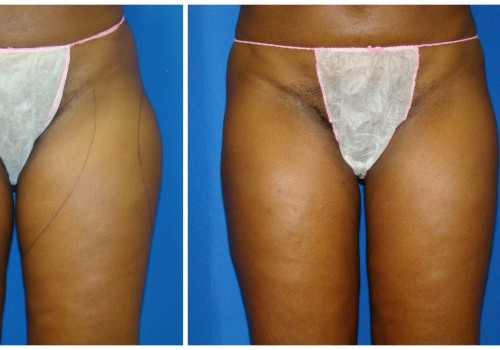
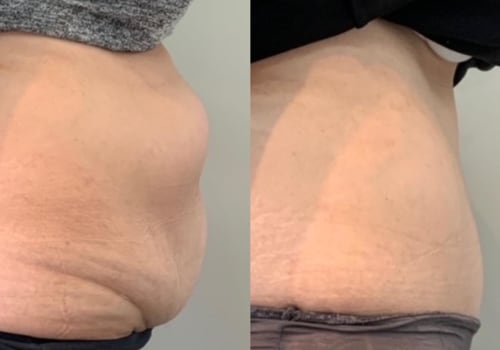
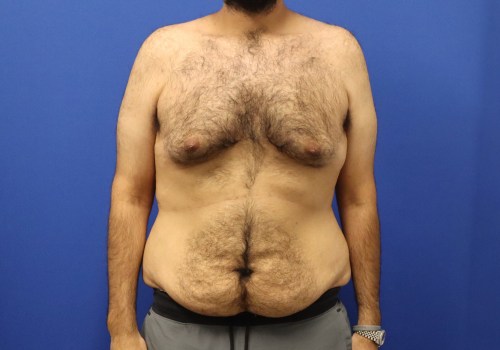
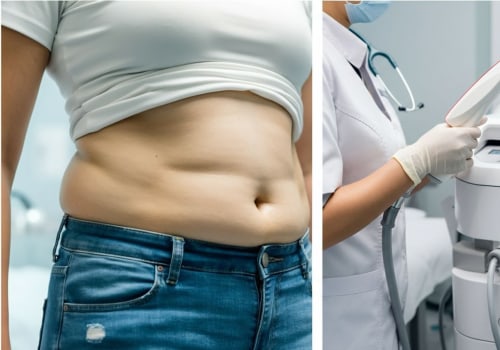
Liposuction is a popular cosmetic procedure designed to remove stubborn fat deposits from various areas of the body. It is often sought after by individuals who struggle with localized fat that does not respond to diet and exercise. While it is not a weight-loss solution, liposuction can significantly enhance body contours and improve self-esteem. Understanding the nuances of this procedure is essential for anyone considering it, as it involves various techniques and considerations that can affect the overall outcome.There are several types of liposuction techniques available, each tailored to meet different patient needs and preferences.
The most common methods include tumescent liposuctiontumescent liposuction , where a saline solution is injected into the targeted area to facilitate fat removal; ultrasound-assisted liposuction (UAL) , which uses sound waves to liquefy fat before extraction; and laser-assisted liposuction (LAL) , which employs laser energy to break down fat cells. Each technique has its advantages and potential drawbacks, making it crucial for patients to discuss their options with a qualified surgeon.The primary goal of liposuction is to sculpt the body by removing excess fat, thereby creating a more aesthetically pleasing silhouette. It can be performed on various body parts, including the abdomen, thighs, buttocks, arms, and neck. However, it is important to note that liposuction is not intended for weight loss but rather for body contouring.
Patients should have realistic expectations regarding the results and understand that maintaining a healthy lifestyle post-procedure is vital for long-lasting effects.
The Liposuction Procedure: What to Expect
Undergoing liposuction is a significant decision that requires a clear understanding of the procedure involved. Knowing what to expect can alleviate anxiety and help you prepare for the journey ahead. Here’s a detailed overview of the typical steps involved in a liposuction procedure.Pre-Operative Preparations
- Consultation: The process begins with a thorough consultation with your surgeon. During this meeting, you will discuss your goals, medical history, and any concerns you may have.
The surgeon will evaluate your body and recommend the best approach for your specific needs.
- Pre-Operative Instructions: You will receive specific instructions to follow before the surgery. This may include avoiding certain medications, refraining from smoking, and fasting for a specified period prior to the procedure.
- Medical Assessments: Depending on your health status, additional tests may be required to ensure you are fit for surgery. This could include blood tests or imaging studies.
Anesthesia Options
Liposuction can be performed under different types of anesthesia, depending on the extent of the procedure and your comfort level:
- Local Anesthesia: For smaller areas, local anesthesia may be sufficient. This numbs only the targeted area while you remain awake.
- General Anesthesia: For more extensive procedures or if you prefer to be completely unconscious during surgery, general anesthesia is used.
- Tumescent Anesthesia: This technique involves injecting a solution containing local anesthetic and epinephrine into the fat layer, which helps reduce bleeding and pain during the procedure.
The Surgical Process
The actual liposuction procedure typically follows these steps:
- Incision Creation: Small incisions are made in inconspicuous areas of the body to minimize scarring.
The size of these incisions can vary based on the amount of fat being removed.
- Fat Removal: A thin tube called a cannula is inserted through the incisions. The surgeon uses this cannula to loosen and suction out excess fat from targeted areas.
- Sculpting and Contouring: As fat is removed, the surgeon carefully sculpts and contours the area to achieve a smooth and natural appearance.
- Closure: Once the desired amount of fat has been removed, the incisions are closed with sutures or adhesive strips. In some cases, drainage tubes may be placed to help remove excess fluid.
Immediate Post-Operative Care
After undergoing liposuction, the immediate post-operative care is crucial for ensuring a smooth recovery and optimal results.Patients should be well-informed about the necessary steps to take during this period, as it can significantly impact their healing process.
Pain Management
It is common to experience some level of discomfort following liposuction. Your surgeon will likely prescribe pain relief medication to help manage this discomfort. It is essential to take these medications as directed and not to wait until the pain becomes severe. Over-the-counter pain relievers may also be recommended, but always consult your surgeon before taking any additional medications.
Activity Restrictions
In the days immediately following the procedure, it is vital to limit physical activity.
Strenuous exercise and heavy lifting should be avoided for at least two weeks. Gentle walking is encouraged to promote circulation, but patients should listen to their bodies and rest as needed. Gradually increasing activity levels can help in the recovery process, but always follow your surgeon's specific guidelines.
Signs of Complications
While most patients recover without issues, it is important to be vigilant for any signs of complications. These may include:
- Excessive swelling or bruising that does not improve over time
- Fever or chills, which could indicate an infection
- Persistent pain that worsens instead of improving
- Unusual discharge from the incision sites
- Redness or warmth around the incisions
Early intervention can prevent more serious complications and ensure a smoother recovery.
Compression Garments
Your surgeon will likely recommend wearing a compression garment for several weeks post-surgery. This garment helps reduce swelling and supports the healing tissues. It is important to wear it as instructed, as it plays a significant role in achieving the desired body contour.In summary, proper immediate post-operative care after liposuction involves effective pain management, adhering to activity restrictions, being aware of potential complications, and following your surgeon's recommendations regarding compression garments. By taking these steps, patients can enhance their recovery experience and work towards achieving their aesthetic goals.
The Recovery Timeline: When to Expect Results
Understanding the recovery timelinerecovery timeline after liposuction is crucial for managing expectations and ensuring a smooth healing process.While many patients hope to see immediate results, the reality is that the body requires time to adjust and heal following the procedure.Typically, the initial recovery phase lasts about one to two weeks. During this period, patients may experience swelling, bruising, and discomfort in the treated areas. It is essential to follow your surgeon's post-operative care instructions closely, which may include wearing compression garments to help reduce swelling and support the healing tissues.After the first week, most individuals can return to light activities, but it is advisable to avoid strenuous exercise or heavy lifting for at least four to six weeks. This cautious approach allows your body to recover without undue stress on the surgical sites.
When to Expect Visible Results
Visible changes in body contour typically begin to emerge around three weeks post-surgery.However, it is important to note that these early results may not reflect the final outcome due to residual swelling. Many patients find that their true shape starts to become apparent between six weeks and three months after the procedure.By three months, most individuals will notice significant improvements in their body shape as swelling subsides and the skin begins to retract. However, complete healing can take up to six months or even longer for some patients. During this time, it is common for minor asymmetries or irregularities to be present as the body continues to adjust.Patience is key during this recovery phase.
While it can be tempting to compare your progress with others or expect immediate perfection, remember that each person's healing journey is unique. Factors such as age, overall health, and the extent of fat removal can all influence how quickly you see results.In summary, while you may start noticing changes within a few weeks after liposuction, achieving your final results can take several months. Embracing this timeline will help you appreciate the gradual transformation of your body and ensure that you maintain realistic expectations throughout your recovery journey.
Understanding Swelling and Bruising
After undergoing liposuction, it is common for patients to experience swelling and bruising in the treated areas. Understanding the reasons behind these symptoms can help manage expectations and promote a smoother recovery process.Why Does Swelling Occur?
Swelling is a natural response of the body to surgical trauma.
During liposuction, fat cells are removed, and this process can cause damage to surrounding tissues, leading to inflammation. The body responds by sending fluids to the affected area, which results in swelling. This is part of the healing process as your body works to repair itself.
Duration of Swelling and Bruising
Typically, swelling can last anywhere from a few days to several weeks post-surgery. Most patients notice a significant reduction in swelling within the first two weeks, but it may take up to six months for all swelling to completely subside.
Bruising, on the other hand, usually appears within the first few days after surgery and can last for one to three weeks, depending on individual healing rates and the extent of the procedure.
Managing Swelling Post-Surgery
To effectively manage swelling and bruising after liposuction, consider the following tips:
- Compression Garments: Wearing a compression garment as advised by your surgeon can help reduce swelling by providing support and promoting blood circulation in the treated areas.
- Elevation: Keeping the treated areas elevated can help minimise swelling. Try to rest with your legs raised above heart level whenever possible.
- Icing: Applying ice packs intermittently during the first few days can help reduce swelling and numb any discomfort. Ensure that ice is wrapped in a cloth to avoid direct contact with the skin.
- Hydration: Staying well-hydrated aids in flushing out excess fluids from your body, which can help reduce swelling.
- Avoiding Strenuous Activities: Refrain from heavy lifting or vigorous exercise for at least a few weeks post-surgery, as this can exacerbate swelling.
Long-Term Results: What to Expect After Six Months
At the six-month mark following your liposuction procedure, many patients begin to see the culmination of their efforts and the true transformation of their body contours. By this time, most swelling should have significantly diminished, revealing a more refined silhouette that reflects the changes made during surgery.During this period, it is common for individuals to notice:- Improved Body Contours: The areas treated with liposuction will appear smoother and more sculpted.
The fat removal process not only eliminates stubborn fat deposits but also enhances the overall shape of your body.
- Enhanced Confidence: Many patients report a boost in self-esteem as they start to see their desired results. This newfound confidence can positively impact various aspects of life, from personal relationships to professional opportunities.
- Clothing Fit: You may find that your clothes fit better and that you can wear styles that were previously unflattering or uncomfortable. This change can further enhance your body image and encourage a more active lifestyle.
Here are some key factors to consider:
- Healthy Diet: Adopting a balanced diet rich in fruits, vegetables, lean proteins, and whole grains can help maintain your weight and prevent fat accumulation in other areas. Avoiding processed foods and excessive sugar is also beneficial.
- Regular Exercise: Incorporating regular physical activity into your routine not only helps maintain your new shape but also promotes overall health. Aim for a mix of cardiovascular exercises and strength training to keep your metabolism active.
- Hydration: Staying well-hydrated supports skin elasticity and overall health, which can enhance the appearance of your body post-liposuction.
Therefore, maintaining a stable weight is crucial for preserving the aesthetic benefits achieved through surgery.In summary, six months after liposuction marks a significant milestone where patients can appreciate their transformed appearance. By committing to a healthy lifestyle, you can ensure that the results of your procedure remain long-lasting, allowing you to enjoy the benefits of your investment in yourself for years to come.
Common Concerns and FAQs About Liposuction Recovery
After undergoing liposuction, many patients have a range of concerns and questions regarding their recovery process. Addressing these common queries can help alleviate anxiety and provide clarity on what to expect.What if I notice asymmetry after my liposuction?
It is not uncommon for patients to observe some degree of asymmetry in the initial weeks following their procedure. This can be attributed to swelling, which may affect one side of the body more than the other.As your body heals, this swelling will gradually subside, and any minor asymmetries are likely to diminish. However, it’s essential to maintain realistic expectations; complete symmetry is not always achievable, as natural variations exist in every individual.
Can I gain weight after liposuction?
Yes, it is possible to gain weight after liposuction. While the procedure removes fat cells from specific areas, it does not prevent future weight gain. If you do gain weight post-surgery, it may occur in different areas of your body rather than the treated zones.To maintain your results, it is crucial to adopt a healthy lifestyle that includes a balanced diet and regular exercise.
How long will it take for me to see my final results?
The timeline for seeing final results can vary significantly among individuals. Generally, most patients begin to notice significant changes within three months; however, complete healing and optimal results may take up to six months or longer. Patience is key during this period as your body continues to adjust and settle into its new shape.What can I do to ensure long-lasting results?
To maximise the longevity of your liposuction results, consider the following tips:- Maintain a healthy diet: Focus on consuming whole foods rich in nutrients while avoiding processed foods high in sugars and unhealthy fats.
- Stay active: Incorporate regular physical activity into your routine. Aim for at least 150 minutes of moderate aerobic exercise each week.
- Hydrate: Drink plenty of water to support overall health and skin elasticity.
- Avoid smoking: Smoking can hinder healing and negatively impact skin quality.
Maintaining Your Results: Lifestyle Changes After Liposuction
After undergoing liposuction, many patients are eager to enjoy their new body shape.However, achieving and maintaining these results requires a commitment to a healthy lifestyle. The changes you make post-surgery can significantly influence the longevity of your results. Here are some essential lifestyle adjustments to consider:
1.Embrace a Balanced Diet
Nutrition plays a crucial role in maintaining your weight after liposuction. Focus on a diet rich in whole foods, including:- Fruits and Vegetables: Aim for a variety of colours to ensure you get a range of nutrients.
- Lean Proteins: Incorporate sources like chicken, fish, beans, and legumes to support muscle maintenance.
- Whole Grains: Choose brown rice, quinoa, and whole-grain bread over refined grains for sustained energy.
- Healthy Fats: Include avocados, nuts, and olive oil in moderation to promote heart health.
Drinking plenty of water helps with metabolism and can prevent overeating.
2.Regular Exercise
Physical activity is essential for maintaining your new figure. Aim for a mix of cardiovascular and strength training exercises:- Cardiovascular Activities: Engage in activities like walking, cycling, or swimming at least 150 minutes per week to burn calories and improve heart health.
- Strength Training: Incorporate resistance exercises two to three times a week to build muscle mass, which can help boost your metabolism.
3.Monitor Your Weight
Regularly tracking your weight can help you stay accountable. Consider weighing yourself weekly and keeping a journal of your food intake and exercise routines. This practice can help you identify any patterns that may lead to weight gain.4.Avoiding Weight Fluctuations
Avoiding significant weight gain is crucial after liposuction.If you do gain weight, it may not distribute evenly across your body, potentially negating the results of the procedure. Focus on maintaining a stable weight through consistent dietary habits and exercise.
5.Seek Support
Consider joining a support group or finding an accountability partner who shares similar health goals. Having someone to share your journey with can provide motivation and encouragement.In conclusion, while liposuction can provide impressive results, the key to maintaining those results lies in adopting sustainable lifestyle changes. By focusing on a balanced diet, regular exercise, and mindful weight management, you can enjoy the benefits of your procedure for years to come.Conclusion: Embracing Your New Body After Liposuction
As we conclude our exploration of the journey following liposuction, it is essential to reflect on the key insights shared throughout this article.The path to achieving your desired body shape is not merely a matter of undergoing a procedure; it is a comprehensive process that requires time, patience, and a positive mindset.Firstly, understanding the timeline for recovery is crucial. While many patients may anticipate immediate results, the reality is that the body needs time to heal and adjust. Typically, noticeable changes begin to emerge within a few weeks, but the full effects of liposuction can take anywhere from three to six months to manifest completely. This period allows for swelling to subside and for your body to settle into its new contours.Moreover, it is important to maintain realistic expectations regarding the outcomes.
While liposuction can significantly enhance your appearance, it is not a magical solution that guarantees perfection. Some degree of asymmetry may occur, and it is vital to embrace these natural variations as part of your unique beauty.During this recovery phase, focus on nurturing your body through healthy habits. Engaging in regular physical activity and maintaining a balanced diet will not only support your healing process but also help sustain the results achieved through liposuction. Remember that your commitment to a healthy lifestyle plays a pivotal role in preserving your new shape.Finally, as you navigate this transformative journey, take time to appreciate the changes in your body.
Embrace the newfound confidence that comes with your improved silhouette. Celebrate each milestone, no matter how small, as you progress towards your ultimate goals.In summary, while the wait for perfect results after liposuction may feel lengthy, it is a journey worth undertaking. With patience and self-love, you will not only achieve your desired appearance but also cultivate a deeper appreciation for your body and its capabilities.