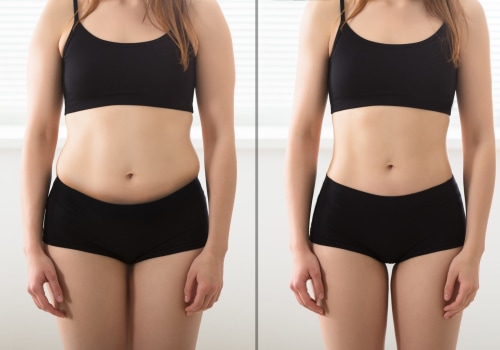
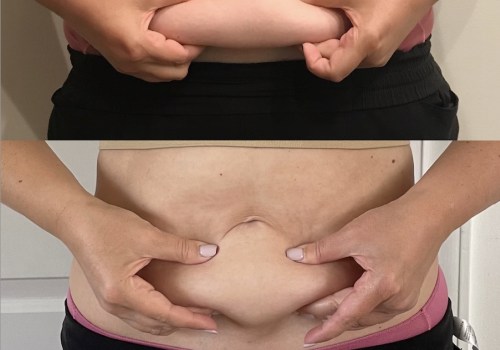
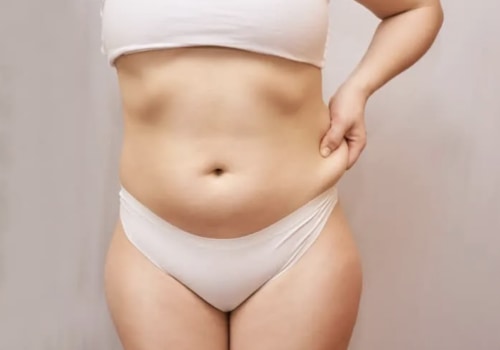
Liposuction is often surrounded by a cloud of misconceptions, leading many to believe it is a miracle solution for weight loss. In reality, Liposuction is often surrounded by a cloud of misconceptions, leading many to believe it is a miracle solution for weight loss. In reality, liposuction is a cosmetic procedure specifically designed to target and remove stubborn fat deposits from particular areas of the body. It is not intended as a method for significant weight reduction, but rather as a means to enhance body contours and improve overall appearance.The procedure involves the use of a thin tube, known as a cannula, which is inserted through small incisions in the skin. This cannula is then used to suction out fat cells from areas such as the abdomen, thighs, buttocks, and arms.
While the results can be transformative, it is essential to understand that liposuction does not address underlying issues related to weight gain or obesity. Instead, it focuses on sculpting the body by removing fat that has proven resistant to diet and exercise.One of the most common misconceptions about liposuction is that it can replace a healthy lifestyle. Many individuals mistakenly believe that they can indulge in unhealthy eating habits post-procedure without consequences. However, this is far from the truth.
Maintaining a balanced diet and regular exercise regimen is crucial for preserving the results achieved through liposuction. If patients do not commit to a healthy lifestyle after their procedure, they may find themselves facing new fat accumulation in other areas of the body.In summary, understanding what liposuction truly entails is vital for anyone considering this procedure. It is not a quick fix for weight loss but rather a targeted approach to body contouring. By dispelling these myths and recognising its true purpose, potential candidates can make informed decisions about whether liposuction aligns with their aesthetic goals.
The Science Behind Liposuction
Liposuction is a sophisticated surgical procedure that involves the removal of excess fat from specific areas of the body.Understanding the science behind liposuction is crucial for anyone considering this treatment, as it sheds light on how the procedure works and the various techniques employed by surgeons.At its core, liposuction operates on the principle of fat cell removal. The procedure begins with the administration of anaesthesia, which can be either local or general, depending on the extent of the surgery and the areas being treated. Once the patient is adequately sedated, the surgeon makes small incisions in the skin to access the underlying fat deposits.There are several techniques used in liposuction, each with its unique approach:
- Tumescent Liposuction: This is one of the most common methods. It involves injecting a solution containing saline, anaesthetic, and epinephrine into the treatment area.
This solution helps to numb the area and constrict blood vessels, reducing bleeding and swelling during fat removal.
- Ultrasound-Assisted Liposuction (UAL): In this technique, ultrasound energy is used to liquefy fat cells before they are suctioned out. This method can be particularly effective for fibrous areas of fat, such as those found in the back or male breast tissue.
- Laser-Assisted Liposuction (LAL): Similar to UAL, this technique uses laser energy to melt fat cells. The liquefied fat can then be easily removed through a cannula. LAL also promotes skin tightening due to the heat generated by the laser.
- Power-Assisted Liposuction (PAL): This method employs a vibrating cannula that helps break up fat cells more efficiently, making it easier for surgeons to remove larger volumes of fat with less effort.
The surgeon carefully manoeuvres this cannula beneath the skin to target specific fat deposits. As suction is applied, fat cells are drawn into the cannula and removed from the body. This process not only reduces fat volume but also reshapes and contours the treated areas.It’s important to note that while liposuction effectively removes fat cells from targeted regions, it does not prevent future weight gain or eliminate existing health issues related to obesity. Therefore, maintaining a healthy lifestyle post-procedure is essential for achieving long-lasting results.In summary, understanding how liposuction works and its various techniques can empower individuals to make informed decisions about their body contouring options.
Each method has its advantages and considerations, making it vital to consult with a qualified plastic surgeon who can recommend the best approach based on individual needs and goals.Each method has its advantages and considerations, making it vital to consult with a qualified plastic surgeon who can recommend the best approach based on individual needs and goals.
Common Misconceptions About Liposuction and Weight Loss
When considering liposuction, it is essential to address the numerous misconceptions that surround this cosmetic procedure, particularly the belief that it serves as a viable method for weight loss. This misunderstanding can lead to unrealistic expectations and disappointment, making it crucial to clarify the facts.One of the most prevalent myths is that liposuction is a quick fix for obesity. In reality, liposuction is designed to target specific areas of stubborn fat that do not respond to diet and exercise. It is not intended for individuals who are significantly overweight or those seeking a dramatic reduction in overall body weight.Instead, it is best suited for individuals who are close to their ideal weight but wish to enhance their body contours.Another common misconception is that liposuction results in immediate weight loss. While it is true that fat cells are removed during the procedure, many patients may not see a significant change on the scale right away. This can be attributed to several factors, including fluid retention and swelling in the treated areas. The body requires time to heal and adjust post-surgery, which can temporarily mask the results.Furthermore, some individuals believe that liposuction guarantees permanent results.
While it is true that the fat cells removed from treated areas do not regenerate, this does not mean that new fat cannot accumulate elsewhere in the body if a healthy lifestyle is not maintained. If patients return to unhealthy eating habits or a sedentary lifestyle, they may still experience weight gain in untreated areas.Additionally, there is a misconception that liposuction can eliminate cellulite or stretch marks. Unfortunately, this procedure does not address these skin conditions; rather, it focuses solely on fat removal. Patients seeking improvement in skin texture or tone may need to consider other treatments in conjunction with liposuction.In conclusion, understanding these liposuction myths is vital for anyone considering the procedure.
By managing expectations and recognising that liposuction is not a substitute for a healthy lifestyle or an effective weight-loss strategy, patients can make informed decisions about their cosmetic goals.
What to Expect After Liposuction: Recovery and Results
Undergoing liposuction is a significant decision, and understanding the recovery process is crucial for anyone considering this procedure. After the surgery, patients can expect a range of experiences as their bodies heal and adjust to the changes.Recovery Time
The initial recovery period typically lasts about one to two weeks. During this time, patients may experience swelling, bruising, and discomfort in the treated areas. These symptoms are normal and should gradually subside as healing progresses.
Most individuals can return to light activities within a week, but it is advisable to avoid strenuous exercise or heavy lifting for at least four to six weeks.
Post-Operative Care
Expected Results
The final results of liposuction may take several months to fully manifest as swelling diminishes and the body settles into its new shape.
While many patients notice an immediate change in their silhouette, it is important to have realistic expectations. The contours achieved through liposuction will become more defined over time, revealing the full benefits of the procedure.It is also essential to maintain a healthy lifestyle post-surgery. Engaging in regular exercise and following a balanced diet will help sustain your results and prevent new fat deposits from forming in other areas of the body.In summary, understanding what to expect after liposuction can significantly enhance your experience. By adhering to post-operative care guidelines and maintaining a healthy lifestyle, you can enjoy the long-lasting benefits of your procedure.
Weight Management After Liposuction: Maintaining Your Results
Undergoing liposuction can be a transformative experience, but the journey doesn’t end once you leave the operating room.To truly benefit from the procedure and maintain your newly sculpted figure, it is essential to adopt a sustainable approach to weight management. This section will explore effective strategies for preserving your results through lifestyle changes.
Understanding the Importance of Lifestyle Changes
Liposuction removes fat cells from specific areas of the body, but it does not prevent new fat from accumulating if you do not maintain a healthy lifestyle. After the procedure, your body will still respond to dietary choices and physical activity levels. Therefore, making informed decisions about your diet and exercise routine is crucial for long-term success.
Practical Tips for Maintaining Results
- Adopt a Balanced Diet: Focus on consuming whole foods rich in nutrients.
Incorporate plenty of fruits, vegetables, lean proteins, and whole grains into your meals. Avoid processed foods high in sugar and unhealthy fats.
- Stay Hydrated: Drinking adequate water is vital for overall health and can help control hunger. Aim for at least 2 litres of water daily to keep your body functioning optimally.
- Regular Exercise: Establish a consistent workout routine that includes both cardiovascular and strength training exercises. Aim for at least 150 minutes of moderate aerobic activity each week, along with two days of strength training.
- Monitor Your Weight: Keep track of your weight regularly to identify any fluctuations early on.
This can help you make necessary adjustments to your diet or exercise routine before significant weight gain occurs.
- Set Realistic Goals: Instead of aiming for drastic weight loss, focus on maintaining a stable weight within 10 pounds of your ideal post-liposuction weight. This approach is more sustainable and less stressful.
The Role of Support Systems
Engaging with support groups or seeking guidance from nutritionists or personal trainers can provide additional motivation and accountability. Surrounding yourself with individuals who share similar goals can enhance your commitment to maintaining a healthy lifestyle.In conclusion, while liposuction can significantly improve your body contour, the key to enjoying lasting results lies in adopting healthy habits. By focusing on balanced nutrition, regular physical activity, and ongoing self-monitoring, you can ensure that your investment in liposuction pays off in the long run.
Potential Risks and Complications of Liposuction
While liposuction is a popular cosmetic procedure that can enhance body contours, it is essential to understand that it is not without its risks and potential complications.Patients should be well-informed about these aspects to make educated decisions regarding their health and aesthetic goals.
Common Risks Associated with Liposuction
- Infection: As with any surgical procedure, there is a risk of infection at the incision sites. Proper aftercare and adherence to post-operative instructions can help mitigate this risk.
- Bleeding: Some bleeding is expected after surgery, but excessive bleeding can lead to complications. It is crucial to follow your surgeon's advice regarding medications and activities post-surgery.
- Fluid Accumulation: Seromas, or fluid collections, can occur in the treated areas. These may require drainage if they become significant.
- Nerve Damage: Although rare, nerve damage can occur during the procedure, leading to temporary or permanent changes in sensation in the treated areas.
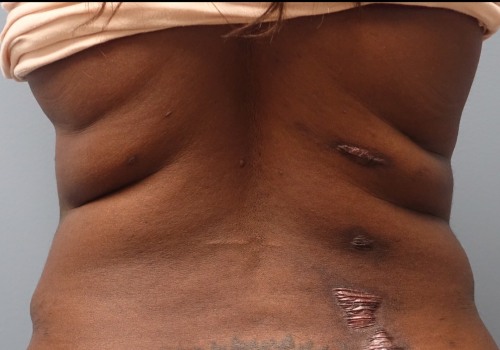
- Scarring: While surgeons aim to make incisions as discreet as possible, scarring is an inevitable part of any surgical procedure.
The extent of scarring can vary based on individual healing processes.
Serious Complications
- Deep Vein Thrombosis (DVT): This condition involves blood clots forming in the deep veins, typically in the legs. DVT can be life-threatening if a clot travels to the lungs (pulmonary embolism).
- Fat Embolism: In rare cases, fat particles can enter the bloodstream and travel to the lungs or other organs, causing serious complications.
- Anesthesia Risks: General anesthesia carries its own set of risks, including allergic reactions and respiratory complications. Discussing these risks with your anaesthetist is vital.
Safety Measures
To enhance the safety of liposuction procedures, it is crucial for patients to:
- Select a board-certified plastic surgeon with extensive experience in liposuction.
- Discuss all medical history and current medications with the surgeon during consultations.
- Follow pre-operative and post-operative instructions meticulously to reduce risks.
Who Is a Good Candidate for Liposuction?
Determining whether you are a suitable candidate for liposuction involves several factors that go beyond just the desire to remove fat.Understanding these characteristics can help you make an informed decision about whether this cosmetic procedure is right for you.
1.Stable Weight
Ideal candidates for liposuction are typically those who are within 30% of their ideal body weight. This means that if you have been maintaining a stable weight for at least six months, you are more likely to achieve satisfactory results. Liposuction is not a weight-loss solution; rather, it is designed to contour specific areas of the body by removing stubborn fat deposits.
2.Good Overall Health
Being in good health is crucial when considering liposuction. Candidates should not have any underlying medical conditions that could complicate the procedure or recovery process.
Conditions such as heart disease, diabetes, or blood clotting disorders may disqualify you from being a suitable candidate. A thorough medical evaluation by your surgeon will help determine your overall health status.
3.Realistic Expectations
Having realistic expectations about the outcomes of liposuction is essential. Candidates should understand that while liposuction can enhance body contours, it does not guarantee perfection or a complete transformation. Discussing your goals with a qualified plastic surgeon can help align your expectations with what is achievable.
4.Specific Areas of Concern
Liposuction is most effective for individuals who have specific areas of fat accumulation that are resistant to diet and exercise.
Common areas include the abdomen, thighs, hips, arms, and neck. If you have localized fat deposits that do not respond to traditional weight loss methods, you may be an excellent candidate for this procedure.
5.Age Considerations
While there is no strict age limit for liposuction, candidates should ideally be over 18 years old and in a stage of life where their body has stabilized after growth spurts or significant weight changes. Younger candidates may still be considered if they meet other criteria and have realistic expectations.
6.Commitment to a Healthy Lifestyle
A commitment to maintaining a healthy lifestyle post-procedure is vital for long-term success. Candidates should be prepared to adopt healthy eating habits and regular exercise routines to preserve their results and prevent future weight gain.In summary, if you find yourself fitting these criteria—stable weight, good health, realistic expectations, specific areas of concern, appropriate age, and a commitment to a healthy lifestyle—you may be an ideal candidate for liposuction.
Always consult with a board-certified plastic surgeon to discuss your individual circumstances and receive tailored advice.
Frequently Asked Questions About Liposuction
When considering liposuction, many individuals have questions that can significantly impact their decision-making process. Below are some of the most frequently asked questions about this cosmetic procedure, along with detailed answers to help clarify any uncertainties.What is liposuction?
Liposuction is a surgical procedure designed to remove excess fat from specific areas of the body. It is not intended as a weight-loss solution but rather as a means to contour and shape the body by targeting stubborn fat deposits that do not respond to diet and exercise.Who is a good candidate for liposuction?
Ideal candidates for liposuction are individuals who are at or near their target weight but struggle with localized fat deposits. Candidates should be in good overall health, have realistic expectations, and be committed to maintaining a healthy lifestyle post-procedure.What areas can be treated with liposuction?
- Abdomen
- Thighs
- Hips
- Arms
- Back
- Chin and neck
- Calves and ankles
How long does the procedure take?
The duration of a liposuction procedure can vary depending on the number of areas being treated and the amount of fat being removed.Generally, it can take anywhere from one to several hours.
What is the recovery time like?
Recovery time varies by individual, but most patients can expect to return to normal activities within a week or two. However, strenuous activities should be avoided for several weeks to allow for proper healing.Are there any risks associated with liposuction?
As with any surgical procedure, there are risks involved. Potential complications include infection, scarring, fluid accumulation, and changes in skin sensation. It is crucial to discuss these risks with your surgeon during the consultation.Will I gain weight back after liposuction?
While liposuction permanently removes fat cells from treated areas, significant weight gain can lead to new fat deposits forming in other areas of the body.Maintaining a stable weight through a balanced diet and regular exercise is essential for preserving your results.If you have more questions or concerns about liposuction, it’s advisable to consult with a board-certified plastic surgeon who can provide personalised information based on your unique situation.
Conclusion: The Key Takeaways on Liposuction and Weight Management
In summary, understanding the relationship between liposuction and weight management is crucial for anyone considering this cosmetic procedure. While liposuction effectively targets and removes stubborn fat deposits from specific areas of the body, it is essential to recognise that it is not a solution for overall weight loss. Here are the key takeaways:- Liposuction is a Cosmetic Procedure: It is designed to sculpt the body by removing fat cells from targeted areas rather than serving as a weight-loss method.
- Temporary Weight Changes: Patients may experience temporary weight fluctuations post-surgery due to swelling and fluid retention, which can be misleading.
- Permanent Fat Cell Removal: Once fat cells are removed from treated areas, they do not regenerate. However, gaining weight after the procedure can lead to new fat deposits in untreated areas.
- Importance of Lifestyle Maintenance: To achieve and maintain optimal results, it is vital to adopt a healthy lifestyle that includes a balanced diet and regular exercise.
- Realistic Expectations: Patients should have realistic expectations regarding the outcomes of liposuction and understand that it complements a healthy lifestyle rather than replaces it.
If you are contemplating this procedure, consult with a board-certified plastic surgeon who can provide personalised advice based on your individual goals and health status. By doing so, you can ensure that you are making an informed decision that aligns with your long-term health objectives.