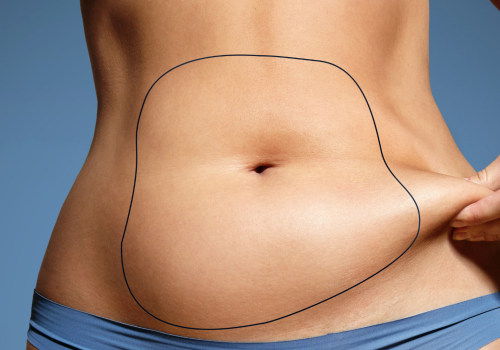
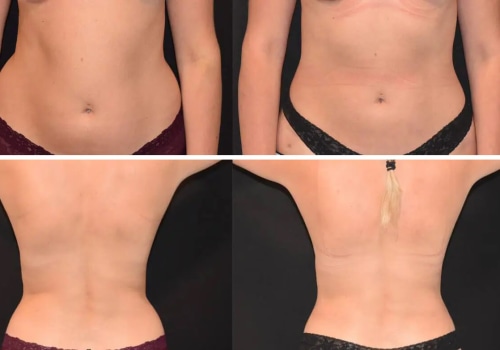
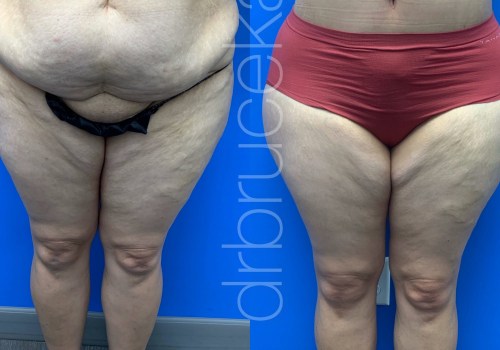
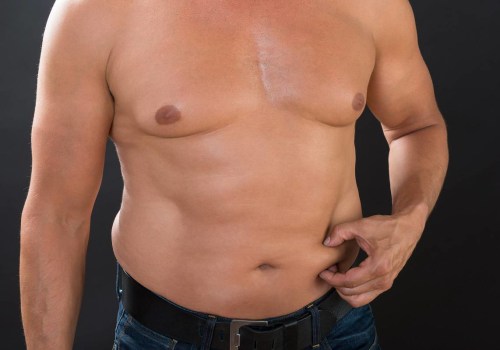
Liposuction is a popular cosmetic procedure designed to remove stubborn fat deposits from various areas of the body, helping individuals achieve a more contoured and sculpted appearance. This surgical technique is not a weight-loss solution but rather a method to enhance body shape by targeting specific areas where fat tends to accumulate, such as the abdomen, thighs, hips, and arms. Understanding what liposuction entails is essential for anyone considering this procedure, as it sets the stage for realistic expectations regarding results and recovery.The Liposuction is a popular cosmetic procedure designed to remove stubborn fat deposits from various areas of the body, helping individuals achieve a more contoured and sculpted appearance. This surgical technique is not a weight-loss solution but rather a method to enhance body shape by targeting specific areas where fat tends to accumulate, such as the abdomen, thighs, hips, and arms. Understanding what liposuction entails is essential for anyone considering this procedure, as it sets the stage for realistic expectations regarding results and recovery.The liposuction procedure typically begins with a consultation where the surgeon evaluates the patient’s health, discusses their goals, and determines the most suitable approach. During the surgery, which is usually performed under local or general anaesthesia, small incisions are made in the targeted areas.
A thin tube called a cannula is then inserted through these incisions to suction out excess fat. The surgeon carefully manoeuvres the cannula to break up fat cells and remove them while ensuring that surrounding tissues remain intact. This meticulous process helps to create smooth contours and minimise visible scarring.One of the key aspects of how liposuction works lies in its ability to permanently remove fat cells from the body. Once these cells are extracted, they do not regenerate; however, it is crucial for patients to maintain a healthy lifestyle post-procedure to prevent new fat deposits from forming.
The results of liposuction can be dramatic, but they are not immediate due to swelling and bruising that typically occur after surgery. Understanding these nuances will help patients navigate their recovery journey and appreciate the gradual unveiling of their new body shape.
Immediate Post-Operative Expectations
After undergoing liposuction, patients often have a mix of excitement and anxiety about what to expect during the immediate post-operative period. Understanding the recovery process is crucial for setting realistic expectations and ensuring a smoother transition into the healing phase.Immediately following the procedure, patients are typically taken to a recovery area where they are monitored for any complications. The effects of anaesthesia will linger for a few hours, and it’s common to feel groggy or disoriented. , patients often have a mix of excitement and anxiety about what to expect during the immediate post-operative period. Understanding the recovery process is crucial for setting realistic expectations and ensuring a smoother transition into the healing phase.Immediately following the procedure, patients are typically taken to a recovery area where they are monitored for any complications. The effects of anaesthesia will linger for a few hours, and it’s common to feel groggy or disoriented.Most patients are discharged on the same day, but it’s essential to have someone available to drive you home and assist you during the initial recovery.
Initial Results and Changes
While many patients are eager to see their new contours, it’s important to note that the results of liposuction are not immediately visible. Swelling and bruising are common in the treated areas, which can obscure the final results. However, some initial changes may be noticeable within a few days as swelling begins to subside.Common Post-Operative Symptoms
During the first few days post-surgery, patients may experience:- Swelling: This is a natural response of the body to surgery and can last several weeks. Wearing compression garments as advised by your surgeon can help manage this.
- Bruising: Bruising is also common and may take time to fade.
It’s important not to be alarmed as this is part of the healing process.
- Pain or Discomfort: Mild to moderate pain can occur, which can usually be managed with prescribed pain relief medications. It’s crucial to follow your doctor’s instructions regarding medication use.
- Tightness or Numbness: Some patients report feelings of tightness in the treated areas or temporary numbness due to nerve irritation. These sensations typically improve over time.
Staying hydrated and maintaining a balanced diet can also support healing.In summary, while the immediate aftermath of liposuction may come with discomfort and visible swelling, understanding these aspects can help patients navigate their recovery journey with greater ease and patience.
Understanding Swelling and Bruising
After undergoing liposuction, many patients are surprised to find that swelling and bruising are common side effects of the procedure. Understanding the reasons behind these reactions is crucial for managing expectations and ensuring a smoother recovery process.Why Does Swelling Occur?
Swelling is a natural response of the body to surgical trauma. During liposuction, fat cells are removed from specific areas, which can cause damage to surrounding tissues, blood vessels, and lymphatic systems. This damage triggers an inflammatory response, leading to fluid accumulation in the affected areas.
The body sends extra blood flow and immune cells to the site of surgery to aid in healing, which contributes to swelling.
How Long Does Swelling Last?
The duration of swelling varies from person to person and depends on several factors, including the extent of the procedure, individual healing rates, and adherence to post-operative care instructions. Generally, patients can expect:
- Initial Swelling: Most noticeable within the first few days post-surgery.
- Peak Swelling: Typically occurs around 48 to 72 hours after the procedure.
- Reduction Phase: Gradual decrease over the next few weeks, with significant improvement often seen by two to three weeks.
- Final Results: Full resolution of swelling may take up to six months or longer, depending on individual circumstances.
Bruising After Liposuction
Bruising is another common occurrence following liposuction. It results from small blood vessels being damaged during the procedure. Like swelling, bruising is part of the body’s healing process and can vary in intensity based on factors such as:
- The area treated: Some regions are more prone to bruising than others.
- The technique used: Different liposuction methods may result in varying levels of bruising.
- Individual healing responses: Some people naturally bruise more easily than others.
Patients should be patient and allow their bodies time to heal properly.
Managing Expectations
Understanding that swelling and bruising are normal parts of recovery can help patients maintain realistic expectations about their results. While initial changes may be visible shortly after surgery, it is essential to remember that the final outcome will not be apparent until all swelling has subsided. Following your surgeon's post-operative care instructions diligently can aid in minimising these effects and promoting a smoother recovery.
Timeline for Visible Results
Understanding the timeline for visible resultstimeline for visible results after liposuction is crucial for managing expectations and ensuring a smooth recovery. While each patient's experience may vary, there are general milestones that can help you gauge your progress.Initial Recovery Phase (Weeks 1-2)
In the first week following your liposuction procedure, you will likely experience significant swelling and bruising in the treated areas.This is a normal part of the healing process. During this time, it is essential to follow your surgeon's post-operative care instructions closely. Most patients can expect to see some initial changes as the swelling begins to subside around the two-week mark. However, these changes may not yet reflect the final results.
Early Visible Changes (Weeks 3-4)
By the end of the third week, many patients start noticing more pronounced changes in their body contours.The bruising will continue to fade, and while some swelling may persist, it will be less noticeable. At this stage, you might feel more comfortable in your clothing and begin to appreciate the early benefits of your procedure.
Significant Improvements (Months 1-3)
As you reach the one-month mark, most individuals will see a significant reduction in swelling, and the results of liposuction become more apparent. By this time, many patients report feeling more confident in their appearance. The contours of your body will continue to refine over the next few months as residual swelling diminishes further.Final Results (Months 3-6)
The full effects of liposuction typically become visible between three to six months post-surgery.During this period, your skin will gradually retract and adapt to its new shape. It is not uncommon for some patients to notice ongoing improvements even up to a year after their procedure as their body continues to heal and adjust.
Maintaining Your Results
To ensure that you maintain your new body contours, it is vital to adopt a healthy lifestyle post-surgery. Regular exercise and a balanced diet can help prevent new fat deposits from forming and keep your results looking their best.In summary, while the timeline for visible results from liposuction can vary from person to person, understanding these phases can help you navigate your recovery with confidence and patience.Factors Influencing Liposuction Results
When considering liposuction, it is essential to recognise that the final results can vary significantly from one individual to another. Several factors can influence these outcomes, and understanding them can help set realistic expectations for patients.1.Individual Health Conditions
Your overall health plays a crucial role in how well you recover from liposuction and the results you achieve.
Conditions such as diabetes, cardiovascular issues, or autoimmune disorders can complicate the healing process. Patients with these conditions may experience prolonged swelling or delayed recovery, which can affect the visibility of their results.
2.Skin Elasticity
The elasticity of your skin is another significant factor that influences the final appearance after liposuction. Individuals with good skin elasticity may find that their skin retracts more effectively after fat removal, leading to smoother and more contoured results. Conversely, those with less elastic skin may experience sagging or irregularities in the treated areas.
Factors such as age, genetics, and sun exposure can all impact skin elasticity.
3.Lifestyle Choices
Your lifestyle before and after the procedure can also affect your liposuction results. Maintaining a balanced diet and engaging in regular physical activity are vital for preserving your new body shape. If a patient returns to unhealthy eating habits or a sedentary lifestyle post-surgery, they may find that fat deposits return, negating the benefits of the procedure.
4.Post-Operative Care
Following your surgeon's post-operative instructions is critical for optimal recovery and results. This includes wearing compression garments as advised, attending follow-up appointments, and avoiding strenuous activities during the initial healing phase.
Neglecting these guidelines can lead to complications such as increased swelling or uneven contours.
5.Individual Differences in Recovery
Each person's body responds differently to surgery, which means recovery times can vary widely. Some individuals may notice significant improvements within weeks, while others might take several months to see their final results. Factors such as age, metabolism, and overall fitness level can all contribute to these differences.In conclusion, understanding these factors is vital for anyone considering liposuction. By recognising how individual health conditions, skin elasticity, lifestyle choices, post-operative care, and recovery differences can influence outcomes, patients can better prepare themselves for their journey towards achieving their desired body shape.
Maintaining Liposuction Results Long-Term
After undergoing liposuction, many patients are eager to maintain their newly sculpted body contours.Achieving long-lasting results requires a commitment to a healthy lifestyle, particularly in terms of diet and exercise. Here are some essential strategies to help you preserve your liposuction results effectively.
Diet After Liposuction
Your diet plays a crucial role in maintaining the results of your liposuction procedure. Here are some dietary tips to consider:- Focus on Whole Foods: Incorporate plenty of fruits, vegetables, whole grains, and lean proteins into your meals. These foods are nutrient-dense and can help you feel full while providing essential vitamins and minerals.
- Stay Hydrated: Drinking adequate water is vital for overall health and can aid in digestion and metabolism.
Aim for at least 2 litres of water daily.
- Limit Processed Foods: Avoid foods high in sugar, salt, and unhealthy fats. Processed foods can lead to weight gain and may counteract the benefits of your liposuction.
- Control Portion Sizes: Be mindful of portion sizes to prevent overeating. Using smaller plates can help you manage your portions effectively.
Exercise Post-Liposuction
Regular physical activity is essential for maintaining your new body shape. Here are some exercise recommendations:- Start Slowly: After your surgeon gives you the green light, begin with light activities such as walking.
This helps improve circulation and aids in recovery.
- Incorporate Cardio: Aim for at least 150 minutes of moderate aerobic activity each week. Activities like brisk walking, cycling, or swimming can help burn calories and maintain your weight.
- Strength Training: Include strength training exercises at least twice a week. Building muscle can boost your metabolism and help you maintain a healthy weight.
- Listen to Your Body: Pay attention to how your body feels during exercise. If you experience pain or discomfort, consult your doctor before continuing.
By adopting these healthy habits, you can enjoy your new body contours for years to come while enhancing your overall well-being.
Common Myths About Liposuction Results
When considering liposuction, many potential patients are often influenced by various myths and misconceptions that can cloud their understanding of what to expect from the procedure. Debunking these myths is crucial for making informed decisions about body contouring options.Myth 1: Liposuction is a Weight Loss Solution
One of the most prevalent misconceptions is that liposuction is a method for significant weight loss. In reality, liposuction is designed for body contouring and is most effective for individuals who are already at or near their ideal weight. The procedure removes localized fat deposits that are resistant to diet and exercise, rather than serving as a primary weight loss strategy.
Myth 2: Liposuction Provides Instant Results
Many people believe that the results of liposuction are immediately visible post-surgery.
However, this is far from the truth. While some initial changes may be noticeable, the final results can take several months to fully manifest due to swelling and bruising. It typically takes around three to six months for the body to settle into its new shape.
Myth 3: Liposuction Eliminates Cellulite
Another common myth is that liposuction can effectively treat cellulite. Unfortunately, this is not the case.
Cellulite is caused by structural changes in the skin and underlying fat, and while liposuction can remove fat, it does not address the skin's texture or elasticity. Patients seeking to improve the appearance of cellulite may need to explore other treatment options.
Myth 4: Liposuction Results Are Permanent
While liposuction can provide long-lasting results, it does not prevent future weight gain. If a patient does not maintain a healthy lifestyle post-procedure, they may still experience new fat deposits in other areas of the body. Therefore, adopting a balanced diet and regular exercise routine is essential for preserving the results.
Myth 5: Anyone Can Get Liposuction
Liposuction is not suitable for everyone.
Candidates should be in good health, have realistic expectations, and understand the risks involved. Individuals with certain medical conditions or those who are significantly overweight may be advised against undergoing this procedure.By addressing these common myths about liposuction, potential patients can better understand what to expect from their experience and make more informed choices regarding their body contouring goals.
FAQs About Liposuction Results
When considering liposuction, many patients have questions about the results and what to expect during the recovery process. Here are some of the most frequently asked questions regarding liposuction results:1.How long does it take to see the final results of liposuction?
While some initial changes may be noticeable within a few weeks, the full effects of liposuction typically become apparent between three to six months post-surgery. This timeframe allows for swelling to subside and the skin to adjust to its new contours.2.Is it normal to experience swelling after liposuction?
Yes, swelling is a common part of the recovery process following liposuction.It can last from several weeks to a few months, depending on the extent of the procedure and individual healing rates. Patients are encouraged to wear compression garments as advised by their surgeon to help manage swelling.
3.Will I have loose skin after liposuction?
The degree of skin retraction varies from person to person. Factors such as age, skin elasticity, and the amount of fat removed play significant roles in how well the skin adapts post-surgery. In some cases, additional procedures like a tummy tuck may be recommended for those with significant skin laxity.4.Can I gain weight after liposuction?
While liposuction removes fat cells from specific areas, it does not prevent future weight gain.If a patient does not maintain a healthy lifestyle post-procedure, remaining fat cells can expand or new fat deposits can form in other areas. Therefore, adopting a balanced diet and regular exercise is crucial for preserving results.
5.Are the results of liposuction permanent?
The fat cells removed during liposuction do not regenerate; however, weight gain can affect the remaining fat cells. To maintain your new body shape, it is essential to follow a healthy lifestyle after surgery.6.What if I am not satisfied with my results?
If you have concerns about your results after liposuction, it is important to discuss them with your surgeon. They can provide guidance on what to expect during recovery and whether any further procedures may be necessary to achieve your desired outcome.Understanding these common questions can help alleviate concerns and set realistic expectations for those considering liposuction.Always consult with a qualified surgeon for personalised advice tailored to your specific situation.
Conclusion: Embracing Your New Body After Liposuction
As you reflect on your journey through liposuction, it’s essential to embrace the transformation that your body has undergone. The procedure is not merely about removing fat; it’s about enhancing your self-image and boosting your confidence. However, achieving the desired results requires patience and a commitment to post-operative care.Throughout this article, we have explored the timeline of liposuction results, highlighting that while initial changes may be visible within a few weeks, the full effects can take several months to manifest. Understanding this timeline is crucial for managing expectations and avoiding disappointment.Remember, the swelling and bruising that accompany the procedure are temporary, and as they subside, your new contours will emerge.To ensure that you maintain and even enhance your results, consider the following key points:
- Follow Post-Operative Instructions: Adhering to your surgeon's guidelines is vital for a smooth recovery. This includes wearing compression garments, attending follow-up appointments, and avoiding strenuous activities until cleared by your doctor.
- Adopt a Healthy Lifestyle: A balanced diet and regular exercise are essential for preserving your new shape. Focus on nutrient-rich foods and incorporate physical activity into your routine to prevent new fat deposits from forming.
- Be Patient with Your Body: It’s normal to experience fluctuations in how you feel about your body during the recovery process. Allow yourself time to adjust to your new appearance and remember that self-love is a journey.
- Seek Support: Surround yourself with supportive friends or family who can encourage you during this transition.
Consider joining support groups where you can share experiences with others who have undergone similar procedures.