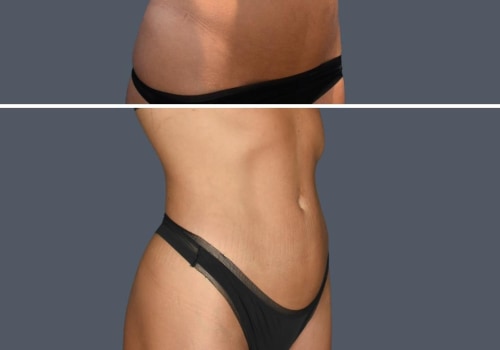
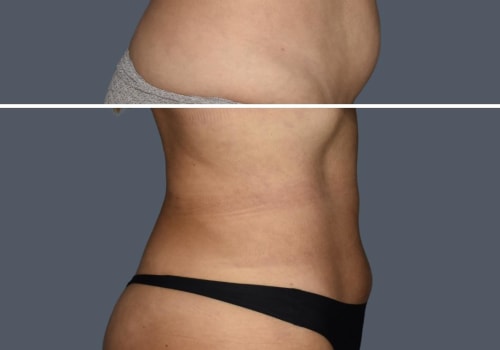
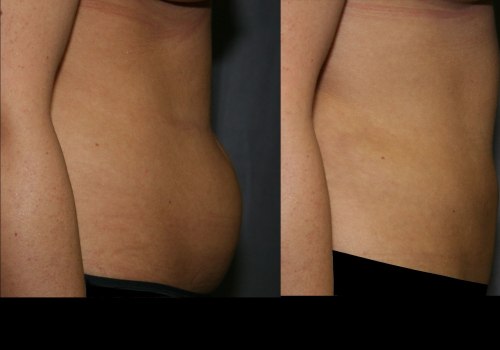
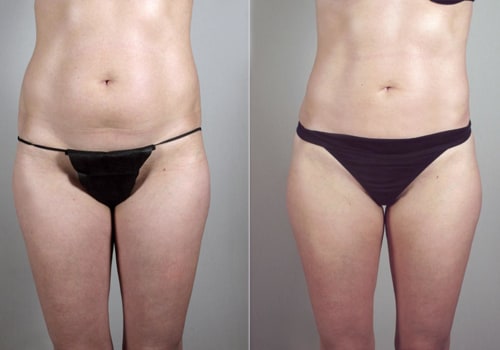
Skin removal surgery, often referred to as body contouring, is a transformative procedure designed to address the physical changes that occur after significant weight loss. For individuals who have shed a substantial amount of weight—typically 100 pounds or more—their bodies may be left with excess skin that can be both uncomfortable and unsightly. This excess skin can hinder mobility, cause rashes, and lead to emotional distress, making it a common concern for many who have worked hard to achieve their weight loss goals.The primary aim of skin removal surgery is to enhance the body’s contours by removing this surplus skin, thereby improving both appearance and functionality. This procedure can target various areas of the body, including the abdomen, arms, thighs, and breasts.
By eliminating excess skin, patients often experience a boost in self-esteem and confidence, allowing them to embrace their new bodies fully. It is essential to understand that while skin removal surgery can significantly improve one’s quality of life, it is not a substitute for weight loss itself.In some cases, patients may also consider liposuction as part of their body contouring journey. While liposuction primarily focuses on removing stubborn fat deposits, it can complement skin removal surgery by refining the overall shape of the body. However, it is crucial for individuals to consult with a qualified plastic surgeon to determine the most appropriate procedures based on their unique circumstances and goals.Ultimately, understanding the purpose and benefits of skin removal surgery is vital for anyone who has undergone significant weight loss. as part of their body contouring journey. While liposuction primarily focuses on removing stubborn fat deposits, it can complement skin removal surgery by refining the overall shape of the body. However, it is crucial for individuals to consult with a qualified plastic surgeon to determine the most appropriate procedures based on their unique circumstances and goals.Ultimately, understanding the purpose and benefits of skin removal surgery is vital for anyone who has undergone significant weight loss.
It not only addresses the physical challenges posed by excess skin but also plays a crucial role in helping individuals reclaim their confidence and enjoy an active lifestyle free from the limitations imposed by their previous weight.
The Connection Between Weight Loss and Excess Skin
When individuals embark on a significant weight loss journey, such as shedding 100 pounds or more, they often encounter an unexpected challenge: excess skin. This phenomenon occurs due to several interconnected factors, primarily related to the skin's elasticity and the body's natural response to rapid changes in weight.Skin Elasticity
is a crucial factor in determining how well the skin can adapt to changes in body size. The skin is composed of collagen and elastin, proteins that provide structure and elasticity. When a person gains weight, the skin stretches to accommodate the increased body mass.
However, if the weight loss occurs rapidly, as is often the case with drastic lifestyle changes or surgical interventions, the skin may not have enough time to retract fully. This can lead to sagging or loose skin.Several factors influence skin elasticity and its ability to bounce back after weight loss:
- Age: As we age, our skin naturally loses collagen and elastin, making it less resilient. Older individuals may find that their skin does not tighten as effectively after weight loss compared to younger individuals.
- Genetics: Genetic predisposition plays a significant role in determining skin elasticity. Some people may be genetically inclined to have more elastic skin, while others may experience more pronounced sagging.
- Duration of Weight Gain: The longer an individual has been overweight, the more likely their skin will have stretched significantly.
This prolonged stretching can lead to a greater amount of excess skin after weight loss.
- Sun Exposure: Excessive sun exposure can damage the skin's collagen and elastin fibers, reducing its elasticity over time. Individuals who have spent considerable time in the sun may notice more sagging skin after losing weight.
- Smoking: Smoking can impair blood flow and reduce oxygen supply to the skin, leading to premature aging and decreased elasticity.
Types of Skin Removal Procedures
When considering skin removal surgery after significant weight loss, it is crucial to understand the various types of procedures available.Each option caters to different areas of the body and addresses specific concerns related to excess skin. Below are some of the most common types of skin removal surgeries, including liposuction and other body contouring procedures.
- Liposuction: This procedure is often misunderstood as a weight-loss solution; however, it is primarily a body contouring technique. Liposuction involves the removal of fat deposits from specific areas of the body, such as the abdomen, thighs, buttocks, and arms. It can be particularly effective for individuals who have lost a significant amount of weight but still have stubborn pockets of fat that do not respond to diet and exercise.
Liposuction can be performed using various techniques, including tumescent liposuction, ultrasound-assisted liposuction (UAL), and laser-assisted liposuction (LAL).
- Abdominoplasty (Tummy Tuck): This procedure focuses on the abdominal area, removing excess skin and fat while tightening the underlying muscles. A tummy tuck is ideal for those who have experienced sagging skin in their midsection after substantial weight loss. It can also help improve the overall contour of the abdomen, providing a flatter and more toned appearance.
- Brachioplasty (Arm Lift):Brachioplasty (Arm Lift): For individuals with excess skin on their upper arms, a brachioplasty can be an excellent option. This procedure removes loose skin and fat from the upper arms, resulting in a more streamlined and youthful appearance.
It is particularly beneficial for those who have lost a significant amount of weight and are left with sagging skin.
- Thigh Lift (Thighplasty): Similar to an arm lift, a thigh lift targets excess skin and fat in the thigh area. This procedure can enhance the shape and tone of the thighs, making it an appealing option for those who have experienced significant weight loss.
- Breast Lift (Mastopexy): Weight loss can also affect breast volume and shape. A breast lift can restore a more youthful contour by removing excess skin and repositioning the breast tissue. This procedure can be performed alone or in combination with breast augmentation for those seeking additional volume.
- Body Lift: A body lift is a comprehensive procedure that addresses multiple areas of the body simultaneously, including the abdomen, thighs, buttocks, and hips.
This option is ideal for individuals who have lost a large amount of weight and wish to achieve an overall improved body contour.
Are You a Good Candidate for Skin Removal Surgery?
Determining whether you are a suitable candidate for skin removal surgery involves several important factors. This procedure is not merely cosmetic; it can significantly impact your quality of life, especially after substantial weight loss.Here are the key criteria to consider:
- Amount of Weight Lost: Generally, candidates should have lost a significant amount of weight, typically around 100 pounds or more. This weight loss can be achieved through diet and exercise or surgical methods such as gastric bypass.
- Excess Skin: The presence of excess skin is a primary indicator for considering surgery. If you have sagging skin that causes discomfort, rashes, or affects your daily activities, you may be a good candidate.
- Stable Weight: It is crucial that your weight has stabilised for at least six months prior to the procedure. Fluctuating weight can affect the results of the surgery and may lead to complications.
- Overall Health: Your general health plays a significant role in determining candidacy.
Candidates should be in good health, without any underlying conditions that could complicate surgery or recovery. Conditions such as diabetes, heart disease, or clotting disorders may increase risks.
- Mental Preparedness: Emotional readiness is just as important as physical health. Candidates should have realistic expectations about the outcomes of the surgery and understand that while it can improve appearance, it is not a solution for all body image issues.
- Age Considerations: While there is no strict age limit for skin removal surgery, younger patients tend to have better skin elasticity, which can lead to more favourable results. However, older patients can also benefit from the procedure if they meet other criteria.
They will conduct a thorough assessment, including a review of your medical history and an examination of the areas of concern. This consultation will help determine if you are indeed a suitable candidate for the procedure and what specific options may be best for you.Ultimately, being well-informed about your eligibility and understanding the implications of skin removal surgery will empower you to make the best decision for your health and well-being.
Risks and Considerations of Skin Removal Surgery
Undergoing skin removal surgery is a significant decision, particularly for those who have experienced substantial weight loss. While the procedure can offer numerous benefits, it is essential to be aware of the potential risks and complications that may arise.Common Risks Associated with Skin Removal Surgery
- Infection: As with any surgical procedure, there is a risk of infection at the incision sites. Proper post-operative care and hygiene are crucial to minimise this risk.
- Bleeding: Excessive bleeding during or after surgery can occur, which may require additional medical intervention.
- Scarring: While surgeons strive to make incisions as discreet as possible, scarring is an inevitable part of skin removal surgery.
The extent and visibility of scars can vary based on individual healing processes.
- Poor Wound Healing: Some patients may experience complications with wound healing, which can lead to further surgical procedures or prolonged recovery times.
- Anesthesia Risks: Reactions to anaesthesia can occur, ranging from mild to severe. It is vital to discuss any previous reactions with your surgeon prior to the procedure.
Recovery Considerations
The recovery process following skin removal surgery is critical and requires careful attention. Here are some key considerations:
- Time Off Work: Depending on the extent of the surgery, patients may need to take significant time off work. It is advisable to plan for at least two weeks of recovery for minor procedures and up to six weeks for more extensive surgeries.
- Physical Activity Restrictions: Patients should avoid strenuous activities and heavy lifting during the initial recovery phase.
Following your surgeon's guidelines on when to resume normal activities is essential for optimal healing.
- Follow-Up Appointments: Regular follow-up visits with your surgeon are necessary to monitor healing progress and address any concerns that may arise.
- Pain Management: Post-operative pain is common, and your surgeon will provide a pain management plan. Adhering to this plan can significantly improve comfort during recovery.
The Benefits of Skin Removal Surgery After Weight Loss
Undergoing skin removal surgery after significant weight loss can offer a multitude of benefits that extend beyond mere aesthetics. For many individuals who have shed a considerable amount of weight, the presence of excess skin can be a constant reminder of their previous struggles.This section explores the profound advantages of skin removal surgery, focusing on improved quality of life and enhanced self-esteem.
1.Enhanced Physical Comfort
One of the most immediate benefits of skin removal surgery is the relief from physical discomfort caused by excess skin. Many individuals experience chafing, rashes, and irritation due to loose skin, particularly in areas such as the abdomen, thighs, and arms. By removing this excess tissue, patients often find that they can engage in daily activities with greater ease and comfort. This newfound freedom can significantly improve one’s overall quality of life.
2.Improved Mobility and Functionality
Excess skin can hinder mobility and limit physical activity.
After skin removal surgery, many patients report an increase in their ability to participate in exercise and recreational activities without the hindrance of sagging skin. This improvement not only contributes to better physical health but also encourages a more active lifestyle, which is essential for maintaining weight loss.
3.Boosted Self-Esteem and Confidence
Perhaps one of the most significant psychological benefits of skin removal surgery is the boost in self-esteem it provides. Many individuals who have lost a substantial amount of weight often feel self-conscious about their appearance due to lingering excess skin. By undergoing this procedure, patients frequently report feeling more confident in their bodies, which can lead to improved social interactions and a more positive self-image.
4.Greater Clothing Options
With the removal of excess skin, many individuals find that they can wear clothing styles that were previously unflattering or uncomfortable.
This newfound ability to choose clothing that fits well and flatters their body shape can further enhance self-confidence and encourage a more vibrant social life.
5.Psychological Well-Being
The emotional impact of achieving a desired body shape cannot be overstated. Skin removal surgery can serve as a culmination of an individual’s weight loss journey, providing closure and allowing them to embrace their new identity fully. This psychological benefit often translates into improved mental health and overall happiness.In conclusion, the benefits of skin removal surgery after significant weight loss are profound and multifaceted. From enhanced physical comfort to boosted self-esteem, this procedure can play a crucial role in helping individuals fully embrace their new bodies and improve their quality of life.
Preparing for Your Consultation with a Plastic Surgeon
Preparing for a consultation with a plastic surgeon is a crucial step in your journey towards skin removal surgery after significant weight loss.This meeting is not just an opportunity to discuss your goals; it is also a chance to gather essential information that will help you make informed decisions about your body and health.
1.Research Your Surgeon
- Before your appointment, take the time to research potential surgeons. Look for board-certified plastic surgeons who specialise in body contouring procedures.
- Read reviews and testimonials from previous patients to gauge their experiences and satisfaction levels.
- Check the surgeon's before-and-after photos to assess their skill and aesthetic sensibility.
2.Prepare Your Medical History
During the consultation, your surgeon will want to know about your medical history. Be prepared to discuss:
- Your weight loss journey, including how much weight you lost and the methods you used (diet, exercise, surgery).
- Any previous surgeries or medical conditions that may affect your candidacy for skin removal surgery.
- Your current medications and any allergies you may have.
3.List Your Questions
Having a list of questions ready can help ensure that you cover all your concerns during the consultation. Consider asking:
- What specific procedures do you recommend for my situation?
- What are the potential risks and complications associated with these procedures?
- What can I expect in terms of recovery time and post-operative care?
- How many similar procedures have you performed, and what are your success rates?
- What are the costs involved, including any financing options available?
4.Set Realistic Expectations
It’s essential to approach the consultation with realistic expectations.
Understand that while skin removal surgery can significantly improve your appearance and quality of life, it may not yield "perfect" results. Discuss your goals openly with your surgeon to ensure they align with what is achievable.
5.What to Expect During the Consultation
The consultation typically lasts between 30 minutes to an hour. You can expect:
- A thorough examination of the areas of concern, where the surgeon will assess the amount of excess skin and discuss potential surgical options.
- A discussion about anaesthesia options and whether the procedure will be performed in an outpatient setting or require an overnight stay.
- A review of pre-operative instructions, including lifestyle changes that may enhance surgical outcomes.
Post-Surgery Recovery and Aftercare Tips
Recovering from skin removal surgery is a crucial phase that requires careful attention to both physical and emotional well-being. Understanding what to expect during this period can significantly enhance your recovery experience.Initial Recovery Phase
In the first few days following your surgery, it is common to experience swelling, bruising, and discomfort in the treated areas.
Your surgeon will likely prescribe pain medication to help manage any pain you may feel. It is essential to follow their instructions regarding medication dosage and timing.During this initial phase, you should:
- Rest as much as possible to allow your body to heal.
- Keep the surgical areas clean and dry, following your surgeon's guidelines for wound care.
- Avoid strenuous activities or heavy lifting for at least a few weeks.
- Wear any compression garments as directed to help reduce swelling and support the healing process.
Managing Pain and Discomfort
While some discomfort is expected, there are several strategies you can employ to manage pain effectively:
- Ice Packs: Applying ice packs to the affected areas can help reduce swelling and numb pain. Ensure you wrap ice packs in a cloth to avoid direct contact with the skin.
- Pain Medication: Take prescribed pain relief medications as directed. If you experience side effects or if the pain persists, consult your surgeon.
- Gentle Movement: Engage in light movements as advised by your surgeon.
This can help improve circulation and reduce stiffness without straining your body.
Long-Term Aftercare Tips
As you progress in your recovery, consider these long-term aftercare tips:
- Follow-Up Appointments: Attend all scheduled follow-up appointments with your surgeon to monitor your healing progress and address any concerns.
- Nutritional Support: Maintain a balanced diet rich in vitamins and minerals to support healing. Foods high in protein can be particularly beneficial.
- Hydration: Drink plenty of water to stay hydrated, which aids in recovery and helps manage swelling.
- Mental Health: Be mindful of your emotional health during recovery. Consider speaking with a therapist or joining a support group if you feel overwhelmed.
Real Patient Experiences: Testimonials and Case Studies
Understanding the journey of others who have undergone skin removal surgery can provide invaluable insights and encouragement.Here, we share real patient experiences that highlight the emotional and physical transformations that accompany this significant procedure.
Emma's Journey: From Excess Skin to Empowerment
Emma, a 32-year-old mother of two, lost over 100 pounds through a combination of diet and exercise. After her weight loss, she was left with considerable excess skin around her abdomen and thighs, which made her feel self-conscious and uncomfortable. "I felt like I had worked so hard to lose the weight, but the excess skin was a constant reminder of my past. I avoided wearing shorts or swimsuits because I was embarrassed," she shared.After consulting with a plastic surgeon, Emma decided to proceed with a tummy tuck and thigh lift.
"The surgery was life-changing. I finally felt confident in my own skin. I can wear the clothes I want without feeling ashamed," she said. Emma's experience underscores the emotional relief that can accompany physical transformation.
Mark's Transformation: A New Lease on Life
Mark, a 45-year-old man who lost 120 pounds after gastric bypass surgery, faced similar challenges.
He described his excess skin as "a constant burden." Mark opted for skin removal surgery on his abdomen and arms. "I was nervous about the surgery, but it was worth it. The recovery was tough, but seeing my body change was incredibly rewarding," he recounted.Post-surgery, Mark found that he could engage in activities he had previously avoided due to discomfort from his excess skin. "I started hiking and even joined a local gym.
I feel like I have a new lease on life!" His story illustrates how skin removal surgery can enhance not just appearance but overall quality of life.
Sarah's Experience: Overcoming Doubts
Sarah, a 28-year-old who lost 110 pounds through lifestyle changes, initially hesitated to consider skin removal surgery due to fears about scarring and recovery time. "I thought about it for years but kept putting it off because I was scared," she admitted.After extensive research and consultations with multiple surgeons, Sarah decided to go ahead with the procedure. "The results exceeded my expectations! Yes, there are scars, but they are a testament to my journey. I feel free and confident now," she expressed.Sarah's experience highlights the importance of addressing fears and concerns before making such a significant decision.These testimonials reflect the diverse experiences of individuals who have undergone skin removal surgery after significant weight loss.
Each story is unique, yet they all share common themes of empowerment, confidence, and improved quality of life.
<strong>Conclusion</strong>
In conclusion, undergoing skin removal surgery after losing a significant amount of weight, such as 100 pounds or more, is a deeply personal decision that requires careful consideration. While the journey to weight loss is commendable and transformative, the presence of excess skin can pose both physical and emotional challenges. It is essential to understand that skin removal surgery is not merely an aesthetic procedure; it can significantly enhance your quality of life by alleviating discomfort and boosting self-esteem.Before proceeding with any surgical intervention, it is crucial to consult with a qualified plastic surgeon who can provide tailored advice based on your unique circumstances. They will evaluate your overall health, the extent of excess skin, and your expectations from the surgery.This assessment will help determine if you are a suitable candidate for the procedure.Moreover, it is vital to maintain realistic expectations regarding the outcomes of skin removal surgery. While many patients experience remarkable improvements in their appearance and comfort levels, it is important to remember that perfection is not guaranteed. The results can vary based on individual factors such as skin elasticity, age, and overall health.Additionally, consider the timing of your surgery. If you plan to have children in the future or anticipate significant weight fluctuations, it may be wise to postpone the procedure until you have achieved a stable weight and completed your family planning.Ultimately, skin removal surgery can be a life-changing step for those who have worked hard to achieve their weight loss goals.
By addressing the physical remnants of that journey, you can embrace a new chapter in your life with confidence and comfort. Take the time to educate yourself about the process, weigh the pros and cons, and engage in open discussions with your healthcare provider to make an informed decision that aligns with your personal goals.