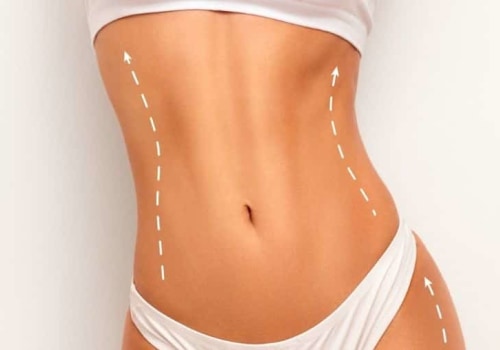
Liposuction is a widely sought-after cosmetic procedure designed to remove stubborn pockets of fat that are resistant to diet and exercise. This surgical technique is not intended for weight loss but rather for body contouring, allowing individuals to achieve a more sculpted appearance. By targeting specific areas such as the abdomen, thighs, buttocks, and arms, liposuction can enhance the natural shape of the body, providing a more balanced and aesthetically pleasing silhouette.The liposuction procedure involves the use of a thin tube called a cannula, which is inserted through small incisions in the skin. The surgeon then uses this cannula to suction out excess fat from the targeted areas.
Depending on the patient's needs and the surgeon's expertise, various techniques can be employed, including tumescent liposuction, ultrasound-assisted liposuction (UAL), and laser-assisted liposuction (LAL). Each method has its unique advantages and is chosen based on factors such as the amount of fat to be removed and the desired results.Understanding how Depending on the patient's needs and the surgeon's expertise, various techniques can be employed, including tumescent liposuction, ultrasound-assisted liposuction (UAL), and laser-assisted liposuction (LAL). Each method has its unique advantages and is chosen based on factors such as the amount of fat to be removed and the desired results.Understanding how liposuction works is essential for anyone considering this procedure. The process begins with a thorough consultation where the surgeon evaluates the patient's health, discusses their goals, and determines if they are a suitable candidate for liposuction. Once approved, patients are given specific pre-operative instructions to prepare for surgery.
During the operation, local or general anaesthesia is administered to ensure comfort. After the fat removal is complete, patients are monitored in a recovery area before being discharged with post-operative care guidelines.In summary, liposuction offers individuals an opportunity to reshape their bodies by eliminating localized fat deposits. With various techniques available and a focus on enhancing natural contours, it is crucial for prospective patients to have a clear understanding of what liposuction entails before proceeding with surgery.
Immediate Post-Operative Expectations
Undergoing liposuction is a significant step towards achieving your desired body shape, but it is essential to understand what to expect immediately after the procedure. The initial recovery phase can be a mix of excitement and discomfort, as your body begins to heal from the surgical intervention.One of the most common immediate effects following liposuction is swelling.This is a natural response as your body reacts to the trauma of surgery. Swelling can vary in intensity depending on the extent of the procedure and individual healing responses. Typically, you may notice that the treated areas appear larger than expected right after surgery due to this swelling.In addition to swelling, bruising is another frequent occurrence. Bruising can develop around the incision sites and in surrounding areas where fat was removed.
This discolouration is usually temporary and will fade over time, but it can be alarming for some patients initially.Patients often experience varying degrees of discomfort , which may include soreness or a feeling of tightness in the treated areas. Your surgeon will likely prescribe pain relief medication to help manage any discomfort during the early days of recovery. It’s crucial to follow your surgeon's instructions regarding medication and not to exceed recommended dosages.
Post-operative care
plays a vital role in ensuring a smooth recovery process. Here are some key points to consider:
- Compression Garments: Wearing a compression garment as advised by your surgeon is essential.
This garment helps reduce swelling and supports your new contours.
- Activity Level: While it’s important to start moving gently soon after surgery to promote circulation, avoid strenuous activities or heavy lifting for at least a few weeks.
- Hydration and Nutrition: Staying hydrated and maintaining a balanced diet can aid in your recovery. Focus on nutrient-rich foods that support healing.
- Follow-Up Appointments: Attend all scheduled follow-up visits with your surgeon. These appointments are crucial for monitoring your healing progress and addressing any concerns.
Physical Changes After Liposuction
Undergoing liposuction can lead to significant physical transformations, enhancing your body contour and overall appearance.However, it is essential to understand that the results are not instantaneous and can vary widely among individuals.One of the most noticeable changes after liposuction is the improvement in body shape. Patients often report a more defined waistline, flatter abdomen, and enhanced curves in areas such as the hips and thighs. These changes occur because liposuction effectively removes localized fat deposits that are resistant to diet and exercise, allowing for a more sculpted silhouette.
Timeline for Visible Results
Immediately following the procedure, patients may experience swelling and bruising, which can obscure the final results. This is a normal part of the healing process.
Typically, swelling begins to subside within the first week, but it can take several weeks for the body to adjust fully. Most patients start to see noticeable changes in their body contour around one month post-surgery, as swelling diminishes and the skin begins to tighten.It is important to note that while some results may be visible shortly after surgery, the final outcome can take up to six months or even a year to fully manifest. This extended timeline is due to residual swelling and the natural healing process of the body. During this period, skin elasticity plays a crucial role; patients with good skin tone may experience better tightening effects post-liposuction.
Skin Tightness and Elasticity
The degree of skin tightness after liposuction varies from person to person.
Factors such as age, genetics, and skin quality significantly influence how well the skin conforms to its new contours. Younger individuals typically have more elastic skin, which can adapt better after fat removal. In contrast, older patients or those with less elastic skin may notice some laxity even after the procedure.In some cases, additional treatments such as skin tightening proceduresskin tightening procedures may be recommended to enhance results further. These can include non-invasive options like radiofrequency therapy or more invasive procedures like a tummy tuck if significant excess skin is present.
Before and After Comparisons
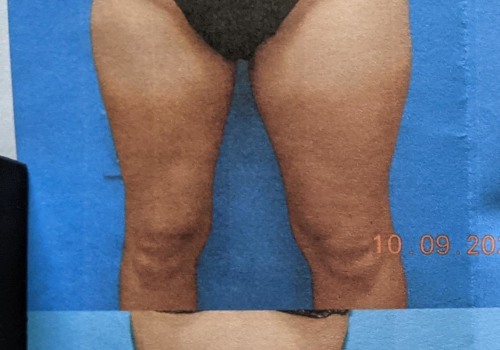
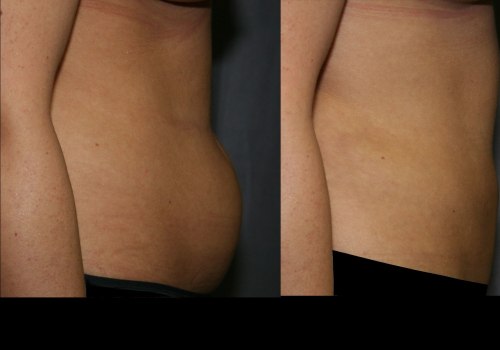
Many patients find it helpful to look at before and after photos of previous liposuction patients.
These images can provide realistic expectations regarding what changes are possible. However, it is crucial to remember that each individual's results will differ based on their unique body composition and surgical technique used.In summary, while liposuction can lead to remarkable physical changes, understanding the timeline for these transformations and factors affecting skin tightness is vital for setting realistic expectations. Consulting with your surgeon about what you can anticipate post-procedure will help you navigate your recovery journey effectively.
Managing Discomfort and Recovery
Undergoing liposuction can be a transformative experience, but it is essential to prepare for the recovery phase, which may involve some discomfort. Understanding how to manage this discomfort effectively can significantly enhance your recovery process.Pain Management Options
- Prescription Medications: After your procedure, your surgeon will likely prescribe pain relief medications.
These can help alleviate any discomfort you may experience in the initial days following surgery. It is crucial to take these medications as directed and not to exceed the recommended dosage.
- Over-the-Counter Pain Relievers: If your discomfort is mild, over-the-counter options such as ibuprofen or paracetamol may be sufficient. Always consult with your surgeon before combining these with prescribed medications.
- Cold Compresses: Applying cold compresses to the treated areas can help reduce swelling and numb the pain. Ensure that you wrap ice packs in a cloth to avoid direct contact with the skin, which can cause frostbite.
Lifestyle Adjustments for Recovery
- Rest and Relaxation: Allowing your body ample time to rest is vital for healing.
Avoid strenuous activities and heavy lifting for at least a few weeks post-surgery. Listen to your body and take breaks as needed.
- Compression Garments: Wearing a compression garment as advised by your surgeon can help manage swelling and provide support to the treated areas. This garment should be worn consistently for the duration recommended by your healthcare provider.
- Hydration and Nutrition: Staying hydrated and maintaining a balanced diet rich in vitamins and minerals can aid in recovery. Foods high in protein can help repair tissues, while fruits and vegetables provide essential nutrients that support healing.
Monitoring Your Symptoms
It is important to keep an eye on your symptoms during recovery.
While some discomfort is expected, you should contact your surgeon if you experience severe pain, excessive swelling, or signs of infection such as fever or unusual discharge from the incision sites. Early intervention can prevent complications and ensure a smoother recovery.By following these pain management strategies and lifestyle adjustments, you can facilitate a more comfortable recovery after liposuction. Remember that every individual's experience is unique, so it’s essential to communicate openly with your healthcare team about any concerns you may have during this period.
Long-Term Results and Maintenance
After undergoing liposuction, many patients are eager to see the long-term results of their procedure. While the initial changes can be quite noticeable, it is essential to understand that achieving and maintaining these results requires ongoing commitment and lifestyle adjustments.Understanding Long-Term Results
The long-term results of liposuction can be incredibly rewarding, as patients often enjoy a more sculpted and contoured physique.
However, it is crucial to have realistic expectations. The final outcome may take several months to fully manifest, as residual swelling can linger for some time. Typically, most patients will see their optimal results around six months to a year post-surgery.It is important to note that while liposuction effectively removes fat cells from targeted areas, it does not prevent future weight gain. If a patient does not maintain a healthy lifestyle, there is a risk that remaining fat cells can expand or new fat deposits can form in other areas of the body.
Maintaining Your Liposuction Results
To preserve the benefits of liposuction, adopting a balanced diet and regular exercise routine is essential.
Here are some strategies to help maintain your new body shape:
- Healthy Eating: Focus on a diet rich in whole foods, including fruits, vegetables, lean proteins, and whole grains. Avoid processed foods high in sugar and unhealthy fats.
- Regular Exercise: Incorporate both cardiovascular and strength training exercises into your weekly routine. Aim for at least 150 minutes of moderate aerobic activity or 75 minutes of vigorous activity each week.
- Stay Hydrated: Drinking plenty of water helps maintain skin elasticity and overall health.
- Avoid Yo-Yo Dieting: Fluctuating weight can lead to skin laxity and diminish the results of your liposuction.
Lifestyle Adjustments
In addition to diet and exercise, consider other lifestyle factors that can impact your long-term results:
- Regular Check-Ups: Schedule follow-up appointments with your surgeon to monitor your progress and address any concerns.
- Mental Well-Being: Emotional health plays a significant role in maintaining physical health. Engage in activities that promote mental wellness, such as yoga or meditation.
- Avoid Smoking: Smoking can hinder healing and negatively affect skin quality, so it’s advisable to quit or avoid tobacco products.
Who is an Ideal Candidate for Liposuction?
Determining whether liposuction is the right choice for you involves understanding the characteristics of ideal candidates.While liposuction can be a transformative procedure, it is not suitable for everyone. Here are some key factors to consider when evaluating candidacy for liposuction:
- Proximity to Ideal Weight: The most suitable candidates are typically those who are at or near their ideal body weight. Liposuction is designed to target specific areas of stubborn fat that do not respond to diet and exercise, rather than serving as a primary weight loss solution.
- Localized Fat Deposits: Ideal candidates often have localized pockets of fat that are resistant to traditional weight loss methods. These areas may include the abdomen, thighs, hips, arms, or neck.
Liposuction can effectively sculpt these regions, enhancing overall body contours.
- Good Overall Health: Candidates should be in good physical health and free from any medical conditions that could complicate surgery or recovery. A thorough pre-operative assessment by a qualified surgeon is essential to ensure safety during the procedure.
- Realistic Expectations: It is crucial for candidates to have realistic expectations regarding the outcomes of liposuction. While many experience significant improvements in body shape, it is important to understand that results can vary and that liposuction is not a substitute for a healthy lifestyle.
- Stable Weight: Candidates should ideally have maintained a stable weight for at least six months prior to the procedure. Significant fluctuations in weight can affect the results of liposuction and may lead to complications during recovery.
Individuals considering liposuction should be mentally prepared for the changes that come with the procedure and should approach it as part of a broader commitment to health and wellness.If you believe you meet these criteria, it is advisable to consult with a board-certified cosmetic surgeon. They can provide personalized guidance based on your unique circumstances and help you determine if liposuction aligns with your aesthetic goals.Individuals considering liposuction should be mentally prepared for the changes that come with the procedure and should approach it as part of a broader commitment to health and wellness.If you believe you meet these criteria, it is advisable to consult with a board-certified cosmetic surgeon. They can provide personalized guidance based on your unique circumstances and help you determine if liposuction aligns with your aesthetic goals.
Common Myths About Liposuction
Liposuction is often surrounded by a cloud of myths and misconceptions that can lead to confusion for those considering the procedure. Understanding the facts versus the myths is crucial for making informed decisions about your body and health. Here, we will debunk some of the most common myths associated with liposuction.- Myth 1: Liposuction is a Weight Loss Solution
Many people believe that liposuction is a quick fix for weight loss.In reality, liposuction is not designed for significant weight reduction. It targets specific areas of stubborn fat that are resistant to diet and exercise, helping to sculpt and contour the body rather than serve as a primary method for losing weight.
- Myth 2: Liposuction Removes Cellulite
Another common misconception is that liposuction can eliminate cellulite. While it may improve the appearance of certain areas, it does not specifically target cellulite. Cellulite is caused by factors such as genetics, skin structure, and fat distribution, which liposuction does not address. - Myth 3: Liposuction is a Simple Procedure with No Risks
Some individuals underestimate the complexity of liposuction, believing it to be a straightforward procedure with minimal risks.However, like any surgical intervention, liposuction carries potential risks and complications, including infection, scarring, and uneven results. It’s essential to consult with a qualified surgeon to understand these risks fully.
- Myth 4: You Can Eat Whatever You Want After Liposuction
Post-operative care is vital for achieving optimal results after liposuction. Many assume they can return to unhealthy eating habits once the procedure is complete. In truth, maintaining a balanced diet and regular exercise is crucial for sustaining the results of liposuction and preventing new fat deposits from forming. - Myth 5: Liposuction Provides Instant Results
While some immediate changes may be visible after surgery, it can take several months for the final results to manifest fully.Swelling and bruising are common post-operative effects that can obscure the true outcome initially. Patience is key as your body heals and adjusts.
Frequently Asked Questions (FAQs)
When considering liposuction, many individuals have questions that can help them make informed decisions about the procedure. Below are some of the most frequently asked questions regarding liposuction, along with detailed answers to address common concerns.What is liposuction?
Liposuction is a cosmetic surgical procedure designed to remove excess fat from specific areas of the body.It is particularly effective for targeting stubborn fat deposits that do not respond to diet and exercise. Common areas treated include the abdomen, thighs, buttocks, arms, and neck.
Who is a suitable candidate for liposuction?
Ideal candidates for liposuction are individuals who are at or near their target weight but struggle with localized fat deposits. Candidates should be in good overall health, have realistic expectations about the outcomes, and understand that liposuction is not a weight-loss solution.What can I expect during the recovery period?
Recovery from liposuction varies by individual and the extent of the procedure. Generally, patients can expect some swelling, bruising, and discomfort in the treated areas.Most people return to light activities within a few days but should avoid strenuous exercise for several weeks. Wearing a compression garment as advised by your surgeon can aid in recovery.
How long do the results last?
The results of liposuction can be long-lasting, provided that patients maintain a stable weight through a healthy lifestyle. However, significant weight gain after the procedure can affect the results, as remaining fat cells may enlarge.Are there any risks associated with liposuction?
As with any surgical procedure, there are risks involved with liposuction. Potential complications include infection, scarring, fluid accumulation, and changes in skin sensation.It is crucial to discuss these risks with your surgeon during the consultation.
Will I have visible scars after liposuction?
Liposuction incisions are typically small and strategically placed to minimize visible scarring. While some scarring may occur, it usually fades over time and becomes less noticeable.If you have further questions or concerns about liposuction, it is advisable to consult with a qualified cosmetic surgeon who can provide personalized information based on your unique situation.Conclusion: Embracing Your New Body After Liposuction
As we conclude our exploration of what to expect after liposuction, it is essential to reflect on the transformative journey that many individuals embark upon. Liposuction is not merely a cosmetic procedure; it represents a significant step towards achieving a body that aligns more closely with one’s personal ideals and aspirations.Throughout this article, we have discussed the various aspects of the liposuction experience, from the initial consultation to the post-operative recovery phase. It is crucial to remember that while liposuction can yield remarkable results, these outcomes are highly individualised.Each patient’s body responds differently to the procedure, and factors such as skin elasticity, overall health, and lifestyle choices play a pivotal role in determining the final results.
Embracing Your New Body
After undergoing liposuction, many patients find themselves in a position of newfound confidence and self-acceptance. This is an opportunity to embrace your new body and appreciate the changes that have been made. However, it is equally important to maintain realistic expectations regarding what liposuction can achieve. While the procedure can effectively remove stubborn fat deposits, it is not a substitute for a healthy lifestyle or a guaranteed solution for weight loss.To fully enjoy the benefits of your liposuction results, consider the following:
- Maintain a Healthy Lifestyle: Incorporating regular exercise and a balanced diet into your routine will help sustain your results and promote overall well-being.
- Be Patient: Understand that it may take several months for your body to fully heal and for the final results to become apparent.
Patience is key during this period.
- Stay Positive: Focus on the positive changes in your body and how they make you feel. Celebrate your progress and acknowledge your journey.