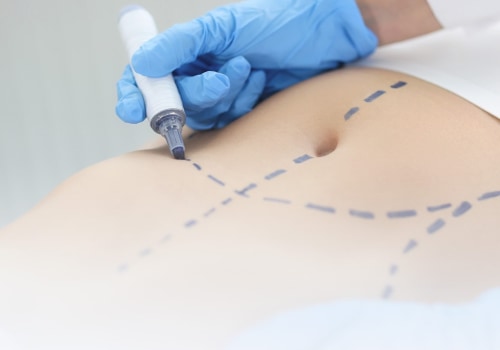
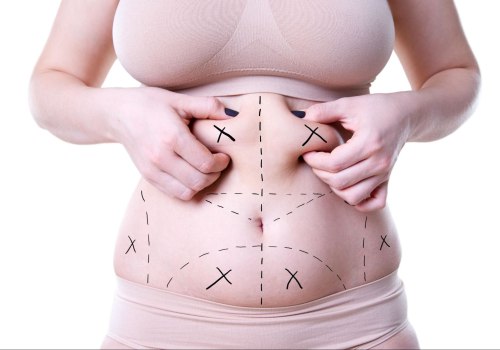
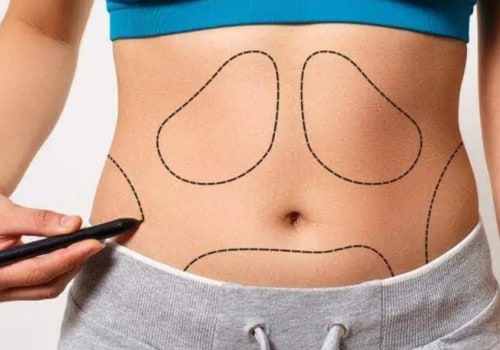
Liposuction, often referred to as lipo, is a cosmetic surgical procedure designed to remove excess fat deposits from specific areas of the body. This technique has gained immense popularity over the years, becoming one of the most sought-after procedures in the realm of aesthetic surgery. The primary aim of liposuction is to sculpt and enhance body contours, providing individuals with a more toned and defined appearance. It is particularly effective for those who struggle with stubborn fat that does not respond to diet and exercise, making it an appealing option for many.The rise in liposuction's popularity can be attributed to several factors.
Firstly, advancements in surgical techniques and technology have made the procedure safer and more efficient than ever before. Modern liposuction methods, such as tumescent liposuction and ultrasound-assisted liposuction, allow for more precise fat removal with minimal trauma to surrounding tissues. Additionally, the increasing societal emphasis on physical appearance and body image has led many individuals to seek out cosmetic enhancements as a means of boosting self-esteem and confidence.Moreover, the accessibility of information regarding liposuction through various media channels has empowered potential patients to make informed decisions about their bodies. With numerous success stories and before-and-after images circulating online, many are inspired to consider this transformative procedure. Firstly, advancements in surgical techniques and technology have made the procedure safer and more efficient than ever before. Modern liposuction methods, such as tumescent liposuction and ultrasound-assisted liposuction, allow for more precise fat removal with minimal trauma to surrounding tissues. Additionally, the increasing societal emphasis on physical appearance and body image has led many individuals to seek out cosmetic enhancements as a means of boosting self-esteem and confidence.Moreover, the accessibility of information regarding liposuction through various media channels has empowered potential patients to make informed decisions about their bodies. With numerous success stories and before-and-after images circulating online, many are inspired to consider this transformative procedure.
However, while liposuction can yield impressive results, it is essential for individuals to understand that it is not a weight-loss solution but rather a body contouring technique that works best for those who are already at or near their ideal weight.As we delve deeper into the long-term effects of liposuction, it becomes crucial to explore not only the immediate outcomes but also what patients can expect years after undergoing this popular procedure. Understanding these aspects will help individuals make informed choices about their cosmetic journey and maintain the results achieved through liposuction.
What Happens During a Liposuction Procedure?
Liposuction is a popular cosmetic procedure designed to remove stubborn fat deposits from various areas of the body. Understanding the liposuction procedure is essential for anyone considering this treatment, as it helps set realistic expectations and prepares patients for what lies ahead.There are several types of liposuction techniques, each with its unique approach and benefits:- Tumescent Liposuction: This is the most common technique, where a saline solution mixed with local anaesthetic and epinephrine is injected into the targeted area. This solution helps to numb the area, reduce bleeding, and make fat removal easier.
- Ultrasound-Assisted Liposuction (UAL): This method uses ultrasound waves to liquefy fat cells before they are suctioned out. This method uses ultrasound waves to liquefy fat cells before they are suctioned out.
It is particularly effective for fibrous areas of the body, such as the back or male breast tissue.
- Laser-Assisted Liposuction (LAL): Similar to UAL, this technique employs laser energy to melt fat cells. The advantage of LAL is that it can also stimulate collagen production, potentially improving skin elasticity post-procedure.
- Suction-Assisted Liposuction (SAL): This traditional method involves using a vacuum-like device to remove fat through small incisions. It is effective but may require longer recovery times compared to other techniques.
A thin tube called a cannula is then inserted through these incisions to break up and suction out the fat. The duration of the procedure can vary based on the amount of fat being removed and the specific technique used.After the fat removal process is complete, incisions are closed with sutures or adhesive strips. Patients are typically monitored for a short period before being discharged to recover at home. It's important to follow post-operative care instructions carefully to ensure optimal healing and results.In summary, understanding how liposuction works and what to expect during the procedure can significantly enhance a patient's experience and satisfaction with their results.
Immediate Post-Operative Effects of Liposuction
Undergoing liposuction is a significant decision, and understanding the immediate post-operative effects is crucial for anyone considering this procedure.After the surgery, patients can expect a range of physical changes as their bodies begin to heal.
Swelling and Bruising
One of the most common immediate effects following liposuction is swelling. This occurs as the body responds to the trauma of surgery. Swelling can vary in intensity depending on the extent of the procedure and individual healing responses. Typically, swelling peaks within the first few days and gradually subsides over several weeks.It is essential for patients to be patient during this phase, as the final results may not be visible until the swelling has fully resolved.
Bruising
is another frequent occurrence after liposuction. The surgical process involves making incisions and manipulating tissues, which can lead to bruising in the treated areas. Like swelling, bruising will fade over time, usually within two to three weeks post-surgery. Patients are encouraged to avoid strenuous activities during this period to facilitate healing.
Recovery Time
The recovery time after liposuction varies from person to person but generally involves a few key stages:- Initial Recovery (1-2 Weeks): Most patients can return to light activities within a week, but it’s advisable to avoid heavy lifting or vigorous exercise for at least two weeks.
- Moderate Activity (2-4 Weeks): After two weeks, many individuals feel comfortable resuming more normal activities, although some swelling may still be present.
- Full Recovery (6-12 Weeks): Complete healing can take several months, with final results becoming apparent as swelling continues to diminish.
This may include wearing compression garments to help reduce swelling and support the healing process. Staying hydrated and maintaining a balanced diet can also aid in recovery.In summary, while the immediate post-operative effects of liposuction can include swelling, bruising, and a defined recovery timeline, understanding these aspects can help set realistic expectations for patients. By being informed and prepared, individuals can navigate their recovery more effectively and appreciate the long-term benefits of their procedure.
Long-Term Physical Changes After Liposuction
After undergoing liposuction, many patients are eager to see the immediate results of their procedure. However, understanding the long-term physical changes that can occur is crucial for setting realistic expectations.While liposuction effectively removes fat cells from targeted areas, it is essential to recognise that the body continues to change over time due to various factors.One of the most significant long-term effects of liposuction is the potential for body shape stability. Many patients find that their new contours remain consistent for years, provided they maintain a healthy lifestyle. This includes adhering to a balanced diet and engaging in regular physical activity. The removal of fat cells means that there are fewer cells available to expand if weight is gained, which can help preserve the results achieved through surgery.However, it is important to note that while liposuction can sculpt the body, it does not prevent future weight gain.
If a patient does gain weight after the procedure, the remaining fat cells can still enlarge, leading to an uneven distribution of fat. This can result in a less desirable appearance, particularly in areas that were not treated during the surgery. Therefore, maintaining a stable weight is vital for ensuring long-lasting results.Moreover, as individuals age, natural changes in skin elasticity and muscle tone can also affect the outcomes of liposuction. Over time, skin may lose its firmness and begin to sag, which can alter the smooth contours achieved post-surgery.
This process varies from person to person and is influenced by genetics, lifestyle choices, and overall health.To mitigate these effects and prolong the benefits of liposuction, patients should consider adopting a comprehensive approach to their health:
- Nutrition: Focus on a diet rich in whole foods, including fruits, vegetables, lean proteins, and healthy fats. Avoiding processed foods and excessive sugar can help maintain weight.
- Exercise: Regular physical activity not only helps control weight but also improves muscle tone and skin elasticity. Aim for a mix of cardiovascular exercises and strength training.
- Hydration: Staying well-hydrated supports skin health and overall bodily functions.
- Aging gracefully: Consider skincare routines or treatments that promote skin elasticity as you age.
The Role of Lifestyle in Maintaining Liposuction Results
After undergoing liposuction, many patients are eager to maintain their newly sculpted physique.However, achieving long-lasting results requires a commitment to a healthy lifestyle. The choices you make regarding your diet and exercise can significantly influence the sustainability of your liposuction outcomes.
Dietary Changes Post-Liposuction
- Balanced Nutrition: Focus on a well-rounded diet rich in fruits, vegetables, whole grains, lean proteins, and healthy fats. This not only supports overall health but also helps in maintaining your weight.
- Portion Control: After liposuction, it’s crucial to be mindful of portion sizes. Eating smaller, more frequent meals can help regulate hunger and prevent overeating.
- Hydration: Staying hydrated is essential for metabolic processes and can aid in weight management.
Aim for at least eight glasses of water a day.
- Avoid Processed Foods: Minimise the intake of sugary snacks, fast food, and processed items that can lead to weight gain and negatively impact your health.
The Importance of Regular Exercise
- Establish a Routine: Incorporate both cardiovascular and strength training exercises into your weekly routine. Aim for at least 150 minutes of moderate aerobic activity or 75 minutes of vigorous activity each week.
- Strength Training: Building muscle through resistance training can boost your metabolism and help maintain your body shape post-liposuction.
- Flexibility and Balance: Activities such as yoga or Pilates can improve flexibility and core strength, contributing to overall body tone.
Maintaining Weight After Liposuction
To ensure the longevity of your liposuction results, it’s vital to monitor your weight regularly. Consider these strategies:
- Set Realistic Goals: Aim for gradual weight loss or maintenance rather than drastic changes. This approach is more sustainable in the long run.
- Keep a Food Diary: Tracking what you eat can help identify patterns and areas for improvement in your diet.
- Seek Support: Joining a support group or working with a nutritionist can provide motivation and accountability as you navigate your post-liposuction lifestyle.
By making conscious dietary choices and committing to regular physical activity, you can enjoy the benefits of your procedure for years to come.
Psychological Effects of Liposuction Over Time
Undergoing liposuction can lead to significant changes not only in physical appearance but also in psychological well-being. Many patients report a boost in self-esteem and confidence following the procedure, as they often feel more satisfied with their body shape. However, it is crucial to understand that the psychological effects of liposuction can vary widely among individuals and may evolve over time.One of the most common psychological impacts post-liposuction is the enhancement of body image. Patients frequently experience a newfound appreciation for their bodies, which can lead to improved mental health.This positive shift can encourage individuals to engage in healthier lifestyle choices, such as regular exercise and balanced nutrition, further reinforcing their self-image.However, it is essential to acknowledge that not all experiences are positive. Some patients may develop unrealistic expectations about their bodies after the procedure. The desire for perfection can lead to dissatisfaction if the results do not meet these expectations. This phenomenon, often referred to as body dysmorphic disorder, can result in anxiety and depression, highlighting the importance of setting realistic goals before undergoing surgery.
Long-Term Mental Health Considerations
The long-term mental health effects of liposuction can be influenced by various factors, including pre-existing psychological conditions and support systems.Patients with a history of anxiety or depression may find that these issues are exacerbated after surgery if they do not receive adequate support during their recovery.Moreover, the social environment plays a significant role in shaping a patient’s post-operative experience. Support from family and friends can enhance feelings of acceptance and validation, while negative comments or comparisons can lead to feelings of inadequacy. It is vital for patients to surround themselves with positive influences and seek professional help if they struggle with their mental health after the procedure.In conclusion, while liposuction can provide a boost in self-esteem and improve body image for many individuals, it is essential to approach the procedure with realistic expectations and an understanding of its potential psychological impacts. Engaging in open discussions with healthcare providers about mental health before and after surgery can help ensure a more positive overall experience.
Potential Risks and Complications in the Long Run
While liposuction can yield significant aesthetic improvements, it is essential to be aware of the potential risks and complications that may arise in the long term.Understanding these factors is crucial for anyone considering this procedure, as they can impact both physical health and emotional well-being.
1.Changes in Skin Elasticity
One of the most common long-term concerns following liposuction is the change in skin elasticity. As we age, our skin naturally loses its firmness and elasticity, which can be exacerbated by the removal of fat cells. This may lead to sagging or loose skin in the treated areas, particularly if a significant amount of fat was removed. Patients should consider this when planning their procedure, as additional treatments such as skin tightening may be necessary to achieve desired results.
2.Fat Redistribution
Another potential risk is fat redistribution.
Although liposuction removes fat cells from specific areas, it does not prevent new fat from accumulating in other parts of the body if weight is gained post-surgery. This can lead to an uneven appearance, where some areas remain slim while others become fuller. Maintaining a stable weight through a balanced diet and regular exercise is vital to mitigate this risk.
3.Scarring
Scarring is an inevitable consequence of any surgical procedure, including liposuction. While most scars fade over time, some individuals may experience more pronounced scarring due to their skin type or healing process.
It is essential to follow post-operative care instructions carefully to minimise scarring and consult with your surgeon about scar management options.
4.Psychological Impact
The psychological effects of undergoing liposuction can also be significant. Some patients may experience unrealistic expectations regarding their body image post-surgery, leading to dissatisfaction or body dysmorphic disorder. It is crucial for patients to engage in thorough discussions with their surgeon about realistic outcomes and to consider psychological support if needed.
5.Long-Term Health Risks
In rare cases, long-term health risks associated with liposuction can include complications such as blood clots or infections that may arise from the surgical procedure itself. These risks can manifest years later and should not be overlooked.
Regular check-ups with healthcare providers can help monitor any potential issues that may develop over time.In conclusion, while liposuction can provide lasting benefits, it is essential for prospective patients to be fully informed about the long-term risks and complications associated with the procedure. By understanding these factors and maintaining a healthy lifestyle, individuals can make more informed decisions regarding their cosmetic surgery options.
Comparing Liposuction with Other Body Contouring Procedures
When considering body contouring options, it is essential to understand how liposuction compares to other procedures available. Each method has its unique benefits and limitations, making it crucial for individuals to evaluate their specific needs and goals.Liposuction vs. Non-Surgical Alternatives
Non-surgical body contouring options, such as CoolSculpting and Ultrasound Cavitation , have gained popularity in recent years.These methods use advanced technology to target fat cells without invasive surgery. For instance, CoolSculpting freezes fat cells, which are then naturally eliminated by the body over time. While these procedures can be effective for small areas of stubborn fat, they typically require multiple sessions and may not yield the dramatic results that liposuction can achieve.
Liposuction vs. Tummy Tuck
A tummy tucktummy tuck , or abdominoplasty, is another popular option for those looking to enhance their body shape.Unlike liposuction, which primarily removes fat, a tummy tuck involves the removal of excess skin and tightening of abdominal muscles. This procedure is ideal for individuals who have experienced significant weight loss or pregnancy-related changes that have left them with loose skin. However, it is more invasive than liposuction and requires a longer recovery period.
Liposuction vs. Body Lift
A body lift is a comprehensive procedure that addresses sagging skin in multiple areas of the body, often following significant weight loss.This procedure combines elements of both liposuction and tummy tuck techniques to reshape the body effectively. While a body lift can provide extensive results, it is also more invasive and requires a longer recovery time compared to liposuction.
Choosing the Right Procedure
The choice between liposuction and other body contouring options ultimately depends on individual goals, the amount of fat to be removed, skin elasticity, and personal health considerations. Consulting with a qualified plastic surgeon can help clarify which procedure aligns best with your desired outcomes.In summary, while liposuction remains a popular choice for targeted fat removal, alternatives such as non-surgical methods, tummy tucks, and body lifts offer different benefits that may suit various needs. Understanding these differences is vital for making an informed decision about your body contouring journey.Frequently Asked Questions About Long-Term Effects of Liposuction
When considering liposuction, many individuals have questions about the long-term effects of the procedure.Below are some of the most frequently asked questions that can help clarify what to expect in the years following your surgery.
1.Will I need additional procedures after liposuction?
While many patients are satisfied with their results, some may find that they desire further enhancements over time. Factors such as weight fluctuations, natural ageing, and lifestyle changes can influence your body shape post-liposuction. If you maintain a stable weight and a healthy lifestyle, additional procedures may not be necessary. However, if you experience significant weight gain or loss, you might consider revisiting your surgeon for advice on potential follow-up treatments.2.How does ageing affect my liposuction results?
As we age, our skin loses elasticity and muscle tone, which can impact the appearance of areas treated with liposuction.While the fat cells removed during the procedure do not return, the remaining fat cells can expand if weight is gained. This means that even if your liposuction results were initially excellent, natural ageing processes may alter your body shape over time. To mitigate these effects, it is essential to engage in regular exercise and maintain a balanced diet.
3.Can I regain weight after liposuction?
Yes, it is possible to regain weight after liposuction. The procedure removes fat cells from specific areas; however, it does not prevent new fat from accumulating in other areas if you do not maintain a healthy lifestyle.If you gain weight after the procedure, it may not be distributed evenly across your body, potentially leading to an unbalanced appearance.
4.What are the risks of long-term complications?
While serious complications from liposuction are rare, some patients may experience long-term issues such as irregular contours or changes in skin texture. These complications can often be addressed through additional treatments or procedures. It is crucial to follow your surgeon's post-operative care instructions and attend follow-up appointments to monitor your recovery.5.How can I maintain my results long-term?
To enjoy lasting results from your liposuction, focus on maintaining a healthy lifestyle that includes:- A balanced diet: Incorporate plenty of fruits, vegetables, lean proteins, and whole grains into your meals.
- Regular exercise: Aim for at least 150 minutes of moderate aerobic activity each week combined with strength training exercises.
- Hydration: Drink plenty of water to support overall health and skin elasticity.
- Avoiding smoking: Smoking can negatively impact skin health and healing processes.
Conclusion: Embracing Change After Liposuction
In conclusion, the journey following liposuction is as significant as the procedure itself. While liposuction can effectively sculpt and enhance your body shape, the long-term success of these results hinges on your commitment to a healthy lifestyle.Throughout this article, we have explored various aspects of what to expect years after undergoing liposuction, highlighting both the potential benefits and challenges that may arise.One of the most crucial takeaways is that the results of liposuction can indeed be lasting, provided you maintain a stable weight and engage in regular physical activity. The removal of fat cells from targeted areas can lead to a more contoured appearance; however, it is essential to remember that some fat cells will remain in your body. If weight gain occurs post-procedure, these remaining fat cells can expand, potentially negating the aesthetic improvements achieved through surgery.Moreover, as time progresses, natural aging processes will affect your skin's elasticity and muscle tone. This gradual change can influence how your body looks after liposuction.
To mitigate these effects, adopting a balanced diet rich in nutrients and staying active are vital steps you can take. Regular exercise not only helps in maintaining your weight but also promotes overall well-being and enhances skin health.Ultimately, viewing liposuction as a tool for enhancement rather than a definitive solution is essential. It is an opportunity to kickstart a healthier lifestyle and embrace positive changes in your daily routine. By prioritising self-care and making informed choices about nutrition and fitness, you can enjoy the benefits of liposuction for years to come.In summary, while liposuction offers immediate results, the long-term effects depend significantly on your lifestyle choices.
Embrace this transformative journey with a commitment to health and wellness, ensuring that the changes you make today will support your desired outcomes for tomorrow.